
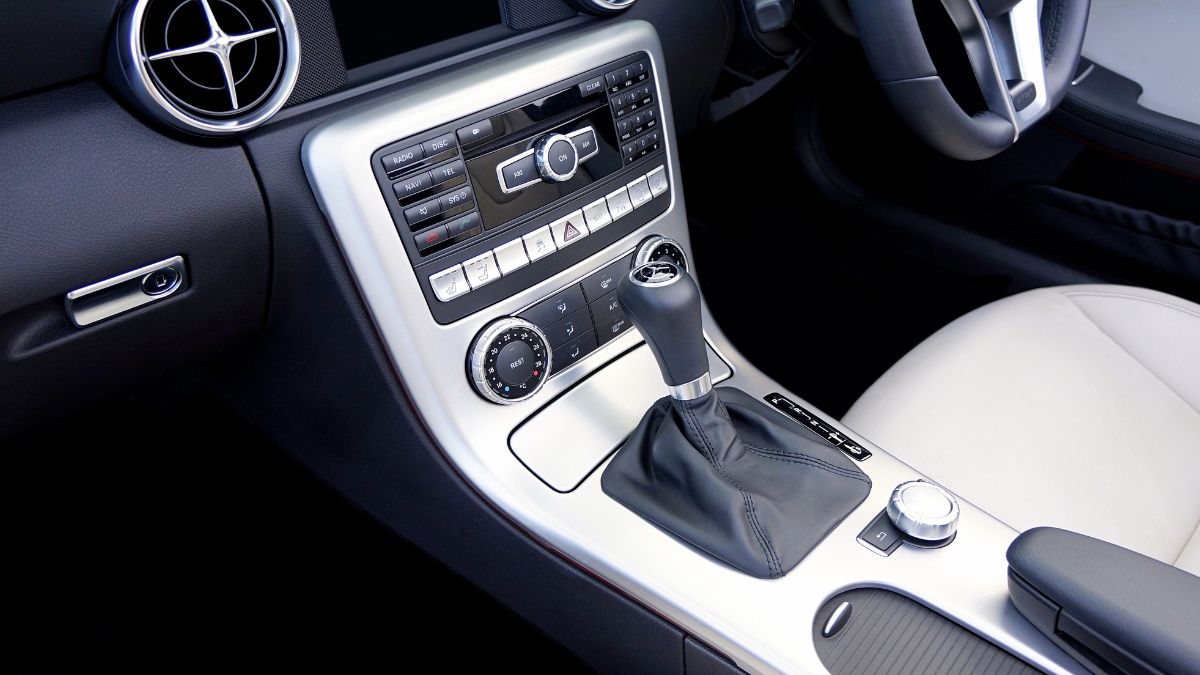
Renting a car in Marrakech is one of the easiest ways to go beyond the city, Ourika Valley day trips, Agafay desert sunsets, Ouzoud waterfalls, Essaouira beach weekends, and scenic drives toward the Atlas. But before you pick the vehicle category, you’ll face a decision that impacts comfort, cost, and availability: automatic vs manual.
In Marrakech, both can work perfectly for tourists. The “right” choice depends on your driving confidence, where you’ll drive (city only vs mountains), and how much you value convenience versus price. This guide breaks down the decision using real Marrakech conditions: traffic, hills, parking, and common tourist routes.
Table of contents
- The quick answer (who should pick what)
- Marrakech driving reality: traffic, roundabouts, scooters
- Manual in Marrakech: pros, cons, and best use cases
- Automatic in Marrakech: pros, cons, and best use cases
- Hills and day trips: Ourika, Atlas, Agafay, Ouzoud
- Parking in Marrakech: where automatic helps (and where it doesn’t)
- Cost and availability: why automatic is often pricier
- Decision checklist + FAQs
The quick answer (who should pick what)
Choose automatic if you:
- haven’t driven manual recently (or ever)
- want the simplest experience in traffic
- plan to do lots of city driving + stop-start routes
- travel with family and want less driver fatigue
Choose manual if you:
- are confident with stick shift
- want the best price options
- plan mostly highway and open-road driving
- want more availability (especially last-minute)
If you’re unsure, choose automatic for Marrakech city driving. The extra cost often pays you back in comfort, especially when you’re tired, navigating new streets, and dealing with scooters around you.
Marrakech driving reality: traffic, roundabouts, scooters
Marrakech is not “dangerous,” but it can feel intense if you’re not used to:
- dense roundabouts
- motorbikes weaving through gaps
- quick lane changes
- pedestrians crossing with confidence
- taxis stopping suddenly
This environment doesn’t require an automatic car, but it rewards simplicity. Automatics reduce the number of tasks your brain does at once: no clutch control, fewer gear decisions, smoother creeping in queues.
Tourist tip: use Google Maps for route planning and to preview your pickup/destination entrances before you drive (especially for hotels near the Medina): https://www.google.com/maps
Manual in Marrakech: pros, cons, and best use cases
Manual advantages
1) Often cheaper
Manual cars are usually the most affordable category. If your budget matters, manual gives you more choice for the same money.
2) More availability
In Marrakech, many fleets have more manual cars than automatics. That means:
- better last-minute options
- more flexibility on model and class
3) More control on open roads
On highways and mountain roads, a confident manual driver can control speed and engine braking naturally.
Manual disadvantages
1) More tiring in city traffic
Stop-start traffic + roundabouts + frequent slowing can turn a manual into work, especially if you’re navigating at the same time.
2) Hills + clutch control
Marrakech city itself is fairly flat, but parking ramps, some hotel entrances, and certain day trip roads can involve inclines.
3) If you’re rusty, it’s not the place to “re-learn”
Tourist driving fatigue is real. A rusty manual driver may stall in stressful moments (busy junctions, quick merges), which raises stress and risk.
Manual is best for you if…
- you drive manual regularly at home
- your plan is mainly: airport → hotel → day trips out of the city
- you’ll avoid heavy rush hours and do more highway kilometers
Automatic in Marrakech: pros, cons, and best use cases
Automatic advantages
1) Easier in traffic and roundabouts
You creep forward smoothly, focus on gaps, and keep both hands steady. For many tourists, that’s the biggest benefit.
2) Less fatigue
Less fatigue means better decisions. On holiday, the driver shouldn’t arrive at the riad exhausted.
3) Great for families
If you have kids, luggage, and a schedule, automatic keeps the trip calmer, especially in short hops across the city.
Automatic disadvantages
1) Often more expensive
Automatics usually carry higher daily rates in Marrakech, especially during peak seasons.
2) Limited availability
Automatics are in demand. In busy periods, you’ll need to book earlier to avoid compromises on size and price.
3) Some automatics are smaller-engine
That’s not always a problem, but if you’re doing steep mountain segments with a fully loaded car, choose an automatic that’s not underpowered.
Automatic is best for you if…
- you want “easy mode” for city + day trips
- you’re traveling with family or a group
- you haven’t driven manual in a long time
- you land late and don’t want extra stress
Hills and day trips: Ourika, Atlas, Agafay, Ouzoud
Many Marrakech day trips are straightforward by road, but your experience changes with transmission type.
Ourika Valley / Atlas foothills
You’ll have:
- gentle climbs
- frequent slowing behind slower vehicles
Automatic makes it smoother. Manual is fine if you’re confident.
Agafay Desert
Roads are mostly paved access routes, but driving can involve:
- short rough segments depending on where you go
Transmission isn’t the main factor here, ground clearance and careful driving matter more.
Ouzoud waterfalls
A longer day with mixed roads. Manual is fine, but fatigue at the end of the day is real. Automatic can feel like a comfort upgrade.
Safety note: If you’re planning mountain driving, be mindful of general Morocco road safety practices. For a broad, non-commercial reference, you can consult the UK government’s Morocco travel advice (driving context and safety considerations): https://www.gov.uk/foreign-travel-advice/morocco/safety-and-security
Parking in Marrakech: where automatic helps (and where it doesn’t)
Where automatic helps
- tight parking lots where you creep forward and reverse repeatedly
- busy streets where you need to move in small gaps
- hotel drop-off lanes where you want smooth control
Where it doesn’t matter much
If you’ll mostly park in a secure lot and walk, transmission matters less than:
- car size
- visibility
- turning radius
Local strategy: If your riad is inside the Medina, don’t plan to park at the door. Park outside and walk in—both manual and automatic become equally practical.
Cost and availability: why automatic is often pricier in Marrakech
In Marrakech, automatics are often pricier because:
- fewer automatic cars in many fleets
- high tourist demand (especially from countries where manual is uncommon)
- peak seasons tighten inventory quickly
So if you want automatic, book earlier, especially for:
- SUVs
- 7-seaters
- “automatic + large luggage” family categories
If you’re trying to optimize cost, manual often gives the best deal, just be honest about your comfort level.
Decision checklist (30 seconds)
Pick automatic if you answer “yes” to two or more:
- I haven’t driven manual in 6–12 months
- I’ll drive a lot inside Marrakech city
- I’m nervous about roundabouts and scooters
- I want the lowest-stress holiday driving
Pick manual if you answer “yes” to two or more:
- I drive manual regularly
- I want the best price
- I’ll do mostly highways / day trips outside the city
- I’m comfortable with hills and clutch control
FAQs
Is it hard to drive manual in Marrakech?
Not if you’re already confident. The main challenge is stop-start traffic and busy roundabouts, which can be tiring.
Is automatic worth the extra cost in Marrakech?
For many tourists, yes, especially if you’ll drive in the city often or you’re rusty with manual.
Do I need an automatic for hills near Marrakech?
Not necessarily. Manual works fine if you’re confident. Automatic can reduce fatigue on long day trips.
Which is easier for parking in Marrakech?
Automatic can make tight parking calmer because you can creep smoothly, but car size and visibility matter more.