
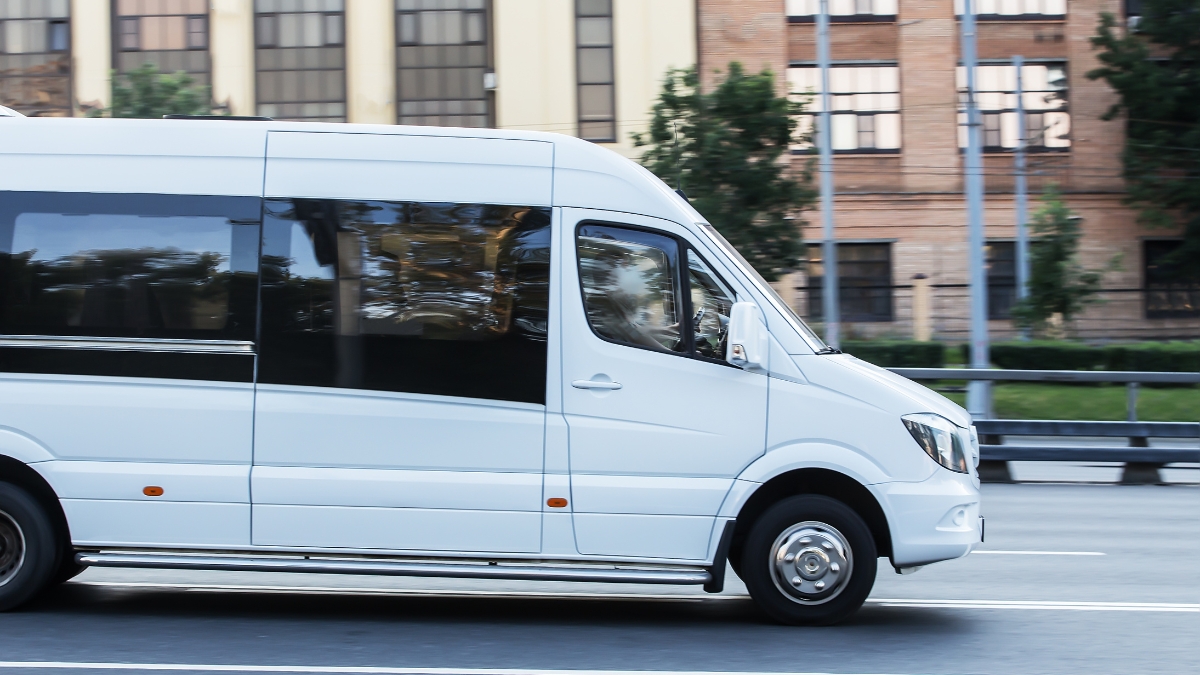
Arriving in Marrakech with a big group is exciting… and a little chaotic. People leave the plane at different speeds, baggage shows up in waves, someone needs the restroom, and suddenly your “simple pickup” becomes a crowd in the arrivals area asking, “Where’s the driver?”
The secret to a smooth arrival is to treat it like a small operation: confirm the right vehicle size, set a clear meeting plan, and share one simple instruction with everyone before you land. This guide walks you through exactly how to arrange a 15–25 seat minibus transfer from Marrakech Menara Airport (RAK) without stress.
Table of contents
- Choose the right size: 15 vs 19 vs 25 seats
- The 8 booking details you must confirm
- Marrakech airport pickup plan that actually works
- Luggage math (the #1 reason transfers go wrong)
- Timing, flight delays, and waiting time rules
- One bus vs two vehicles: which is smarter?
- Safety + comfort checklist for groups
- FAQs
Choose the right size: 15 vs 19 vs 25 seats
Seat count is only half the decision. The other half is luggage volume.
15–17 seats
Best for: 12–15 passengers with normal luggage (1 suitcase each, a few carry-ons).
Risk: if everyone has large suitcases, storage fills quickly and the aisle gets blocked.
19–20 seats
Best for: 16–19 passengers with mixed luggage.
Why it’s popular: it often gives a better comfort-to-capacity balance for airport runs.
24–25 seats
Best for: 20–25 passengers, or any group with lots of large bags.
When it’s the best value: weddings, sports teams, families with strollers, and groups arriving with shopping plans.
Practical rule: if you’re “on the edge” (like 16–18 people) and your group has big suitcases, a 25-seater often saves money overall because you avoid extra taxis, extra waiting, and suitcase reshuffling in the pickup zone.
The 8 booking details you must confirm
Before you pay anything, confirm these in one message (it prevents 90% of problems):
- Exact passenger count (adults + kids)
- Exact luggage count (big suitcases, carry-ons, strollers, sports bags)
- Flight number + landing time (so the driver can track it)
- Terminal/arrivals exit plan (where you’ll meet)
- Destination address (hotel name + map pin if possible)
- Stops (one hotel vs multiple drop-offs)
- Waiting time policy (what’s included, what costs extra)
- Vehicle details (seatbelts where applicable, A/C, and luggage capacity)
If you’re the organizer, collect this info before the trip. If you do it after landing, you’ll end up making decisions while your group is tired and distracted.
Marrakech airport pickup plan that actually works
The airport meeting is where group transfers succeed or fail. Your goal: one leader, one instruction, one meeting point.
Step-by-step pickup flow
Step 1: Pick one group leader
One person handles communication. Not five people calling at once.
Step 2: Use a “no wandering” instruction
Tell everyone: “After baggage, go straight to the meeting point and stay there.”
Step 3: Choose a specific, obvious meeting point
Agree on a clear spot near arrivals (not “outside somewhere”). If you want an official reference for the airport layout/services and where passengers typically exit, use the airport’s official ONDA page once when planning: Aéroport Marrakech – Ménara (ONDA)
Step 4: Do a headcount before walking to the vehicle
This avoids the classic problem: the bus leaves while two people are still buying SIM cards.
Pro tip for fast movement
Create a WhatsApp group called “RAK ARRIVAL” and pin this message:
- “Meet at the agreed point after baggage. Don’t leave. Leader will message when we walk to the bus.”
It keeps the group calm and prevents “mini panic.”
Luggage math: the #1 reason transfers go wrong
Groups almost always underestimate luggage. Here’s a simple way to calculate it:
- Light luggage: carry-on only or small bags
- Normal luggage: 1 suitcase each
- Heavy luggage: large suitcase each + extras (stroller, sports bag, boxes)
If you have heavy luggage, don’t book by seat count alone. A 17-seater can be perfect for 17 people… until you add 17 large suitcases, and suddenly it’s not.
Fixes that work
- Upsize the vehicle (often the simplest solution)
- Use two vehicles (example: 17-seater + 7-seater)
- Plan a luggage priority (strollers/equipment first, then suitcases)
If luggage is extreme (teams, film crews, wedding décor), two vehicles can be smoother than one large minibus because loading is faster and the group splits naturally into “bags + people.”
Timing, flight delays, and waiting time rules
Airport reality: landing time is not “exit time.” Some travelers exit in 20 minutes; others need 60+ minutes depending on baggage and personal stops.
What you should request
- Flight tracking so the driver adjusts to real landing time
- A clear included waiting window (written in the booking message)
- A delay plan (what happens if half the group is late?)
Recommended buffer (for organizers)
- Add 45–75 minutes from landing time to realistic “everyone is out” time for a large group.
- Add more if your group is unfamiliar with the airport process or traveling with kids.
A simple organizer message to the driver helps:
- “We are 12/20 out. Waiting for 8 more. ETA 15 minutes.”
That one sentence prevents misunderstandings and keeps everyone aligned.
One bus vs two vehicles: which is smarter?
Both options can be “best,” depending on your group.
One 25-seater is usually best when:
- Everyone is going to the same hotel
- Luggage is manageable
- You want maximum simplicity and one single departure
Two vehicles are usually best when:
- You have multiple hotels (different neighborhoods)
- You have heavy luggage
- Your group tends to split naturally (families, teams, mixed arrivals)
Two vehicles often save time because loading is quicker and you don’t lose 30 minutes trying to fit everything perfectly.
Safety + comfort checklist for group transfers
When you move 15–25 people, comfort matters, but safety matters more:
- Everyone has an actual seat (no “extra person” improvisation)
- A/C confirmed (Marrakech can be warm even outside summer)
- Luggage stored safely (not blocking the aisle)
- Stops agreed in advance (especially if you have kids)
- Driver knows airport pickup flow and timing
- Clear rules for seatbelts where applicable and safe passenger behavior
If you want a reputable road-safety reference to share with your group (especially for reminding people to stay seated and avoid distractions), you can point them once to Morocco’s road-safety awareness portal: Sécurité Routière (NARSA)
FAQs
How early should I book a 15–25 seat transfer in Marrakech?
For normal weeks: 1–2 weeks ahead is usually safe. For peak dates and events: 3–6+ weeks ahead is smarter, especially for 25-seaters.
What if our group arrives on two flights?
Either book two pickups or book one pickup with a written waiting window and a clear meeting plan. Don’t assume the timing will “work out.”
Do we need a 25-seater for 17 people?
Only if luggage is heavy (large suitcases, strollers, equipment). For airport transfers, luggage often decides more than seats.
Is it okay to do multiple hotel drop-offs?
Yes, but it takes longer and can increase cost. If your group is split across the city, two vehicles can be smoother.