
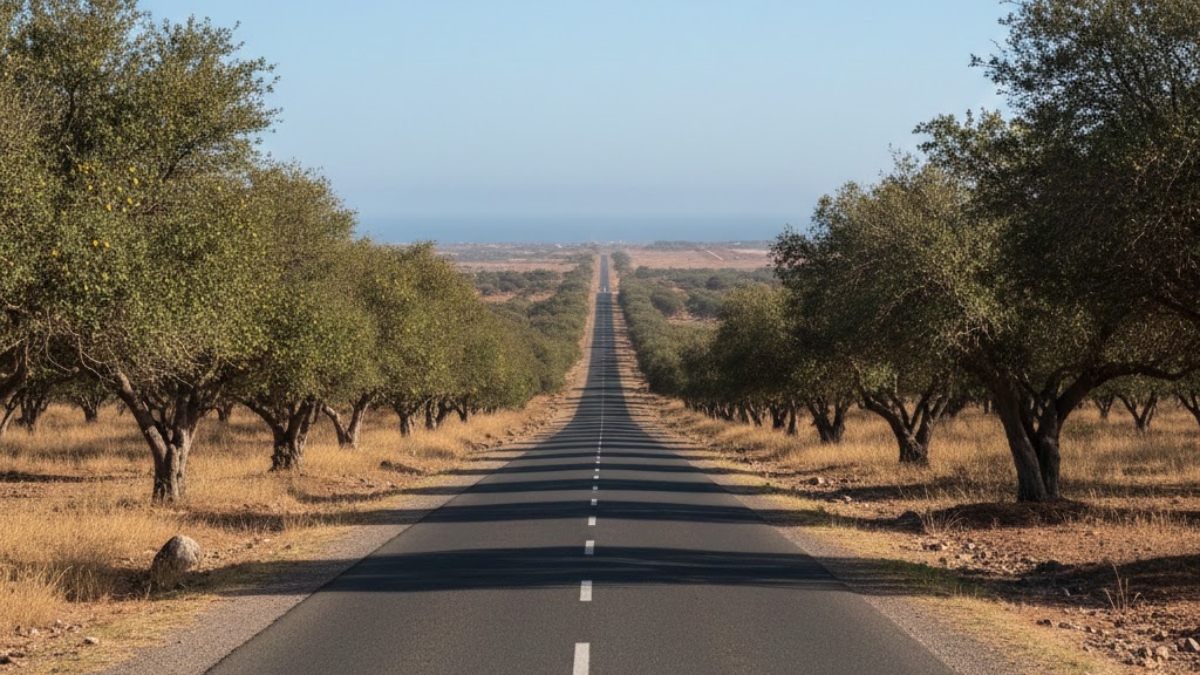
Driving from Marrakech to Essaouira is one of Morocco’s most popular road trips, and for good reason. In just a few hours, the landscape shifts from dry plains and argan groves to Atlantic breezes, coastal light, and the relaxed rhythm of Essaouira’s medina.
While the route is straightforward, many first-time drivers underestimate wind exposure, speed camera zones, and strategic stopping points. This guide covers everything you need to know to drive confidently, legally, and comfortably.
Table of Contents
- Overview of the Marrakech–Essaouira Drive
- Distance, Duration & Road Conditions
- The Best Route Explained (R207)
- Windy Sections: Where to Expect Strong Gusts
- Speed Cameras & Police Controls
- Where to Stop Along the Way (Recommended Breaks)
- Fuel, Restrooms & Practical Services
- Best Time of Day to Drive
- Driving Tips for a Smooth Trip
- Common Mistakes to Avoid
- FAQs About Driving to Essaouira
- Conclusion
Overview of the Marrakech–Essaouira Drive
The road between Marrakech and Essaouira connects Morocco’s inland red city with its breezy Atlantic port. Unlike mountain drives, this journey is flat, well-paved, and suitable for all vehicle types, making it ideal even for first-time visitors.
However, the combination of open plains, strong crosswinds, and speed enforcement means preparation matters more than navigation difficulty.
Distance, Duration & Road Conditions
- Distance: ~190 km
- Driving time (non-stop): 2h45 – 3h
- Road type: Two-lane national road (R207)
- Surface quality: Generally very good
There are no toll roads on this route, and the road is mostly straight, with gentle curves and long visibility, one reason speed control is strictly enforced.
The Best Route Explained (R207)
Marrakech → Chichaoua → Essaouira
The R207 is the main and best route. It is:
- Clearly signposted
- Widely used by locals and tourists
- Maintained year-round
You will pass through:
- Outskirts of Marrakech (urban traffic early on)
- Open agricultural plains
- Argan tree zones
- Chichaoua town (main midway point)
Real-time route planning, traffic flow, and speed alerts are commonly managed using navigation apps, and Google explains how live traffic layers, road conditions, and speed information are displayed in its official guidance:
https://support.google.com/maps/answer/144339
Windy Sections: Where to Expect Strong Gusts
Wind is the most underestimated factor on this drive.
High-Wind Zones
- After Chichaoua (westbound)
- Final 40–50 km approaching Essaouira
Why it matters:
- Strong crosswinds, especially in the afternoon
- More noticeable for SUVs, vans, and high-profile vehicles
- Can affect lane stability
Tips for Windy Sections
- Reduce speed slightly
- Keep both hands on the wheel
- Avoid sudden overtakes
- Expect gusts when passing trucks
Morning drives usually experience lighter wind than afternoons.
Speed Cameras & Police Controls
This route is well known for speed enforcement.
What to Expect
- Fixed speed cameras near towns
- Mobile radar units on straight sections
- Police checkpoints at town entrances
Typical speed limits:
- Urban zones: 40–60 km/h
- Open road: 80–100 km/h
Speed reductions are often sudden near villages, slow down even if the road looks empty.
International road safety standards and signage principles followed in Morocco align with frameworks outlined by the United Nations Economic Commission for Europe (UNECE), which detail how speed zones and enforcement signage are structured:
https://unece.org/transport/road-safety/road-signs-and-signals
Fines are usually issued on the spot if limits are exceeded.
Where to Stop Along the Way (Recommended Breaks)
1. Chichaoua (Midway Stop)
- Fuel stations
- Cafés and bakeries
- Restrooms
Ideal for a 15–20 minute break.
2. Argan Tree Areas
- Famous goats in argan trees (observe safely)
- Small roadside cooperatives
- Photo opportunities
Stop only where it’s safe, never on blind curves.
3. Final Stretch Scenic Pull-Offs
- Open landscapes
- Ocean air becomes noticeable
- Fewer services, but peaceful views
Fuel, Restrooms & Practical Services
Fuel
- Fill up in Marrakech
- Reliable stations in Chichaoua
- Few stations closer to Essaouira
Restrooms
- Best in Chichaoua cafés or fuel stations
- Limited options on open road sections
Food
- Simple Moroccan cafés
- Avoid long stops if arriving late afternoon (wind + fatigue)
Best Time of Day to Drive
Best Departure Times
- Morning: 8:00 – 10:00 AM (calmer wind, cooler)
- Late morning: 10:00 – 11:00 AM
Times to Avoid
- Late afternoon (strongest winds)
- Night driving if unfamiliar (limited lighting)
For return trips, morning departures from Essaouira are also ideal.
Driving Tips for a Smooth Trip
- Stick strictly to speed limits
- Slow down early when entering towns
- Expect wind gusts after midday
- Don’t rush overtakes
- Keep fuel above half tank after Chichaoua
- Take short breaks to stay alert
The road is easy, but monotony can reduce attention.
Common Mistakes to Avoid
- Treating the road like a highway
- Ignoring sudden speed drops near villages
- Underestimating wind strength
- Skipping fuel in Chichaoua
- Leaving Marrakech too late in the day
Most fines and issues come from overconfidence, not poor roads.
FAQs About Driving from Marrakech to Essaouira
Is the road safe for tourists?
Yes, very safe with normal precautions.
Do I need a 4×4?
No, standard cars are perfect.
Are there tolls?
No toll roads on this route.
Is it suitable for families?
Yes, with planned stops.
Are speed cameras common?
Yes, respect limits at all times.
Is night driving recommended?
Not ideal for first-timers.
Conclusion
The drive from Marrakech to Essaouira is one of Morocco’s easiest and most enjoyable road trips when approached with the right expectations. The road is smooth, signage is clear, and services are adequate, but wind exposure and speed enforcement require attention.
By choosing the right departure time, respecting speed limits, and planning a smart stop in Chichaoua, you’ll arrive relaxed and ready to enjoy Essaouira’s coastal charm. Done right, the journey is just as pleasant as the destination.