
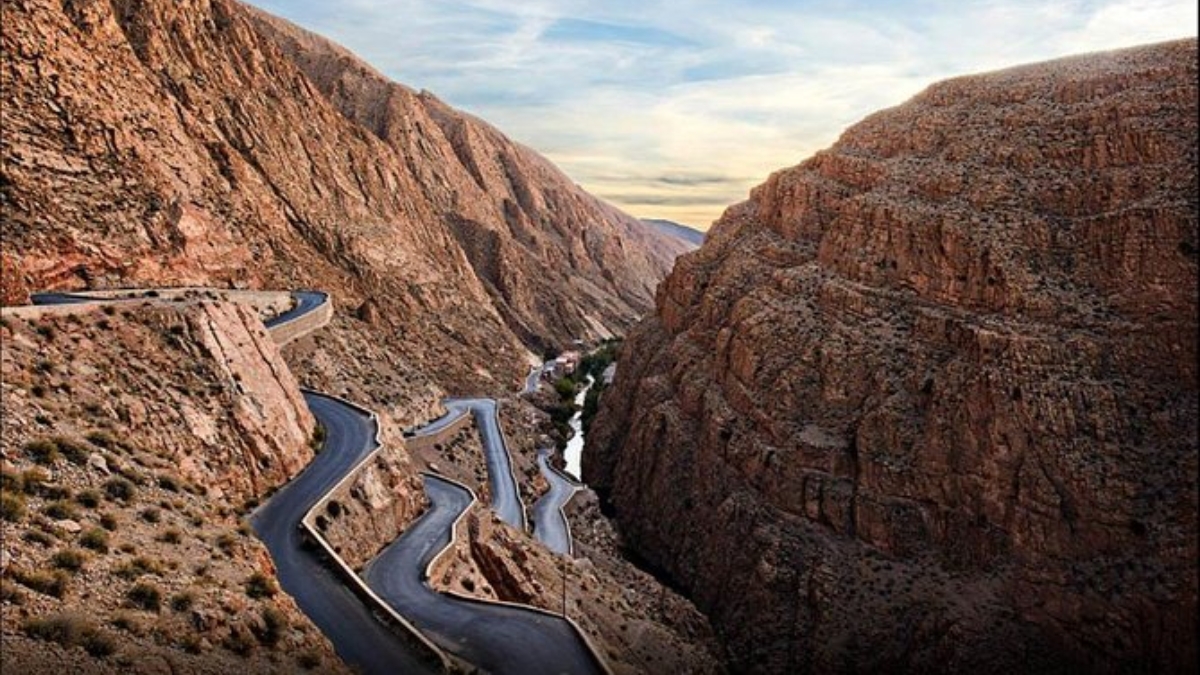
Driving from Marrakech to the Merzouga Desert is one of Morocco’s most iconic road trips. It takes you across the High Atlas Mountains, past ancient kasbahs, palm-filled valleys, and into the vast dunes of Erg Chebbi.
The biggest decision travelers face is not whether to drive, but how long to take and what type of car is actually necessary. This guide compares 2-day vs 3-day route plans, explains road conditions, and helps you choose the right vehicle without overpaying or risking damage.
Table of Contents
- Overview of the Marrakech–Merzouga Drive
- Total Distance, Duration & Road Conditions
- 2-Day Route Plan: Fast but Demanding
- 3-Day Route Plan: Balanced and Scenic
- Key Stops Along the Way
- Mountain Roads, Weather & Safety
- What Car You Really Need (4×4 or Not?)
- Fuel, Services & Overnight Planning
- Best Time of Year to Drive
- Common Mistakes Tourists Make
- FAQs About Driving to Merzouga
- Final Recommendation
Overview of the Marrakech–Merzouga Drive
Merzouga lies on the edge of the Sahara, near Morocco’s eastern border. From Marrakech, the journey crosses:
- The Tizi n’Tichka Pass (High Atlas)
- Southern kasbah regions
- Long desert highways
This is not a difficult drive, but it is long, and fatigue, is the biggest risk.
Total Distance, Duration & Road Conditions
- Distance: ~560 km (one way)
- Driving time (total):
- 2-day plan: ~9–10 hrs/day
- 3-day plan: ~5–7 hrs/day
Road Quality
- Mostly paved and in good condition
- Mountain sections with curves and elevation
- Flat, straight desert highways after Ouarzazate
Navigation apps are very useful for timing, elevation awareness, and fuel planning. Google explains how to follow long-distance routes, elevation changes, and real-time road conditions using navigation features:
https://support.google.com/maps/answer/144339
2-Day Route Plan: Fast but Demanding
Day 1: Marrakech → Dades or Tinghir
- Distance: ~320–350 km
- Driving time: 7–9 hours
Route highlights:
- Tizi n’Tichka Pass
- Aït Ben Haddou area
- Ouarzazate
This day is long and tiring, especially with photo stops.
Day 2: Dades/Tinghir → Merzouga
- Distance: ~220–240 km
- Driving time: 4–5 hours
You’ll arrive in Merzouga by afternoon.
Who This Is For
- Experienced drivers
- Limited time
- Comfortable with long days
Not ideal for families or first-time Morocco drivers.
3-Day Route Plan: Balanced and Scenic (Recommended)
Day 1: Marrakech → Ouarzazate
- Distance: ~200 km
- Driving time: 4–5 hours
Stops include:
- Mountain viewpoints
- Kasbah areas
The Aït Ben Haddou ksar, a UNESCO World Heritage site, is one of the most important cultural stops on this route and reflects traditional southern Moroccan architecture:
https://whc.unesco.org/en/list/444/
Day 2: Ouarzazate → Dades or Todra Gorge
- Distance: ~180–200 km
- Driving time: 4–5 hours
Highlights:
- Valley roads
- Gorges
- Relaxed pace
Day 3: Dades/Todra → Merzouga
- Distance: ~200 km
- Driving time: 4–5 hours
Arrive rested and ready for desert activities.
Who This Is For
- Most tourists
- Families
- Drivers wanting safety and enjoyment
Key Stops Along the Way
Tizi n’Tichka Pass
- High altitude
- Sharp curves
- Cooler temperatures
Ouarzazate
- Fuel, hotels, restaurants
- Logical overnight stop
Dades Valley / Todra Gorge
- Scenic canyon roads
- Short walks and viewpoints
Stopping often reduces fatigue and improves safety.
Mountain Roads, Weather & Safety
What to Expect
- Snow possible in winter (High Atlas)
- Fog in early mornings
- Trucks on mountain passes
Safety Tips
- Avoid night driving
- Use engine braking on descents
- Stop if visibility drops
This drive is safe when driven slowly and during daylight.
What Car You Really Need (4×4 or Not?)
Do You Need a 4×4?
No—unless you plan to drive into the dunes.
Recommended Vehicle Types
- Compact or mid-size sedan (most travelers)
- Small SUV for comfort
- Automatic preferred for mountain driving
All paved roads reach Merzouga village.
When a 4×4 Makes Sense
- Off-road exploration
- Independent dune driving
- Heavy luggage + passengers
Most desert camps provide 4×4 transfers from Merzouga.
Fuel, Services & Overnight Planning
Fuel
- Fill up in Marrakech
- Fuel available in Ouarzazate, Tinghir, Erfoud
Overnight Stops
- Book ahead in peak season
- Choose well-lit towns
- Avoid isolated roadside hotels
Never drive long stretches with a nearly empty tank.
Best Time of Year to Drive
Best Months
- March–May
- September–November
Challenging Periods
- Summer (heat, fatigue)
- Winter (snow in Atlas)
Morning departures are always best.
Common Mistakes Tourists Make
- Choosing a 2-day plan without experience
- Assuming a 4×4 is mandatory
- Driving at night in mountain zones
- Underestimating fatigue
- Rushing instead of stopping
Time management matters more than horsepower.
FAQs About Driving from Marrakech to Merzouga
Is the road dangerous?
No, when driven in daylight and at safe speeds.
Is it suitable for first-time Morocco drivers?
Yes, with a 3-day plan.
Can I do it in winter?
Yes, but monitor mountain weather.
Do I need desert driving skills?
No, if you stop in Merzouga village.
Is an automatic car better?
Yes, especially in the mountains.
Final Recommendation
For most travelers, the 3-day Marrakech to Merzouga drive is the best balance of safety, comfort, and experience. The roads are paved, the scenery is spectacular, and a standard car is fully sufficient when paired with good planning.
Take your time, respect mountain conditions, and remember: in Morocco, the journey is just as important as the destination.