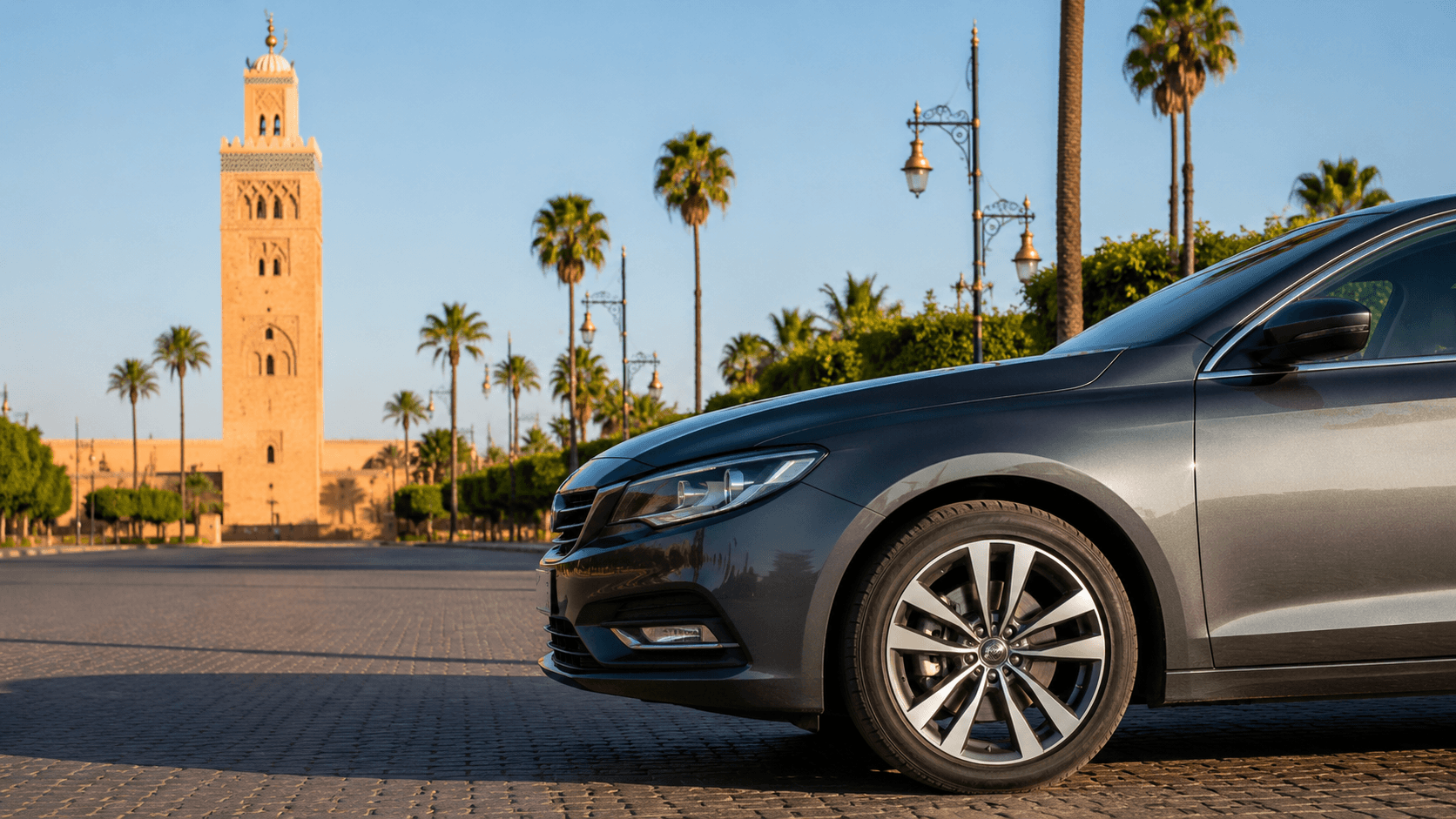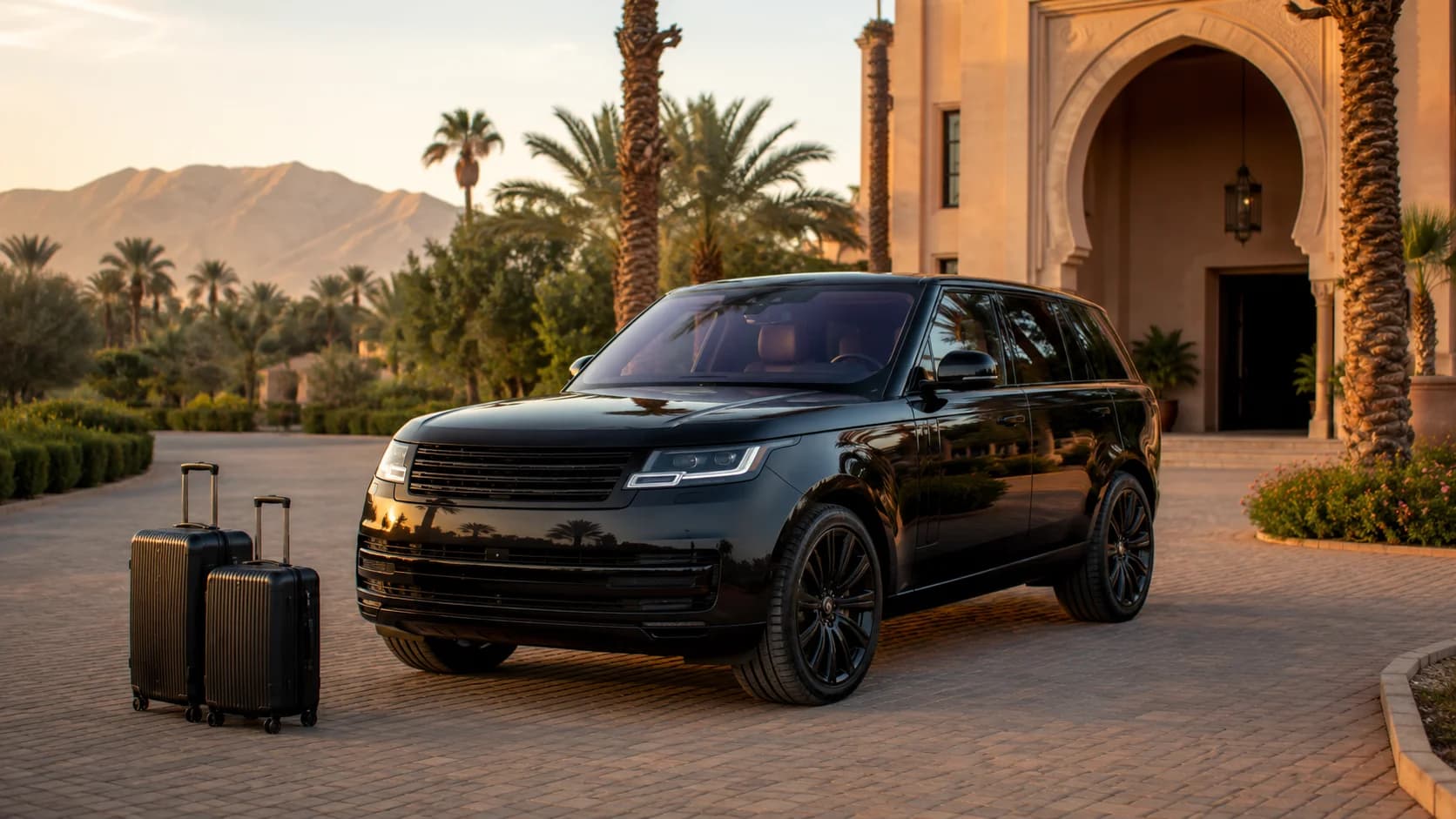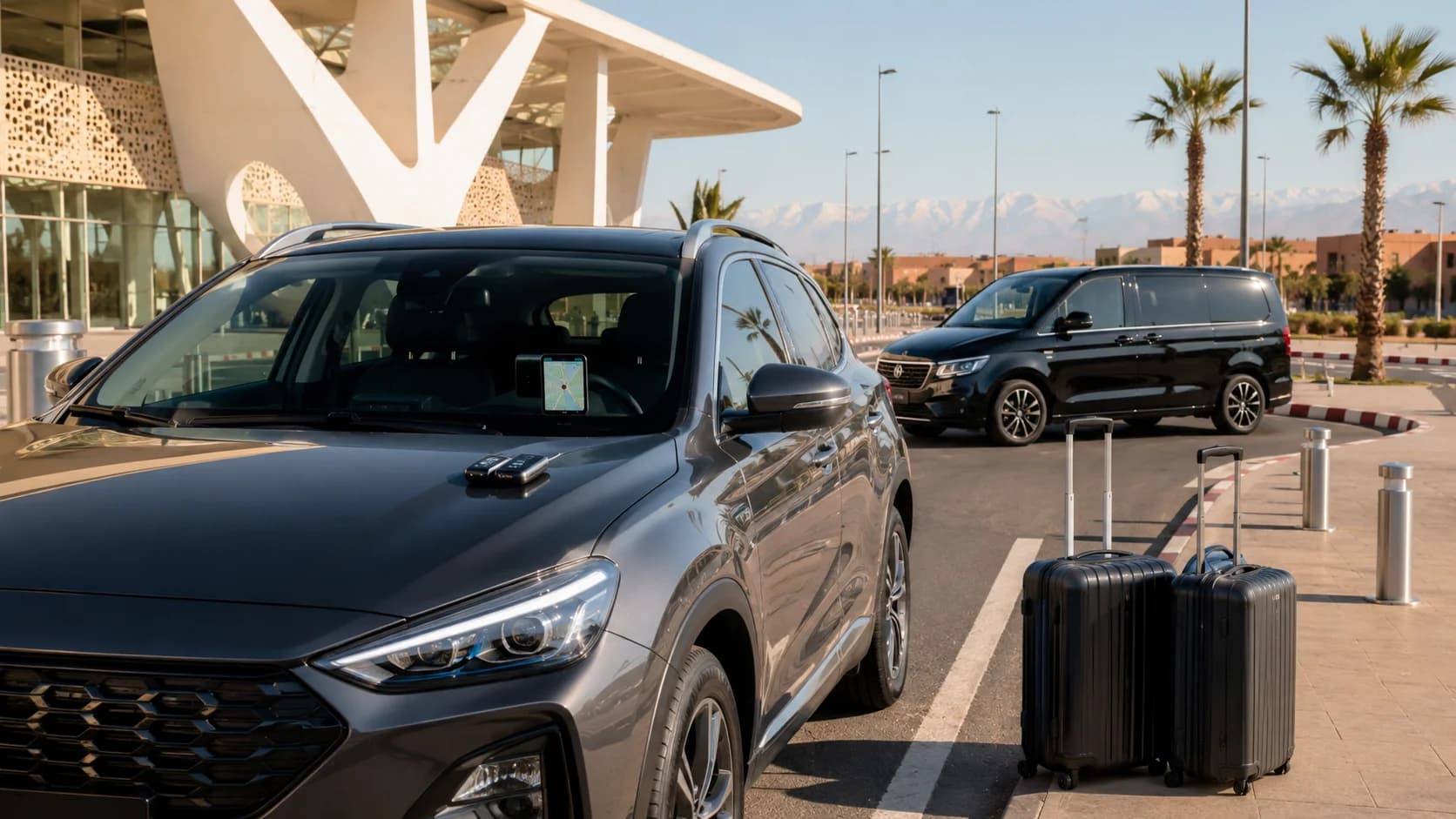








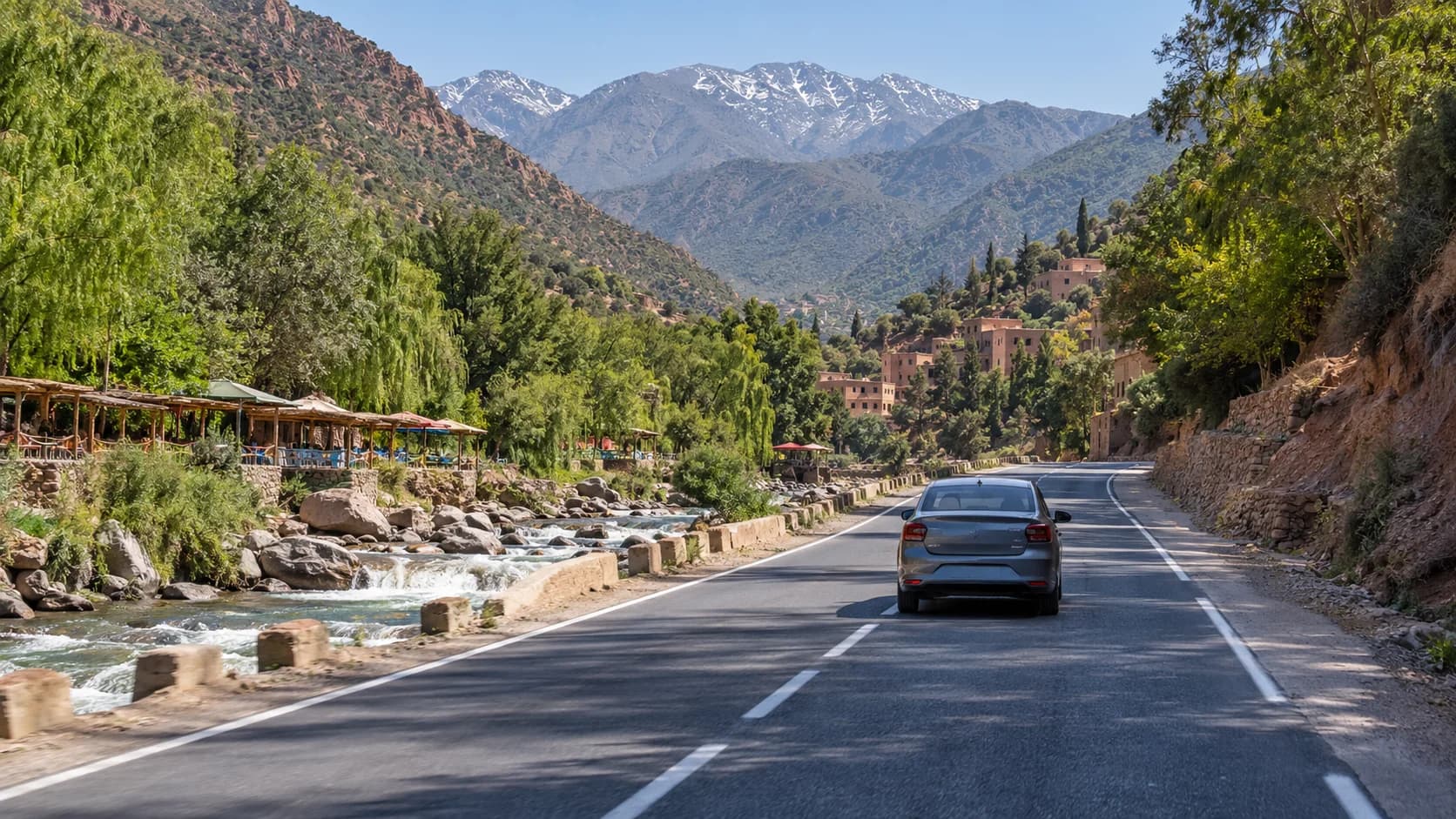
Driving Marrakech to Setti Fatma by car is one of the easiest ways to turn an Ourika Valley visit into a flexible day trip. Instead of following a fixed excursion schedule, you can leave Marrakech when you want, stop along the valley, choose where to eat and manage your arrival in Setti Fatma at your own pace.
Setti Fatma sits near the upper end of the popular Ourika Valley route, roughly 64 km by road from central Marrakech. Current route estimates put the direct drive at around 1 hour 10 minutes without significant traffic or stops.
However, the final part of the journey requires more planning than the distance suggests. Traffic can build near villages and restaurants, parking becomes less structured as you approach Setti Fatma, and reaching the famous waterfalls requires continuing on foot after leaving the car.
This guide focuses specifically on those practical details.
Can You Drive from Marrakech to Setti Fatma?
Yes. You can drive directly from Marrakech to Setti Fatma on a paved road. The journey is approximately 64 km and normally takes around 1 hour 10 minutes without heavy traffic.
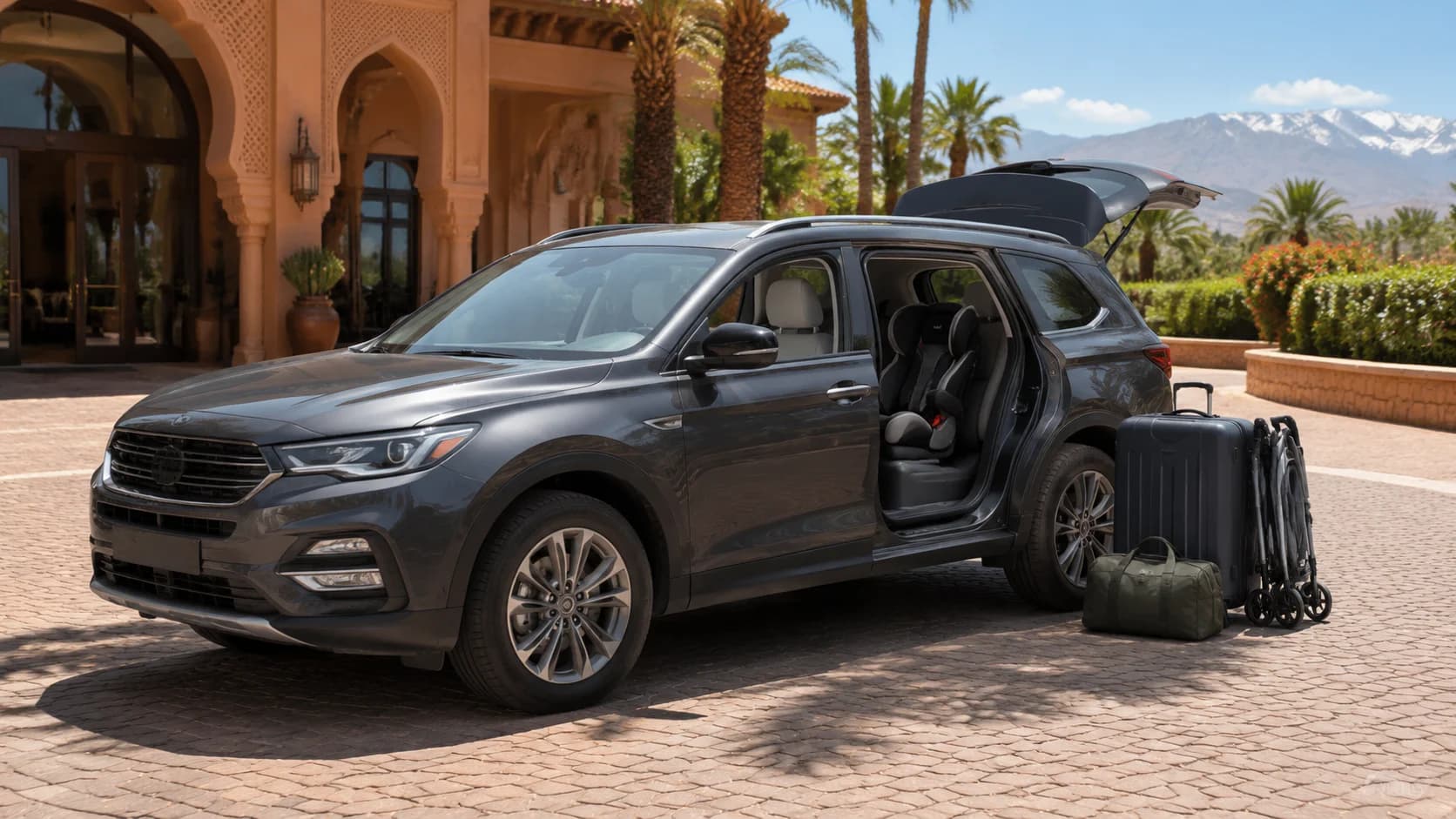
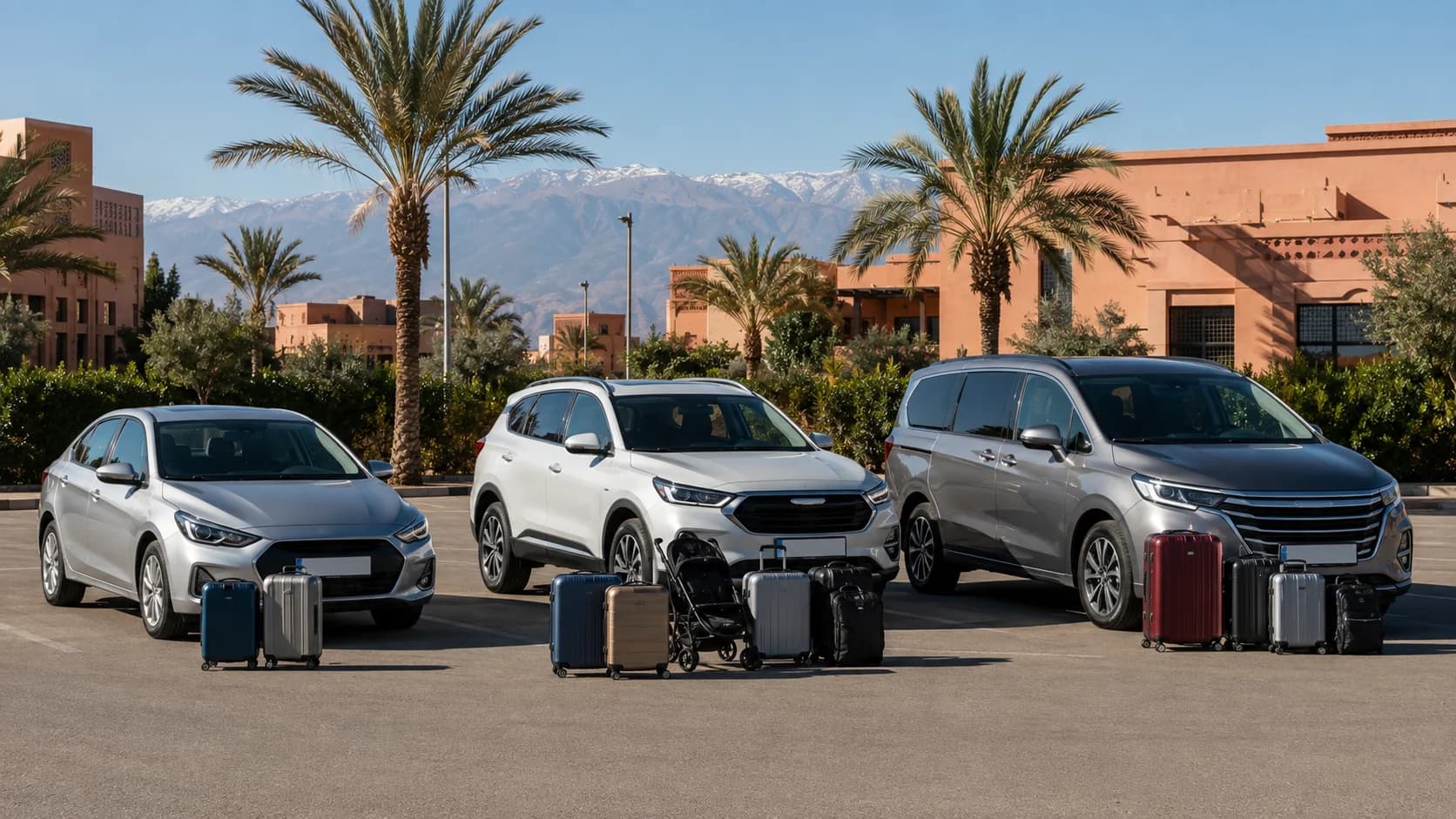
A normal sedan is sufficient for the standard drive in suitable conditions. An SUV can be more comfortable for families, groups or travelers who prefer additional ground clearance around uneven parking areas.
Once you reach Setti Fatma, you park your vehicle and continue on foot if you want to explore the village or hike toward the waterfalls. You cannot drive a rental car directly to the waterfalls.
Table of Contents
- Marrakech to Setti Fatma route overview
- Driving time and departure planning
- What the Ourika road is like
- Traffic and busy-period considerations
- Parking on arrival
- What happens after you park
- Best rental-car type for the trip
- Setti Fatma self-drive checklist
Marrakech to Setti Fatma Route Overview
The standard Setti Fatma from Marrakech drive takes you southeast from Marrakech toward the Ourika Valley before continuing deeper into the foothills of the High Atlas.
The basic route is:
Marrakech → Ourika road → Tnine Ourika → Aghbalou → Setti Fatma
The road continues through a series of settlements, cafés, restaurants and riverside areas before reaching Setti Fatma.
From central Marrakech, the road distance is about 64 km.
Do not confuse Setti Fatma with the more general destination name "Ourika Valley." The valley covers a much larger area. Many visitors stop earlier for restaurants, gardens or riverside experiences, while Setti Fatma is farther into the valley and is particularly associated with walking routes toward its waterfalls.
Is the route complicated?
No.
For most of the trip, navigation is straightforward because you are essentially following the main road deeper into the Ourika Valley.
What requires more attention is the final section, where you are more likely to encounter:
-
pedestrians beside the road;
-
parked vehicles;
-
taxis and excursion minibuses;
-
roadside businesses;
-
slower village traffic;
-
narrower-feeling sections;
-
vehicles entering and leaving parking areas.
The goal should not be to complete the trip as quickly as possible. Treat the final kilometers as a local mountain-valley road and reduce your speed accordingly.
Driving Time and Departure Planning
A direct navigation estimate of around 1 hour 10 minutes is useful for understanding distance, but it should not be treated as a guaranteed door-to-parking time.
For an actual day trip, allow more time.
A practical schedule
A comfortable plan could look like this:
08:00–08:30: Leave Marrakech
09:30–10:00: Arrive around Setti Fatma
10:00 onward: Park and explore on foot
Lunch: Eat in or around the valley
Mid-to-late afternoon: Begin the return toward Marrakech
Leaving early gives you several advantages.
You reach the upper valley before much of the day-trip traffic, have more daylight available for walking and do not need to rush your return.
An early departure is particularly useful if you intend to walk toward the waterfalls rather than simply visit Setti Fatma village.
Do not plan only around Google Maps time
Navigation applications calculate driving time, but they cannot perfectly predict how long you will spend:
-
moving through busy village sections;
-
looking for a suitable parking space;
-
stopping for photographs;
-
visiting roadside viewpoints;
-
eating;
-
walking;
-
dealing with seasonal traffic.
For a relaxed Setti Fatma day trip by car, think of this as a full or substantial half-day excursion rather than a two-hour round trip.
What the Ourika Road Is Like
One of the most common questions is whether the Ourika Setti Fatma road requires a 4x4.
For the normal route to Setti Fatma, it does not.
The road to Setti Fatma is paved, and local route guides describe the standard Marrakech–Setti Fatma corridor as paved throughout.
That makes the journey accessible to ordinary rental cars.
The character of the road nevertheless changes as you travel farther away from Marrakech.
Leaving Marrakech
The first part of the drive feels relatively straightforward. You leave the urban environment and gradually move toward the foothills.
Traffic may include:
-
private cars;
-
motorcycles;
-
local taxis;
-
trucks;
-
excursion vans;
-
buses.
Maintain normal spacing and avoid unnecessary overtaking.
Deeper in the valley
Farther along, the route becomes more scenic but also requires greater concentration.
Expect more roadside activity around populated sections. People may cross the road between restaurants, cafés and the river, while vehicles can slow suddenly when searching for parking or stopping near a business.
Road conditions can also vary after weather or local maintenance, so actual conditions on the day should always take priority over what a route description says online.
What about rain?
Mountain valleys deserve additional caution after significant rainfall.
The Ourika Valley has a history of flash flooding, so never use a dry riverbed or obviously flood-prone area as improvised parking. If weather is severe or local authorities restrict access, follow local instructions rather than attempting to continue.
Traffic and Busy-Period Considerations
Traffic is one of the biggest variables when driving from Marrakech to Setti Fatma.
The route is popular with:
-
Moroccan weekend visitors;
-
organized tours;
-
private drivers;
-
rental-car travelers;
-
motorcycles;
-
local residents.
When can traffic be heavier?
Weekends and popular holiday periods can be noticeably busier than ordinary weekdays.
Traffic does not necessarily look like Marrakech city congestion. Instead, delays often develop when many vehicles arrive at the same narrow village section, restaurant area or parking zone.
A journey that feels fast during the first half can therefore become slower during the final approach.
Leave early on busy days
If Setti Fatma is the main purpose of your excursion, it generally makes more sense to drive there first and make leisurely stops on the return.
That gives you a better chance of finding parking before peak arrivals.
It also avoids reaching Setti Fatma late in the day and discovering that you have less walking time than expected.
Parking in Setti Fatma
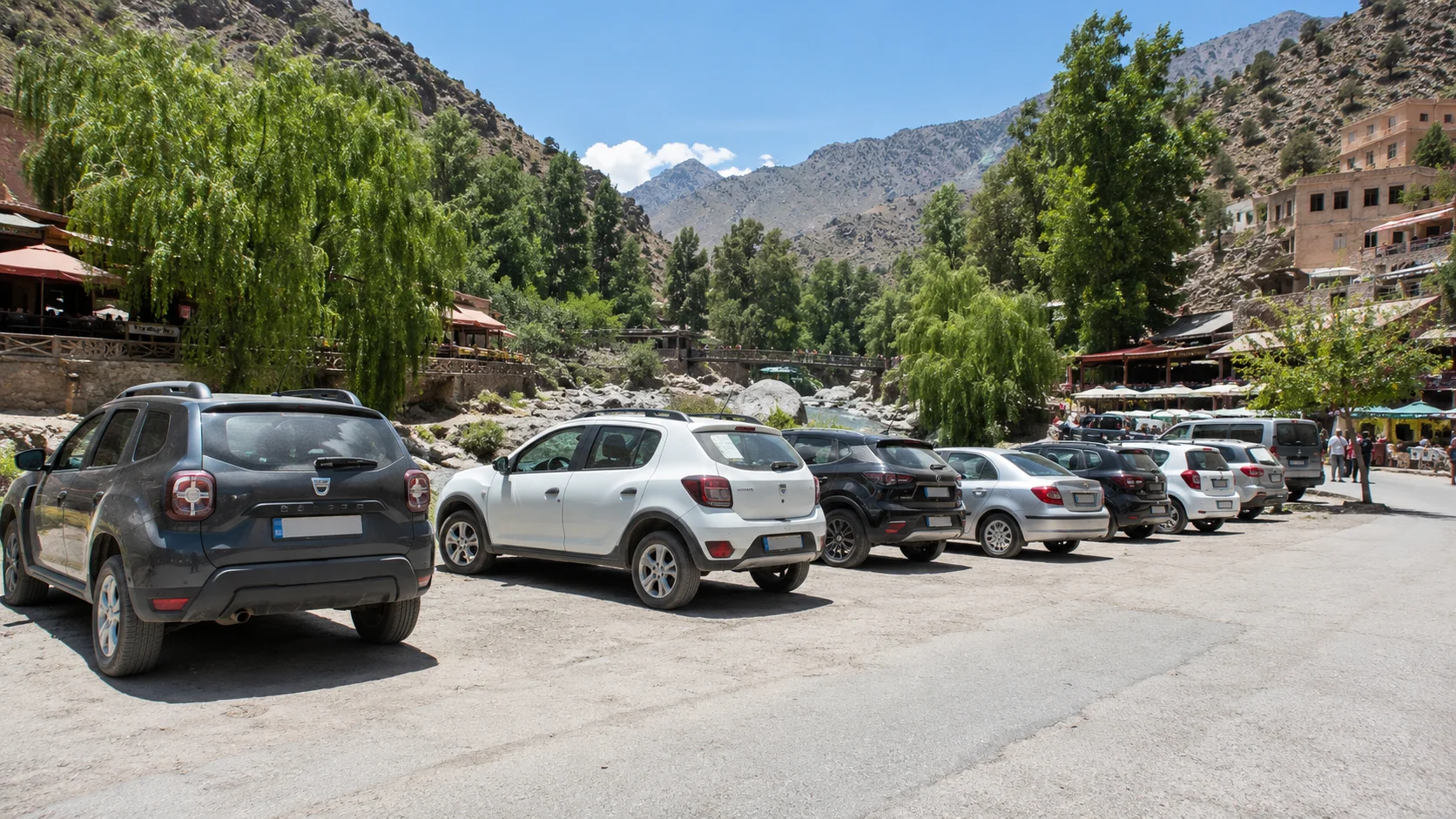
Parking in Setti Fatma is available around the village and along the final arrival area, but you should not expect a large, standardized city-style car park.
Visitor guidance for Setti Fatma describes parking near the river and village arrival area before continuing on foot.
The exact situation can change depending on:
-
season;
-
day of the week;
-
time of arrival;
-
visitor numbers;
-
weather;
-
temporary traffic organization.
What should you look for?
Choose a clearly established parking area where other vehicles are legitimately parked and where your car will not obstruct traffic.
Avoid:
-
blocking a narrow road;
-
stopping on a blind bend;
-
parking directly in the riverbed;
-
leaving the car where it prevents another vehicle from exiting;
-
forcing your rental car onto rough ground unnecessarily.
If parking is busy, accepting a space slightly farther away is often easier than repeatedly driving deeper into congestion looking for the closest possible spot.
Keep valuables out of sight
As with parking anywhere during a road trip, take your phone, wallet, passport and other valuable items with you where practical.
Do not leave bags, cameras or electronics visibly exposed inside the cabin.
What Happens After You Park?
This is the key detail travelers sometimes miss when planning the trip:
Driving gets you to Setti Fatma, not directly to the waterfalls.
Once parked, exploring continues on foot.
The waterfalls are reached via walking and hiking paths from the village area. Setti Fatma's waterfall walks are one of the main reasons visitors continue this far into the Ourika Valley.
Can I drive all the way to the waterfalls?
No.
The waterfall experience is pedestrian rather than a drive-up attraction.
Your rental car remains parked in the village while you continue walking.
What should you bring?
If you intend to walk beyond the village, bring:
-
comfortable shoes with grip;
-
drinking water;
-
sun protection;
-
a light extra layer outside the hottest months;
-
a charged phone;
-
only the belongings you actually need.
The walking terrain is very different from driving the paved road. Do not assume that because the drive is easy, every section of the waterfall walk will be equally simple.
Your footwear matters considerably more once you leave the road.
Allow enough daylight
Avoid arriving so late that you feel pressured to complete the walk quickly.
Driving back through the valley before darkness can also be more comfortable for visitors unfamiliar with the route.
Best Rental-Car Type for Marrakech to Setti Fatma
You do not need a specialized vehicle for the normal Marrakech–Setti Fatma route.
The right choice depends more on passenger numbers, luggage and your overall Morocco itinerary.
Sedan: Best all-round choice
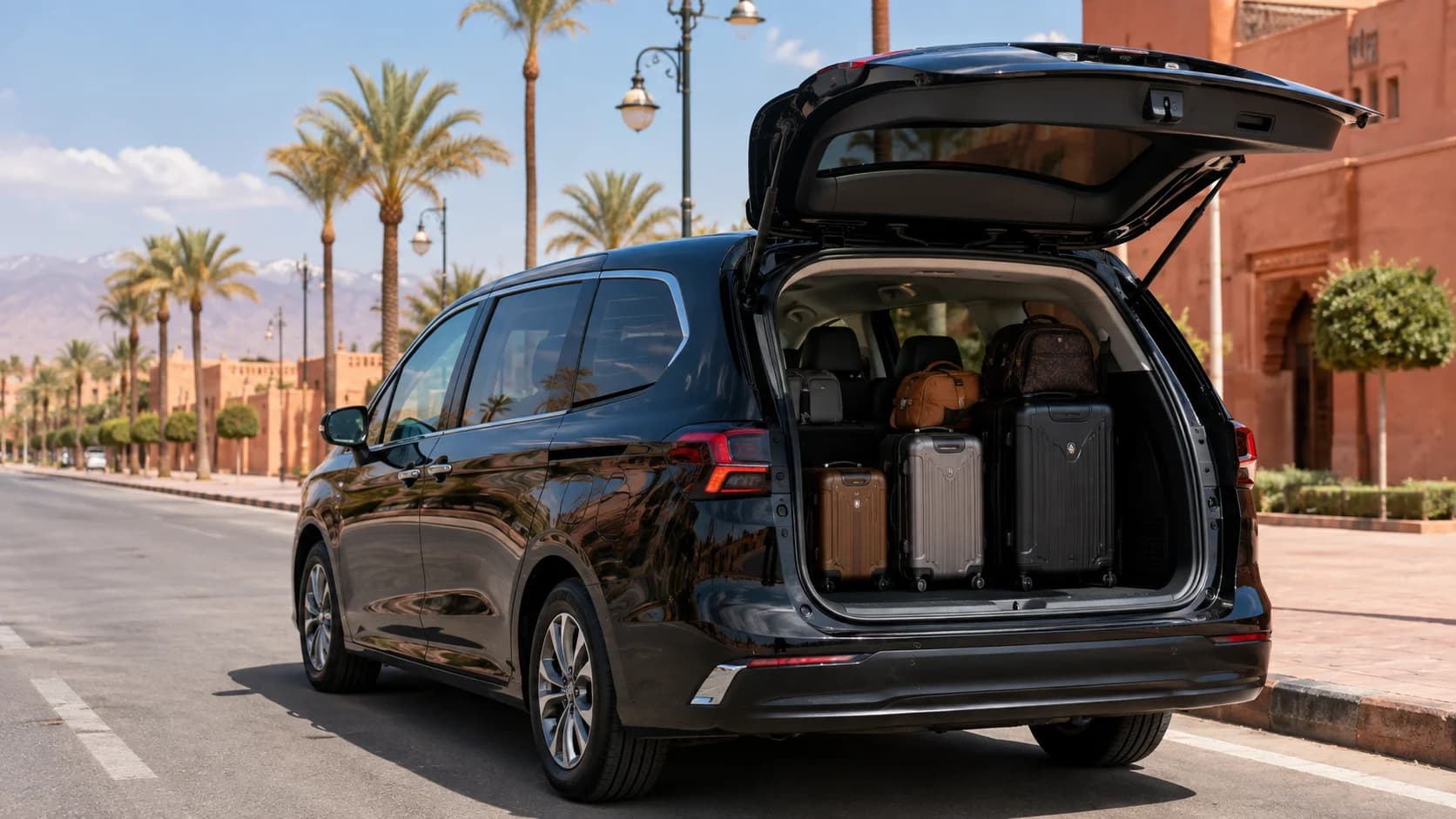
A sedan rental in Marrakech works well for couples, small families and travelers wanting a comfortable road car.
A sedan provides:
-
comfortable seating;
-
useful luggage space;
-
stable paved-road driving;
-
good value for a day trip.
For a simple Marrakech–Ourika–Setti Fatma itinerary, it is usually more than sufficient.
SUV: Best for extra comfort
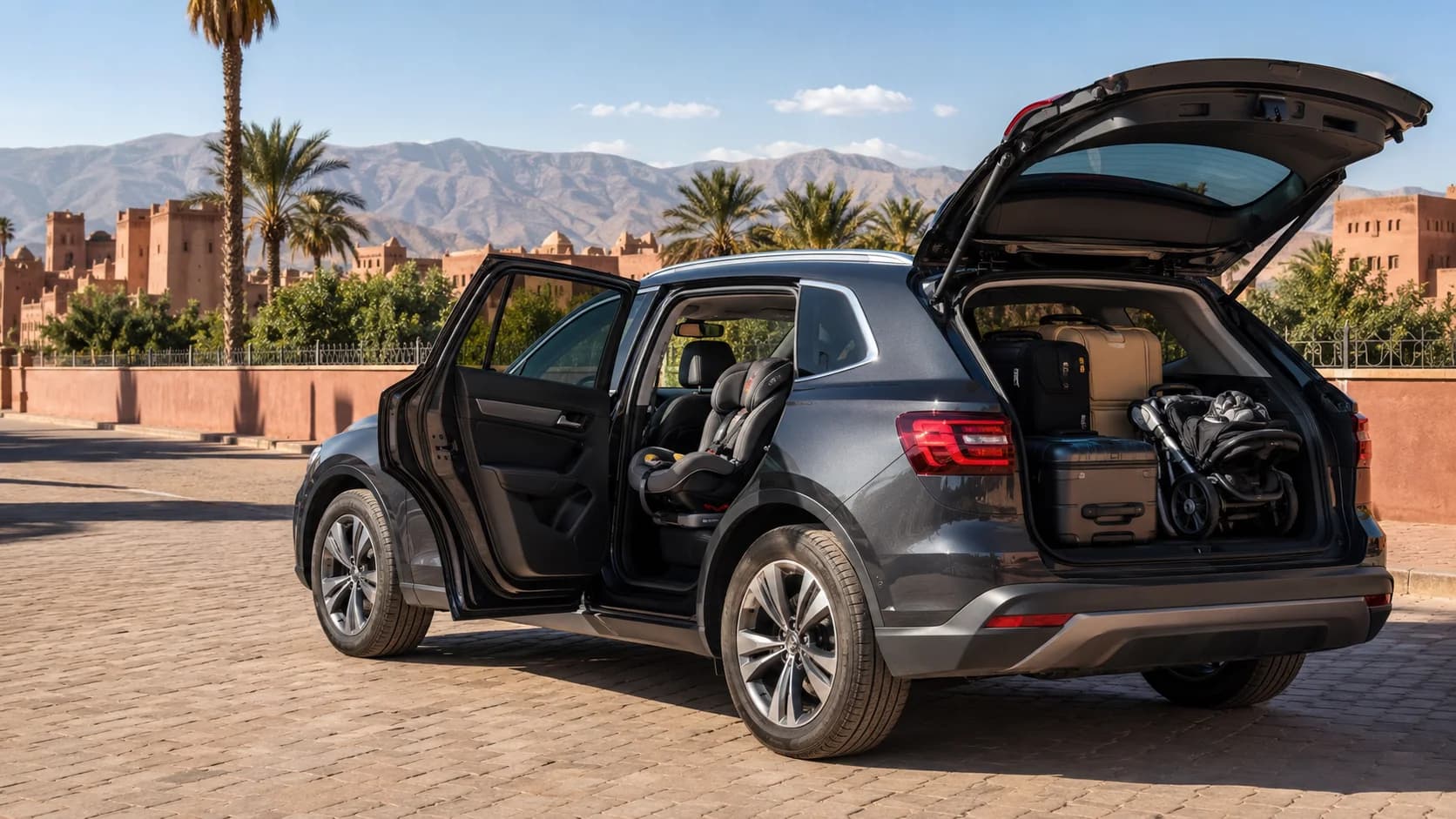
An SUV rental in Marrakech can be useful if you are traveling with several people or simply prefer a higher seating position.
Advantages can include:
-
easier passenger access;
-
more luggage capacity depending on model;
-
higher driving position;
-
additional clearance around uneven parking surfaces.
An SUV is a comfort choice for Setti Fatma, not a requirement for reaching the village.
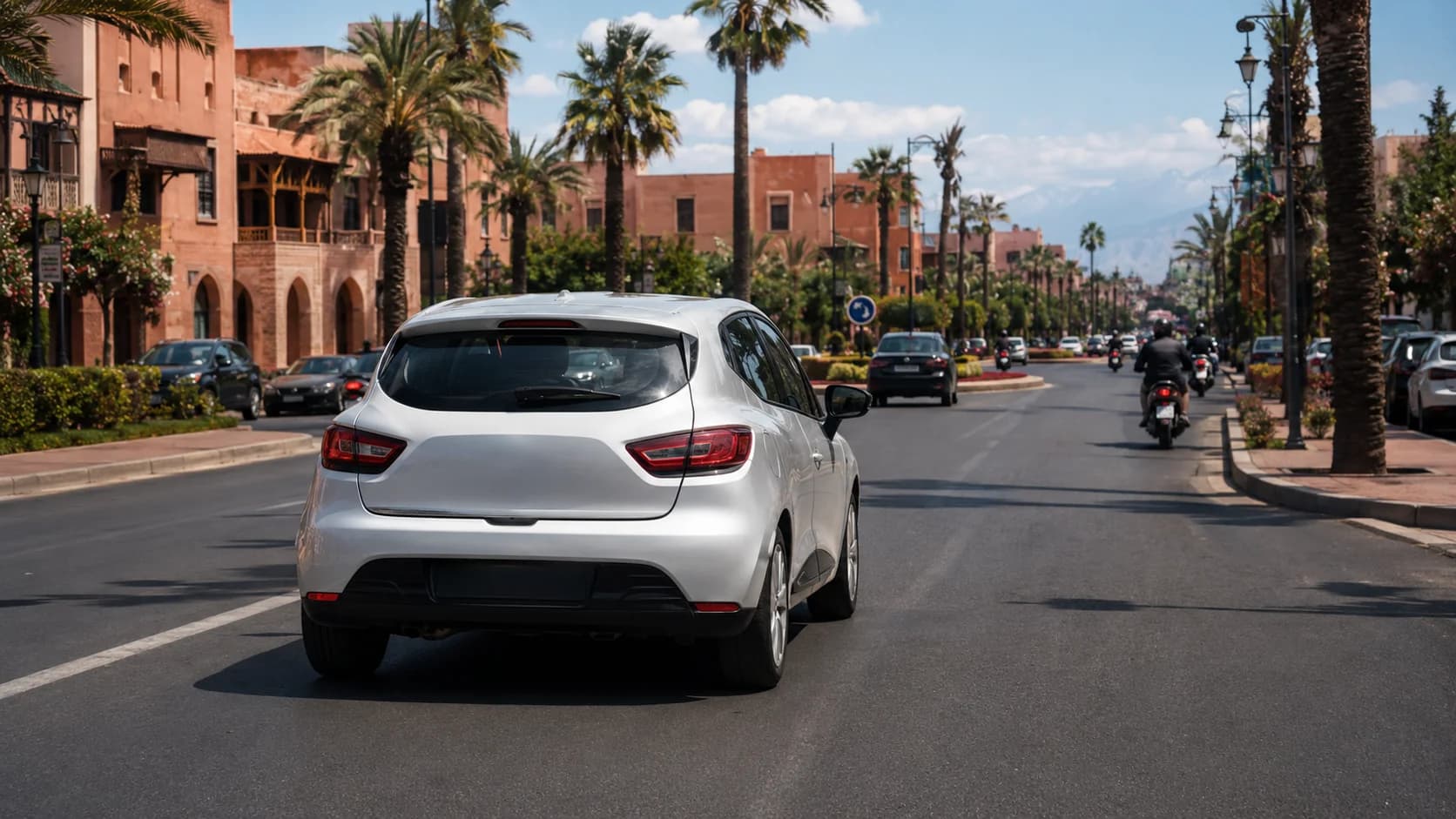
Cheap rental car: Best for a simple day trip
Travelers mainly interested in an economical day trip can choose a cheap car rental in Marrakech.
A compact vehicle can actually be convenient on busy roads and when parking space is limited.
There is little benefit in paying for a large vehicle if two travelers are making a straightforward paved-road excursion with minimal luggage.
Which car should you choose?
| Travel situation | Recommended vehicle |
|---|---|
| 1–2 travelers | Compact/economy |
| Couple wanting comfort | Sedan |
| Small family | Sedan or SUV |
| 4–5 travelers | SUV |
| Extra luggage | SUV |
| Standard Setti Fatma road only | No 4x4 required |
Choose your vehicle according to the complete Morocco trip rather than Setti Fatma alone.
Setti Fatma Self-Drive Checklist
Before leaving Marrakech, use this simple checklist:
Fuel: Start with enough fuel for the return journey.
Navigation: Load the route before departure.
Departure: Leave Marrakech early, especially on busy weekends.
Weather: Check mountain and valley weather before traveling.
Road: Expect a paved route but slow down through villages and busy roadside sections.
Parking: Use an established parking area rather than rough or flood-prone ground.
Footwear: Bring proper walking shoes if visiting the waterfalls.
Water: Carry drinking water.
Valuables: Do not leave important belongings visibly inside the vehicle.
Daylight: Give yourself enough time for the walk and return journey.
Frequently Asked Questions
How far is Setti Fatma from Marrakech?
Setti Fatma is approximately 64 km by road from central Marrakech, depending on your exact starting point.
How long does it take to drive there?
The direct drive can take approximately 1 hour 10 minutes in clear conditions, although traffic, village activity, stops and parking can make the real journey longer.
Is the road to Setti Fatma paved?
Yes. The normal road from Marrakech through the Ourika Valley to Setti Fatma is paved. Conditions can still vary, so drive cautiously where surfaces become uneven or traffic increases.
Where can I park in Setti Fatma?
Parking is generally found around the village and riverside arrival area. Availability and traffic organization vary with visitor numbers, so arriving earlier can make parking easier.
Do I need an SUV for Setti Fatma?
No. A sedan or compact rental car is adequate for the normal paved route. An SUV mainly provides additional space, clearance and a higher seating position.
Can I drive all the way to the waterfalls?
No. You park in or around Setti Fatma and continue toward the waterfalls on foot.
Is Setti Fatma a day trip from Marrakech?
Yes. The short driving distance makes Setti Fatma well suited to a day trip, particularly when you leave Marrakech in the morning and allow several hours for walking, lunch and stops in the valley.
When should I leave Marrakech?
An early-morning departure is the most practical choice, particularly on weekends or during busy travel periods. It gives you more time in Setti Fatma and can make arrival and parking easier.
Is traffic heavy in the Ourika Valley?
It can be. Weekends, holidays and popular excursion periods can bring taxis, coaches, minibuses and private cars onto the same road. Traffic can be especially noticeable around villages and the final approach to Setti Fatma.
What car is best for the route?
A compact car is ideal for economical travel, a sedan offers an excellent balance of comfort and cost, and an SUV is useful for families or travelers wanting more passenger and luggage space.
Marrakech to Setti Fatma by Car: Final Advice
The Marrakech to Setti Fatma by car journey is not difficult because of distance or technical driving. The main considerations are simply leaving enough time, driving patiently through the upper Ourika Valley and understanding how the trip changes once you reach Setti Fatma.
The road gets you to the village. From there, parking and walking become the important parts of the experience.
Leave Marrakech early, avoid planning around the fastest possible navigation estimate, park responsibly and keep enough daylight available if the waterfalls are part of your itinerary.
For a flexible self-drive trip, choose a MarHire Car Marrakech sedan, SUV or affordable rental according to your group size and wider Morocco itinerary, then enjoy the Ourika Valley without being tied to a fixed excursion schedule.