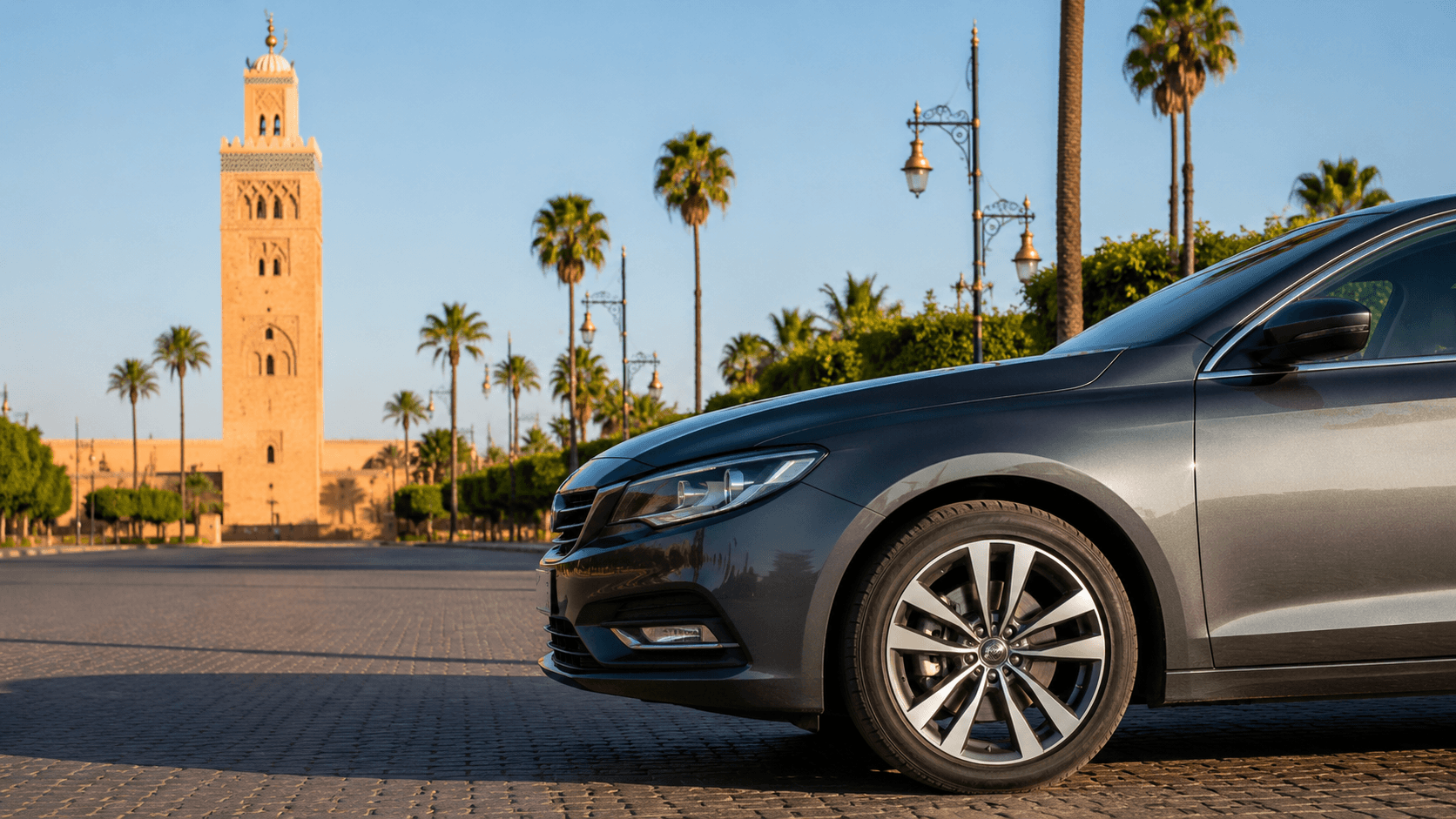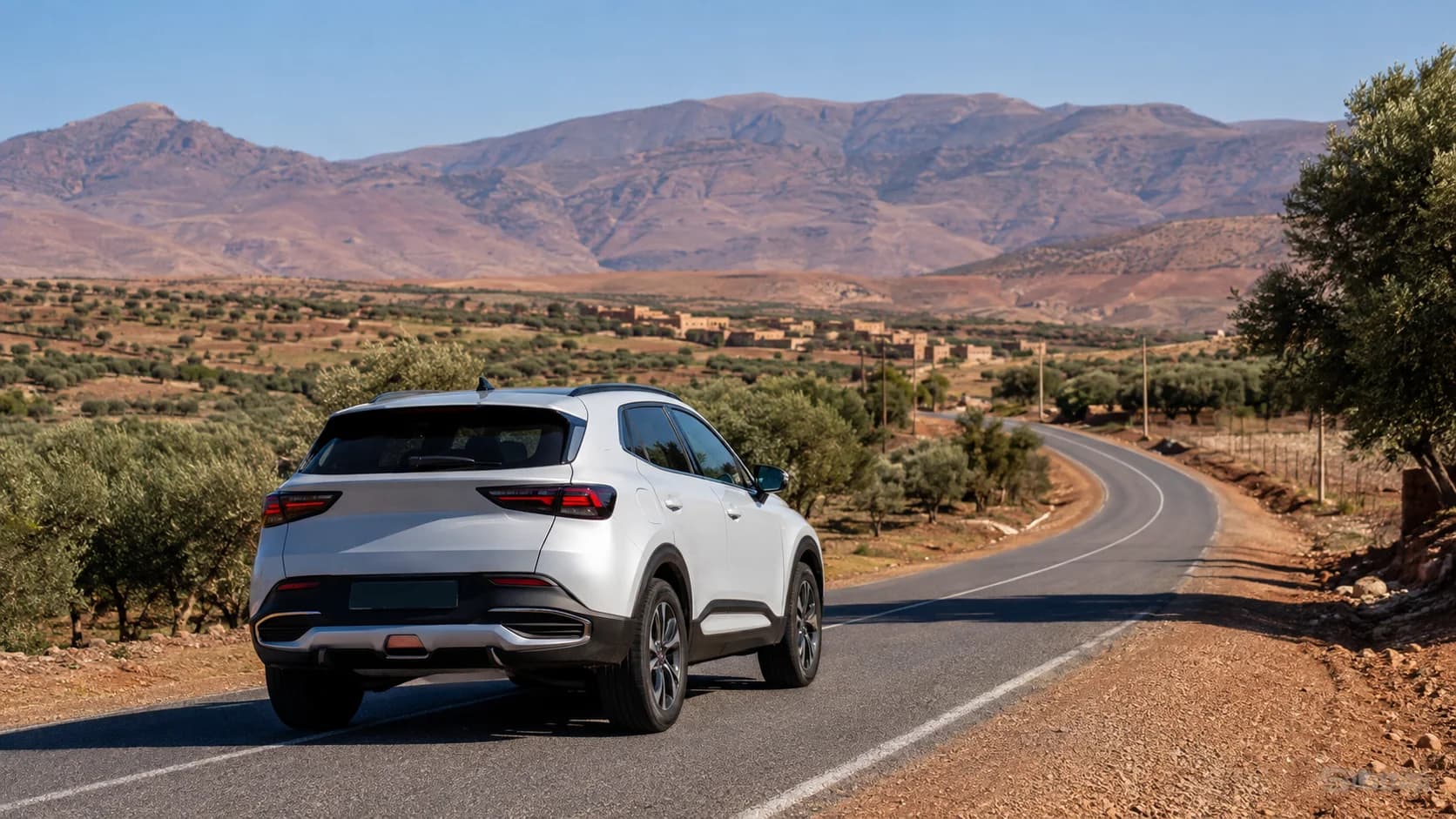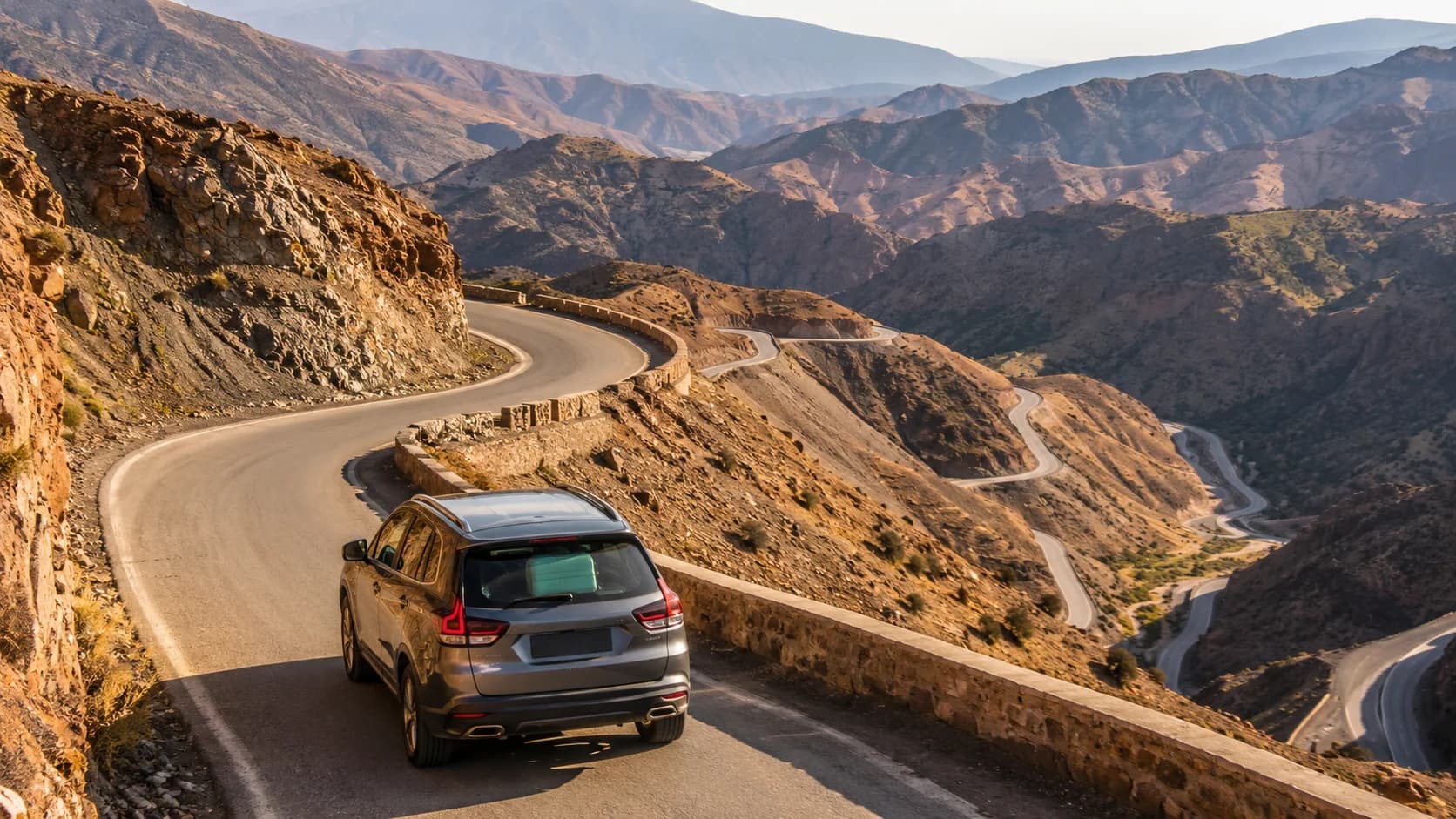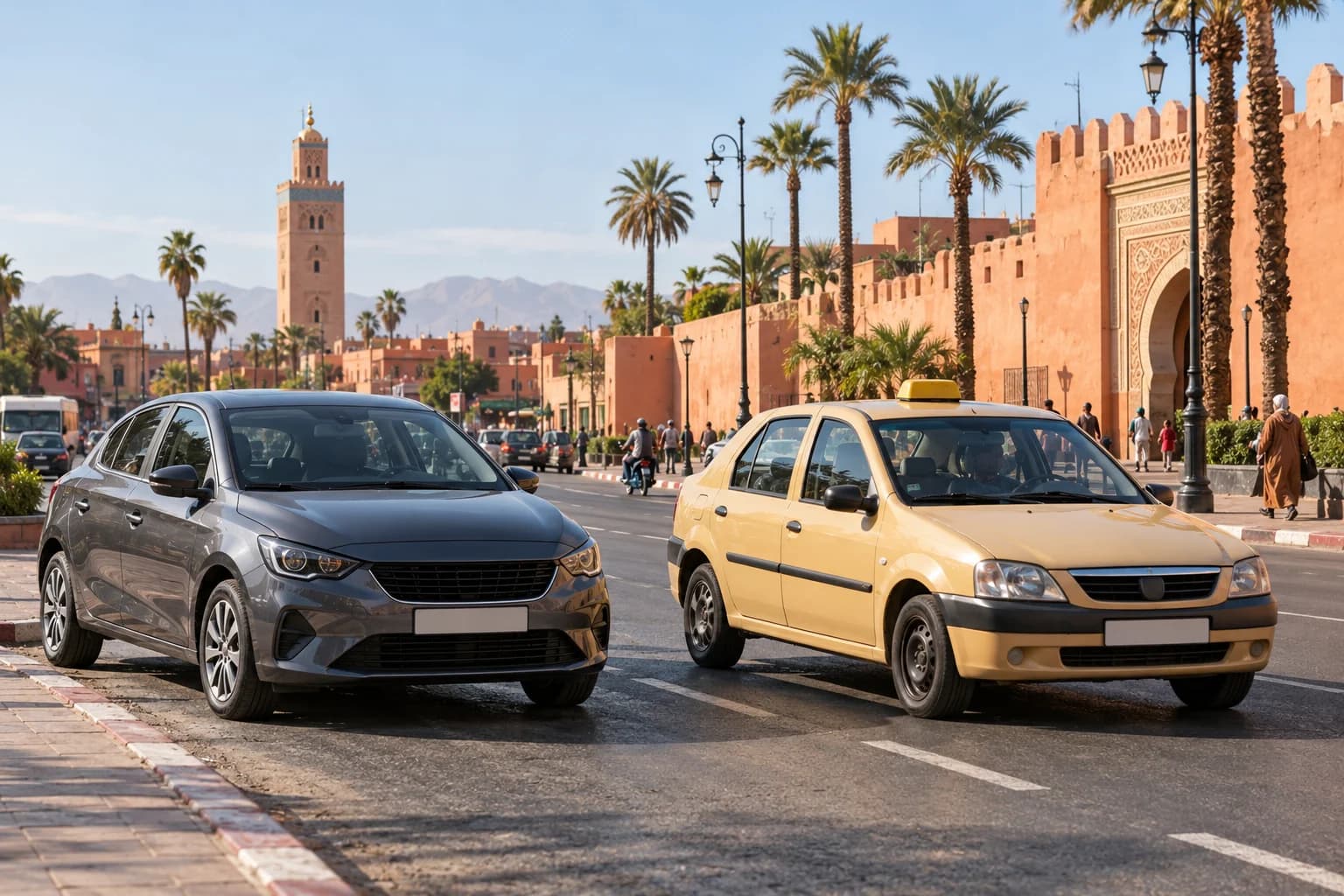








The Marrakech to Zagora desert route is one of the most rewarding self-drive road trips in Morocco. The drive follows the N9 over the High Atlas, crosses the Tizi n’Tichka pass, continues through Ouarzazate and Agdz, then runs along the Draa Valley toward Zagora and M’Hamid. Marrakech to Zagora is about 350 km and usually takes 6 to 7 hours of driving without long stops. For M’Hamid, add around 90 to 100 km and plan a much longer day.
A standard car can reach Zagora on paved roads, but an SUV or 4x4 is more comfortable for the Atlas curves, desert-side tracks, luggage and longer travel days. For Erg Chigaga and deeper dunes, hand over to a local 4x4 driver from M’Hamid.
Zagora vs Merzouga: which desert from Marrakech
Many travelers search for the Sahara from Marrakech and immediately think of Merzouga. Merzouga is famous for Erg Chebbi, the postcard dune field with large golden dunes and many desert camps close to the paved road. It is beautiful, but it is far from Marrakech. For a short self-drive desert road trip, Zagora and M’Hamid are often more realistic.
Zagora is the classic desert gateway on the Draa Valley route. It is not the same experience as standing inside the high dunes of Erg Chebbi, but it gives you a strong southern Morocco feeling: palm groves, kasbahs, dry mountains, desert villages and the first sandy landscapes near Tamegroute and M’Hamid. The Draa Valley between Agdz, Zagora and M’Hamid is described as a fertile band of oases, orchards and palm groves running through a harsh desert plateau.
M’Hamid is the stronger choice if you want to go deeper toward the Sahara edge. It sits south of Zagora, where the Draa Valley begins to disappear into desert landscapes. Several desert sources describe M’Hamid as a final oasis and a departure point for Erg Chigaga, which is reached by 4x4 track rather than normal road.
So the simple choice is this: choose Zagora if you want a scenic self-drive route and a manageable two-day desert taste. Choose M’Hamid if you have three days and want a wilder desert edge. Choose Merzouga if your priority is big dunes and you can give the trip more time.
The route: Tichka, Ouarzazate and the Draa Valley
The normal Marrakech to Zagora desert route follows the N9. From Marrakech, the road climbs into the High Atlas toward Tizi n’Tichka, then descends toward Ouarzazate. This first part is dramatic, but it needs patience. The road has many bends, slow trucks, mountain villages and viewpoints where drivers often stop for photos.
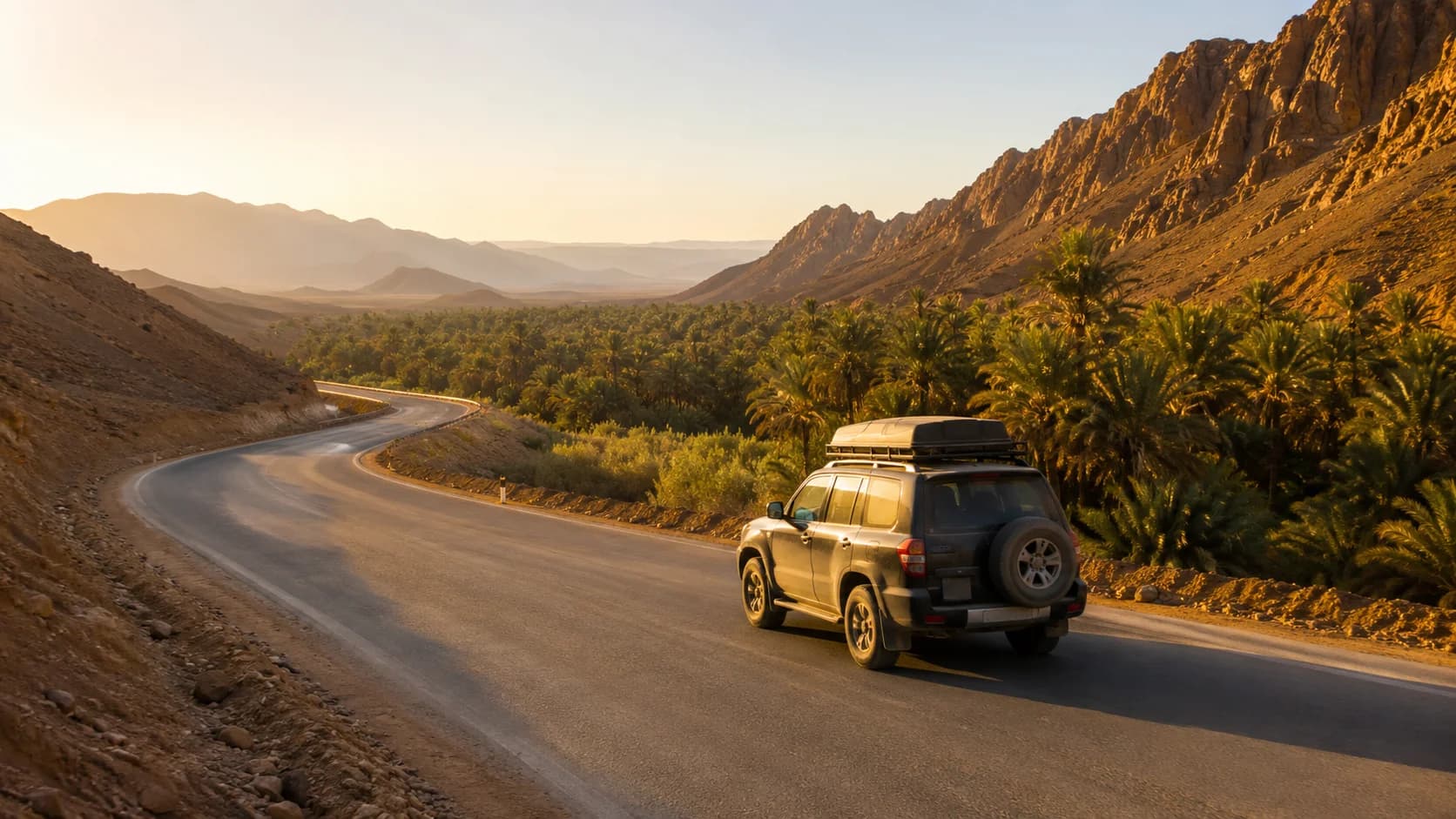
After Ouarzazate, the route turns south-east toward Agdz and the Draa Valley. This is where the trip changes from mountain crossing to desert road trip. The landscapes open up, the colors become drier, and the palm groves start to appear along the valley floor.
Aït Ben Haddou is a popular detour before or after Ouarzazate. It is a UNESCO World Heritage ksar and one of Morocco’s best-known examples of traditional earthen architecture. If you stop there, add at least 1.5 to 2 hours to your travel day.
For most travelers, the best route flow is:
Marrakech → Tizi n’Tichka → Aït Ben Haddou optional detour → Ouarzazate → Agdz → Draa Valley → Zagora → Tamegroute → M’Hamid.
This road is not only about reaching the desert. The journey itself is the experience.
Distance and realistic drive times
Marrakech to Zagora is commonly estimated at about 350 km by road, with around 6 to 7 hours of driving in normal conditions. This does not include long photo stops, lunch, Aït Ben Haddou or slow sections behind trucks on the mountain road.
For planning, use these realistic timings:
| Route section | Approximate drive time | Notes |
|---|---|---|
| Marrakech to Tizi n’Tichka | 2 to 2.5 hours | Mountain road, bends, slow traffic |
| Tizi n’Tichka to Ouarzazate | 2 to 2.5 hours | Descent, villages, optional Aït Ben Haddou |
| Ouarzazate to Agdz | 1 to 1.5 hours | Scenic southern road |
| Agdz to Zagora | 1.5 to 2 hours | Draa Valley palm groves |
| Zagora to M’Hamid | 1.5 to 2 hours | Desert-edge road via Tamegroute |
The drive from Ouarzazate to Agdz is around 55 km, while the route continues through Zagora toward M’Hamid further south along the Draa Valley.
The biggest mistake is treating Marrakech to Zagora like a normal highway drive. It is not. The Atlas section is slow, and the Draa Valley deserves stops. Leaving Marrakech late in the morning makes the whole day feel rushed. For a comfortable self-drive, leave early, keep breaks short before Ouarzazate, and save longer stops for the valley.
Road conditions and where tarmac ends
For Zagora itself, the main route is paved. A rental car can reach Zagora without needing off-road driving. The challenge is not sand, it is distance, curves, heat, fatigue and changing light in the mountains.
The section from Marrakech to Ouarzazate is the part that needs the most attention. In winter, weather can affect the High Atlas, and in all seasons the road requires careful speed control. Avoid overtaking on blind bends, keep distance from trucks, and do not plan your first crossing of Tizi n’Tichka at night.
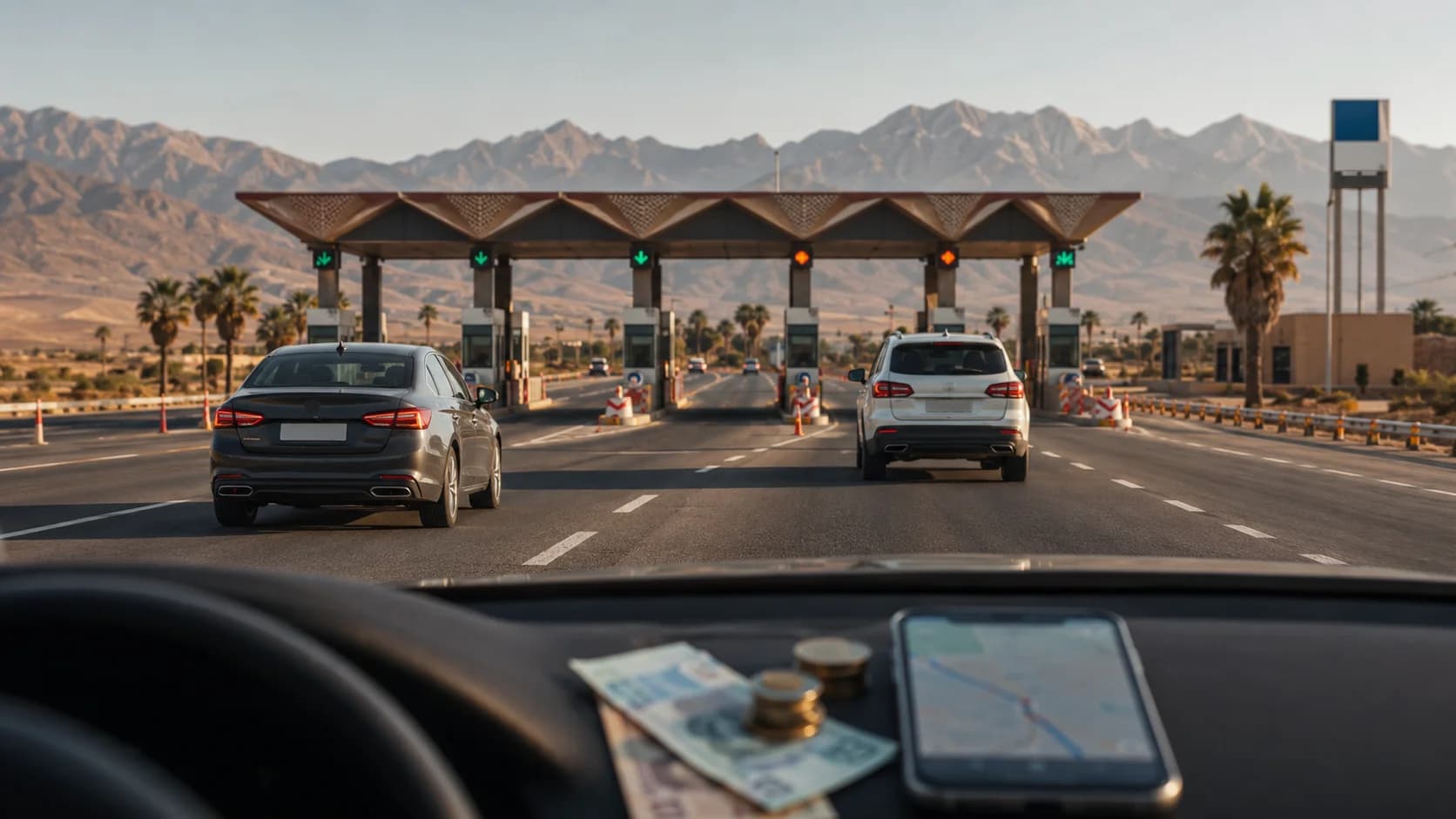
From Ouarzazate to Zagora, the drive becomes easier in terms of road shape, but it becomes more remote. Services are available in towns, but you should not drive as if you are between two big cities. Fuel, water and phone battery matter more here.
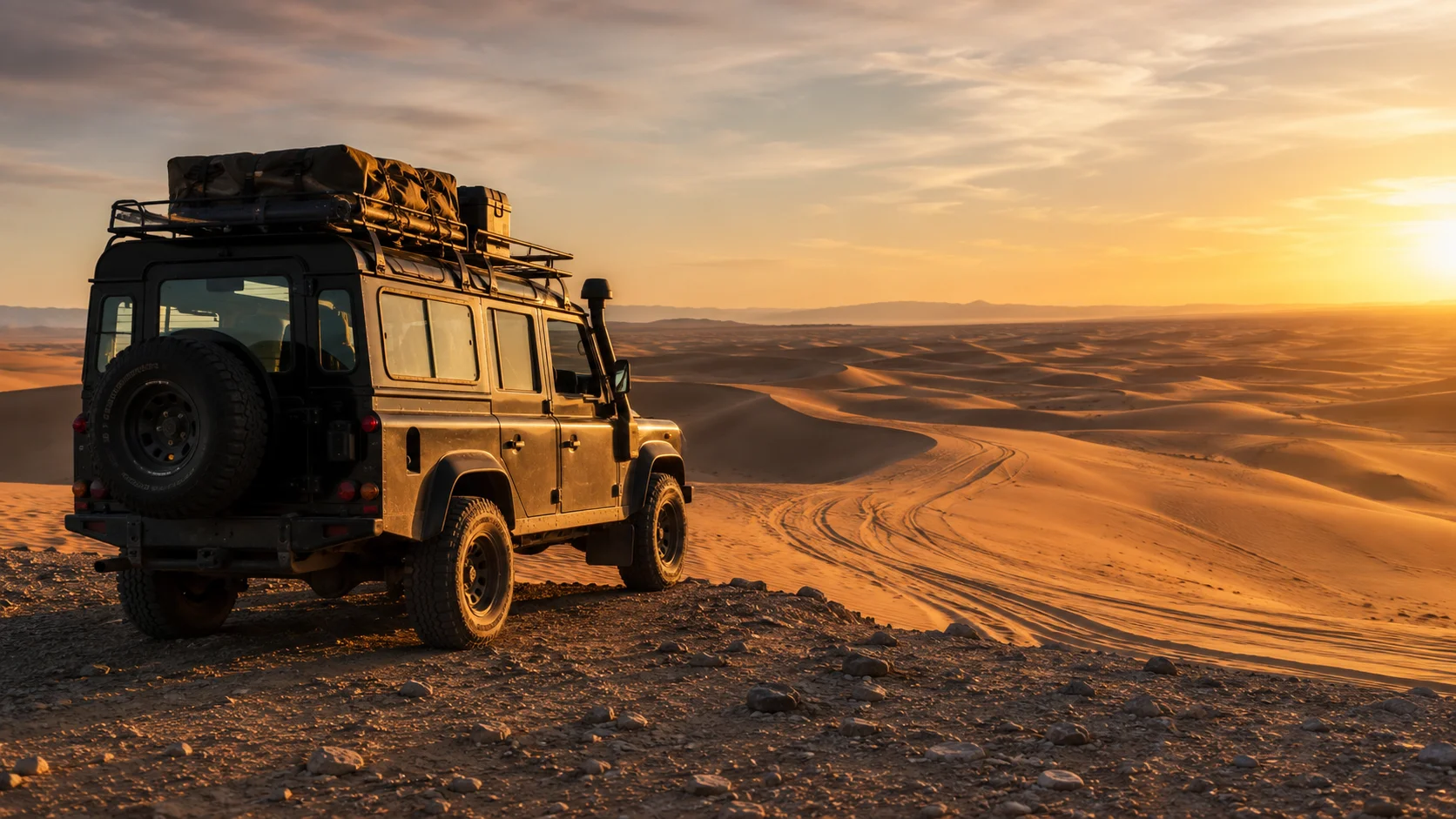
The tarmac continues toward M’Hamid, but the real desert tracks begin beyond the village. Erg Chigaga is not a normal rental-car destination. Local desert operators commonly describe the route from M’Hamid to Erg Chigaga as a 4x4 track journey across desert terrain.
A simple rule: drive your rental car to the paved desert-edge towns, then use a local 4x4 guide for the dunes.
Do you need a 4x4 for the desert edge?
You do not need a 4x4 just to drive from Marrakech to Zagora on the main paved route. However, that does not mean every car is equally comfortable.
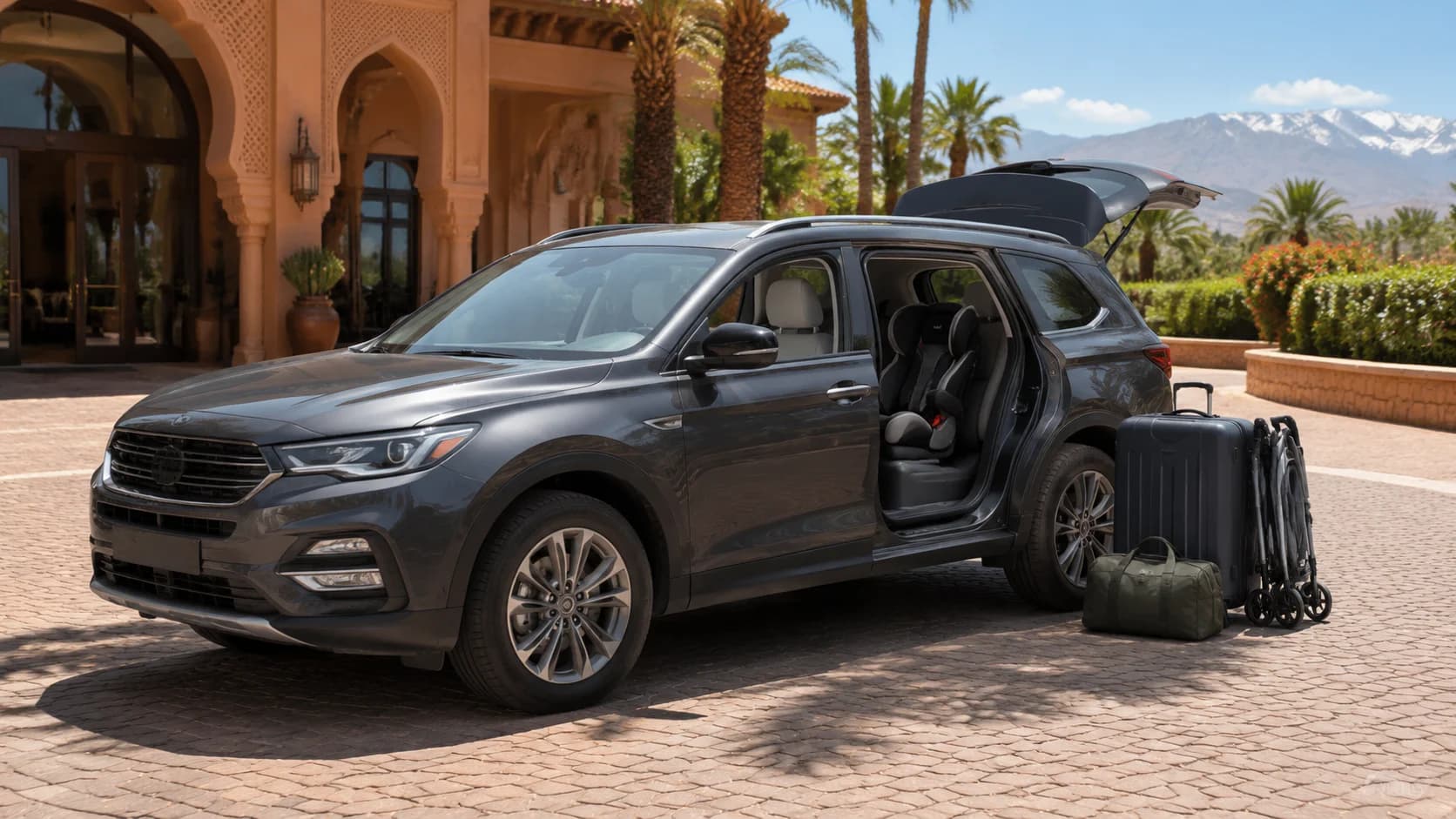
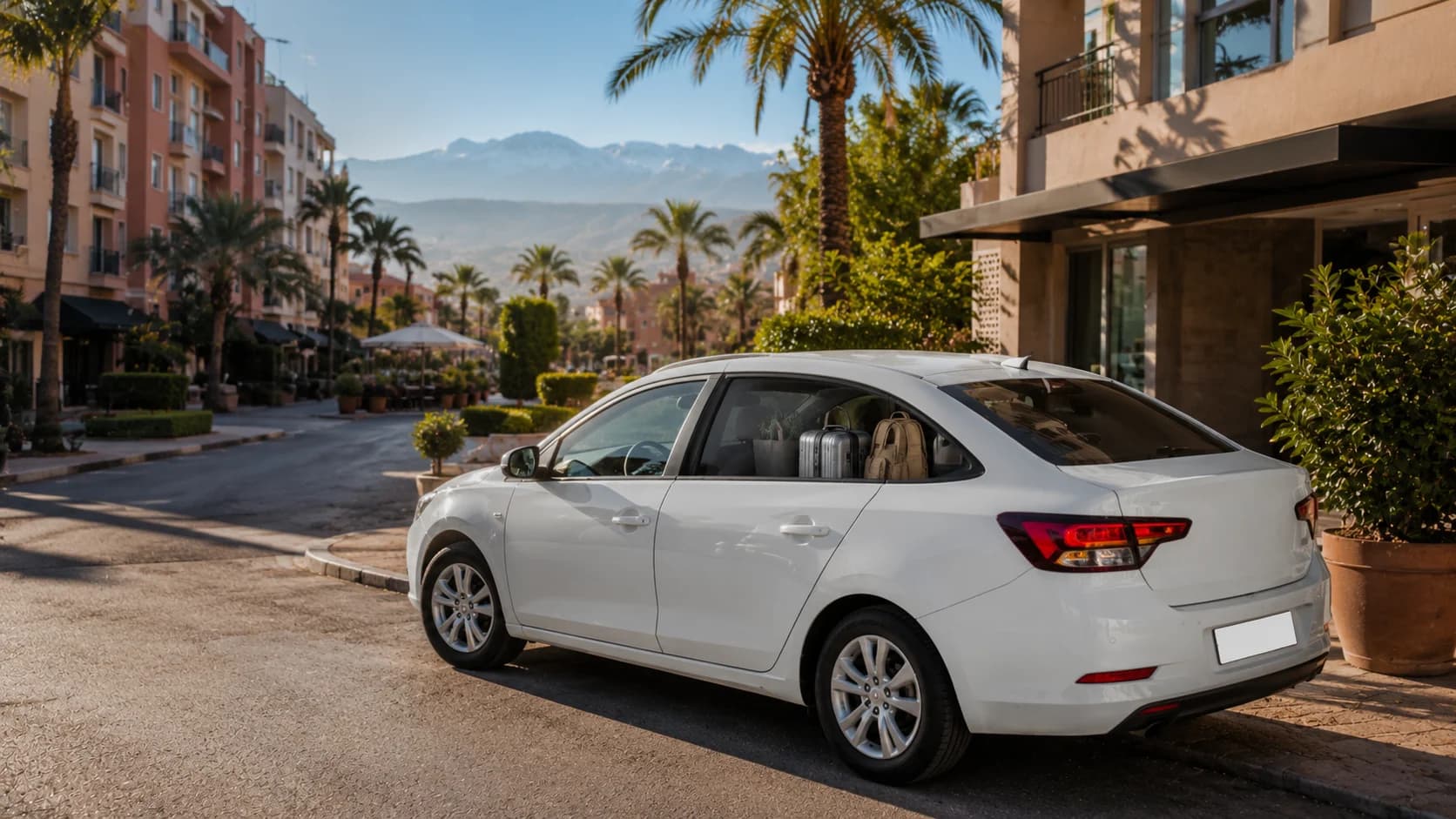
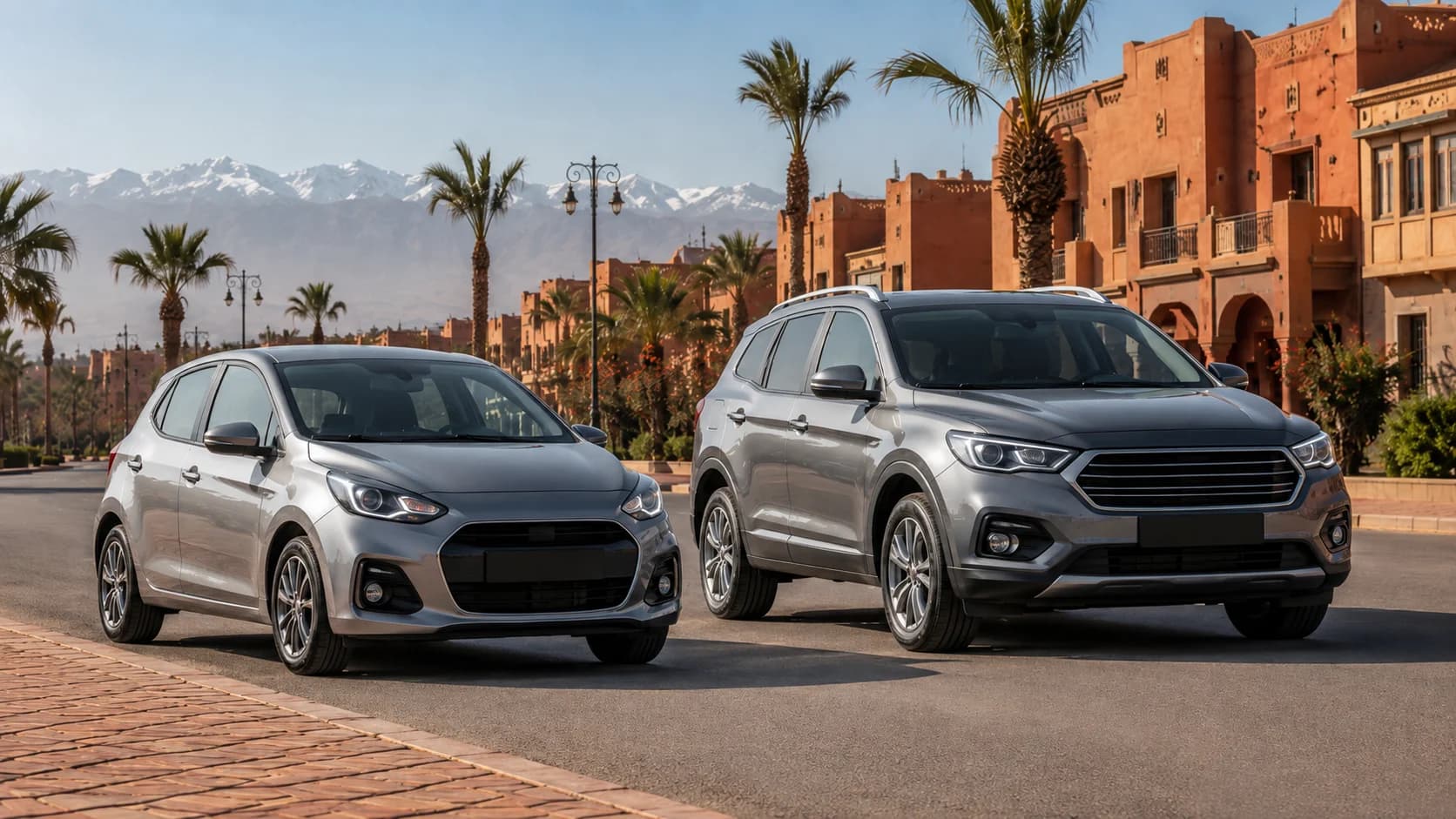
A small economy car can do the trip, but it may feel tiring with luggage, passengers and long mountain climbs. A higher-clearance SUV gives better comfort, better visibility and more confidence on rougher village access roads, hotel tracks and gravel parking areas. A proper 4x4 is best if you plan to stay near M’Hamid, meet a desert camp pickup point or explore approved piste sections with local guidance.
For this route, these are the best rental choices:
A 4x4 is the best choice for travelers who want maximum comfort and flexibility near the desert edge. It is especially useful for longer trips, photography stops, luggage, families and remote accommodation access. You can compare options through 4x4 rental Marrakech.
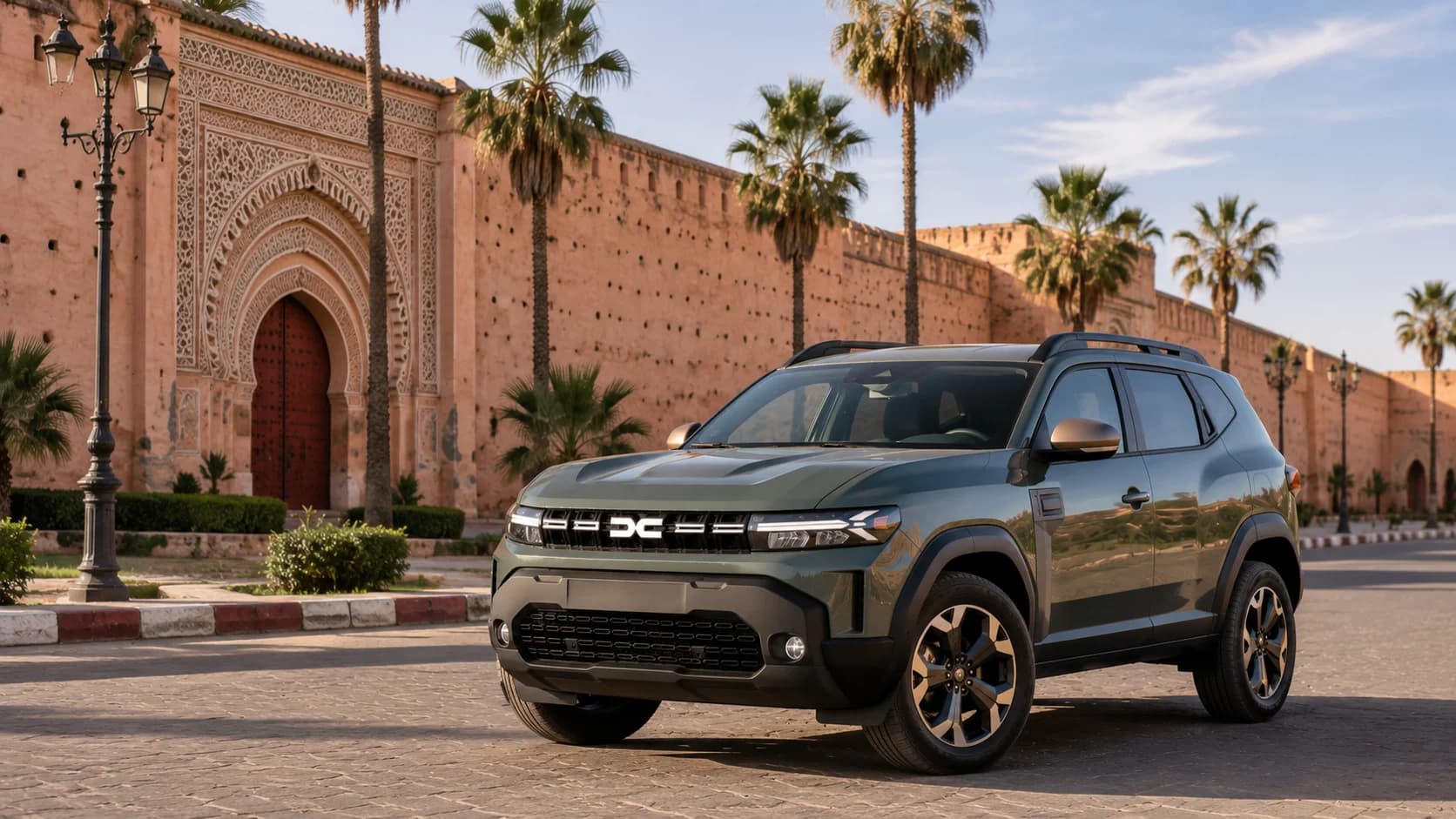
An SUV is the most balanced option for most travelers. It gives a higher driving position, good luggage space and a more relaxed feel on mountain roads without being too large for Marrakech pickup or hotel delivery. See available models through SUV rental Marrakech.
A 7-seater works well for families or small groups carrying bags, but it is not automatically a desert vehicle. It is useful for comfort and space, not for sand. For group travel, check 7 seater rental Marrakech.
Best stops: Agdz, Draa palm groves, Tamegroute
Agdz is one of the best places to slow down after the long mountain crossing. It sits at the entrance to the Draa Valley, with views of Jebel Kissane and nearby palm groves. It is a good lunch or coffee stop before continuing south.
The Draa palm groves are the heart of the route. Between Agdz and Zagora, the road passes kasbahs, ksour, small villages and long green ribbons of palms surrounded by dry land. The contrast is what makes the route special: one side feels alive and fertile, the other looks almost lunar.
Tamegroute is worth a stop before M’Hamid. It is known for pottery, religious heritage and its desert-road atmosphere. It also helps travelers understand that this region is not just a sand destination. It has old trade routes, local craft traditions, oasis agriculture and village life.
M’Hamid is the final paved-road base for travelers continuing toward the desert. From here, you can park at your guesthouse or at a meeting point arranged by a camp, then continue with a local driver into the dunes.
Fuel, water and remote-driving prep
Before leaving Marrakech, check your rental contract, insurance, spare tire, fuel policy and emergency contact. For a long route like this, it is better to solve small questions before departure instead of trying to fix them in the mountains.
Fill the tank before the Atlas crossing. You will find fuel along the route in larger towns, but the habit should be simple: never pass a reliable station in the south with a nearly empty tank. In Zagora or M’Hamid, fill again before returning north.
Carry more water than you think you need. Even if you are not walking in the desert, the route is hot for much of the year, and breakdowns or delays feel different in remote areas. Keep snacks, a charged phone, offline maps and a power bank in the car.
Do not rely only on estimated arrival times from map apps. They can be too optimistic because they do not fully account for local traffic, bends, police checks, photo stops, roadworks or slow trucks. Your best safety tool is time. Leave early, drive in daylight and avoid arriving tired after dark.
Two-day and three-day self-drive plans
A two-day plan is possible, but it is intense. It works best for travelers who want a desert taste, not a deep Sahara experience.
Day 1: Marrakech to Zagora
Leave Marrakech early. Cross Tizi n’Tichka, stop briefly for views, visit Aït Ben Haddou only if you are not rushed, then continue through Ouarzazate and Agdz to Zagora. Sleep in Zagora or near the palm grove.
Day 2: Zagora to Marrakech
Wake early, visit a nearby viewpoint or Tamegroute if time allows, then return to Marrakech through the same route. This is a long return day, so do not overfill the morning.
A three-day plan is much better.
Day 1: Marrakech to Ouarzazate or Agdz
Take time for Tizi n’Tichka and Aït Ben Haddou. Sleep in Ouarzazate or Agdz.
Day 2: Agdz to Zagora and M’Hamid
Drive slowly through the Draa Valley. Stop for palm groves, kasbah views and Tamegroute. Sleep in M’Hamid or take a local 4x4 transfer to a desert camp if arranged in advance.
Day 3: M’Hamid or Zagora to Marrakech
Return north with enough daylight for the Atlas crossing. Start early and do not plan too many stops.
If your goal is Erg Chigaga, three days is the minimum from Marrakech, and even then the trip is full. Four days feels much better.
When to hand over to a driver instead
Self-driving is a great choice if you enjoy road trips, want flexible stops and feel confident on mountain roads. But the desert route is not for every traveler.
Choose a driver instead if you arrive after a long flight, dislike mountain bends, want to rest during the journey, plan to return at night, or want to continue beyond M’Hamid into real desert terrain. A driver also makes sense for families who prefer a relaxed trip, photographers who want to focus on the landscape, or groups that need local timing and route management.
The most practical hybrid option is self-drive to Zagora or M’Hamid, then switch to a local desert 4x4 for the dunes. This gives you freedom on the road and safety in the desert.
For travelers who want control without stress, MarHire Car Marrakech can prepare desert-ready 4x4s and SUVs with unlimited kilometers, two-driver options and full insurance for the road to Zagora and M’Hamid.
FAQ
How long does it take to drive from Marrakech to Zagora?
It usually takes around 6 to 7 hours of driving without long stops. With Aït Ben Haddou, lunch, viewpoints and breaks, it becomes a full travel day.
How far is the Sahara from Marrakech?
Zagora is about 350 km from Marrakech by road and is often treated as the nearest practical desert gateway. For deeper dunes such as Erg Chigaga, you need to continue toward M’Hamid and then use a 4x4 track transfer.
Do I need a 4x4 to drive to the desert?
You do not need a 4x4 to reach Zagora on the paved road. A 4x4 or SUV is still more comfortable for the long Atlas route, luggage, remote accommodation access and desert-edge travel.
Is it safe to self-drive to the Moroccan desert?
Yes, if you are comfortable with mountain roads, drive in daylight, avoid rushing and prepare properly. The main risks are fatigue, bends, heat, slow traffic and remote sections rather than extreme off-road conditions.
Can you reach the dunes by rental car?
You can reach desert-edge towns such as Zagora and M’Hamid by road, but you should not drive a normal rental car into deep sand. For dunes like Erg Chigaga, use a local 4x4 driver.
Should I go to Zagora or Merzouga?
Choose Zagora for a shorter self-drive from Marrakech and a Draa Valley route. Choose Merzouga if you want bigger, more accessible dunes and have more days available.
How many days do I need for a desert road trip?
Two days is possible for Zagora but rushed. Three days is much better for Zagora and M’Hamid. Four days is better if you want Erg Chigaga without exhausting travel days.
Where do I park to ride into the dunes?
Most travelers park at a guesthouse, desert agency or agreed meeting point in M’Hamid, then continue with a local 4x4 or camel experience arranged by the camp.
Is there fuel along the Draa Valley?
Yes, fuel is available in towns along the route, especially Ouarzazate, Agdz and Zagora. Still, it is smart to refill before remote sections and before returning north.
Can I do Zagora in two days from Marrakech?
Yes, but it is a long drive both ways. For a more comfortable trip with proper stops in the Draa Valley, three days is strongly recommended.