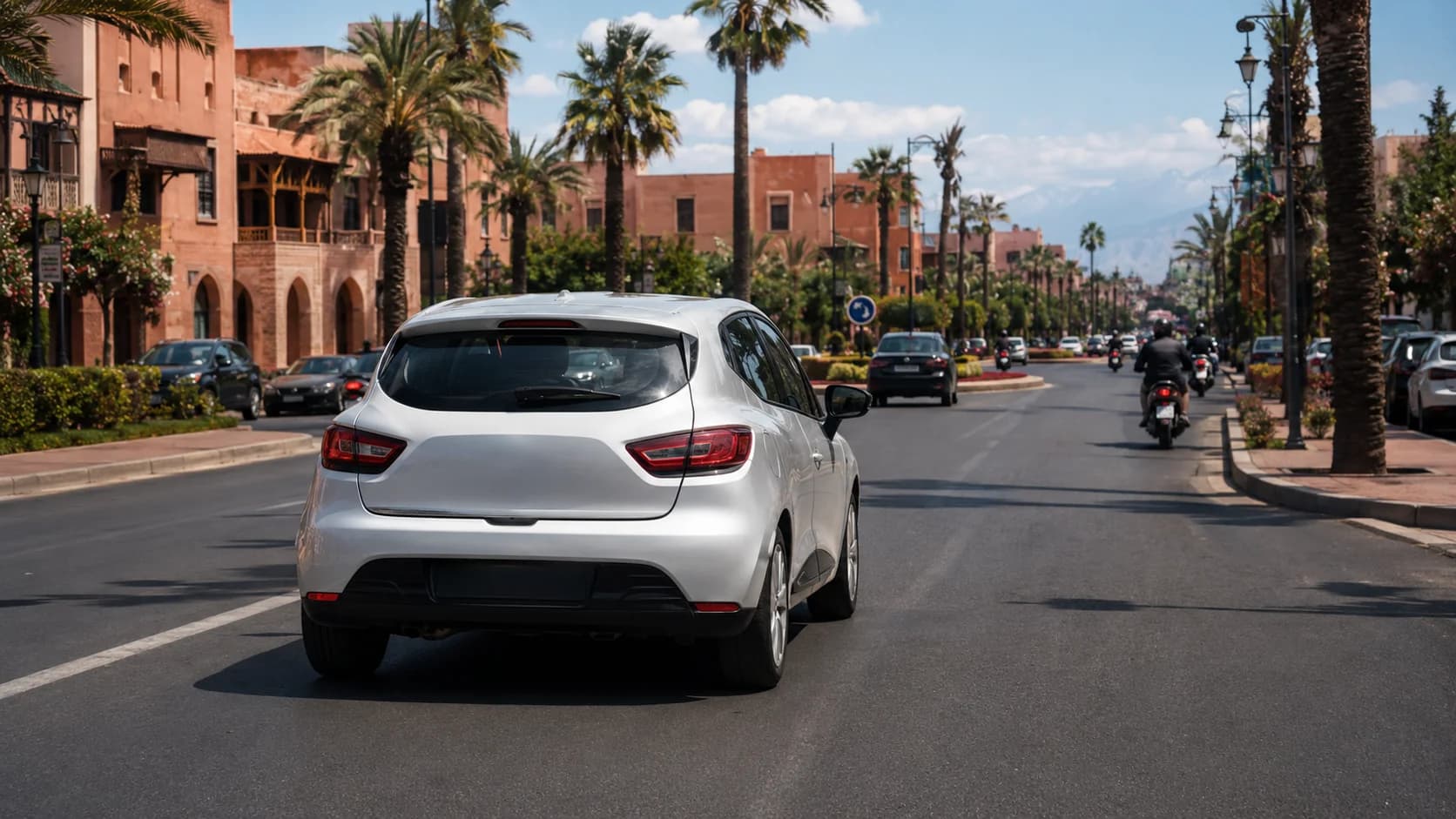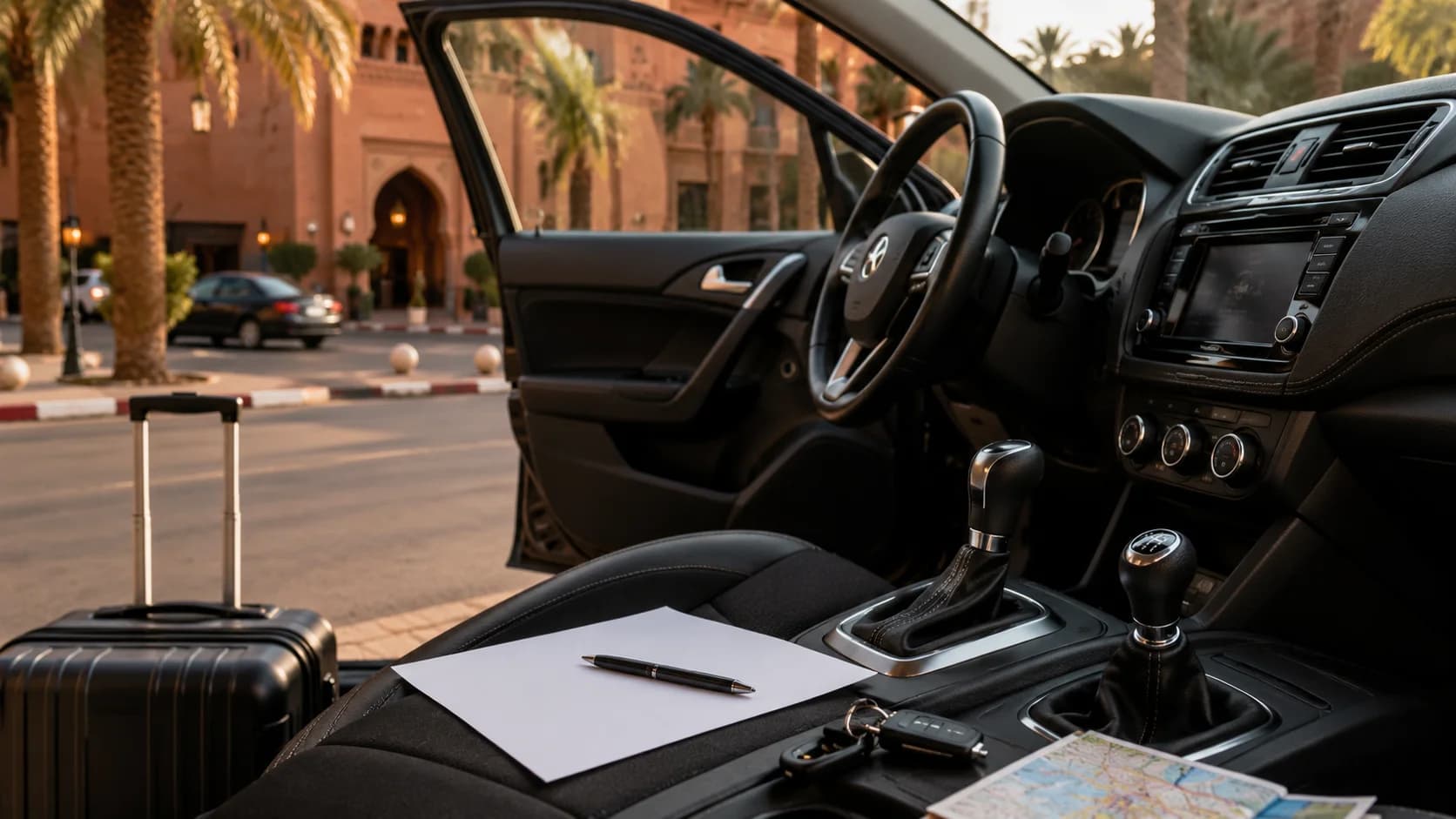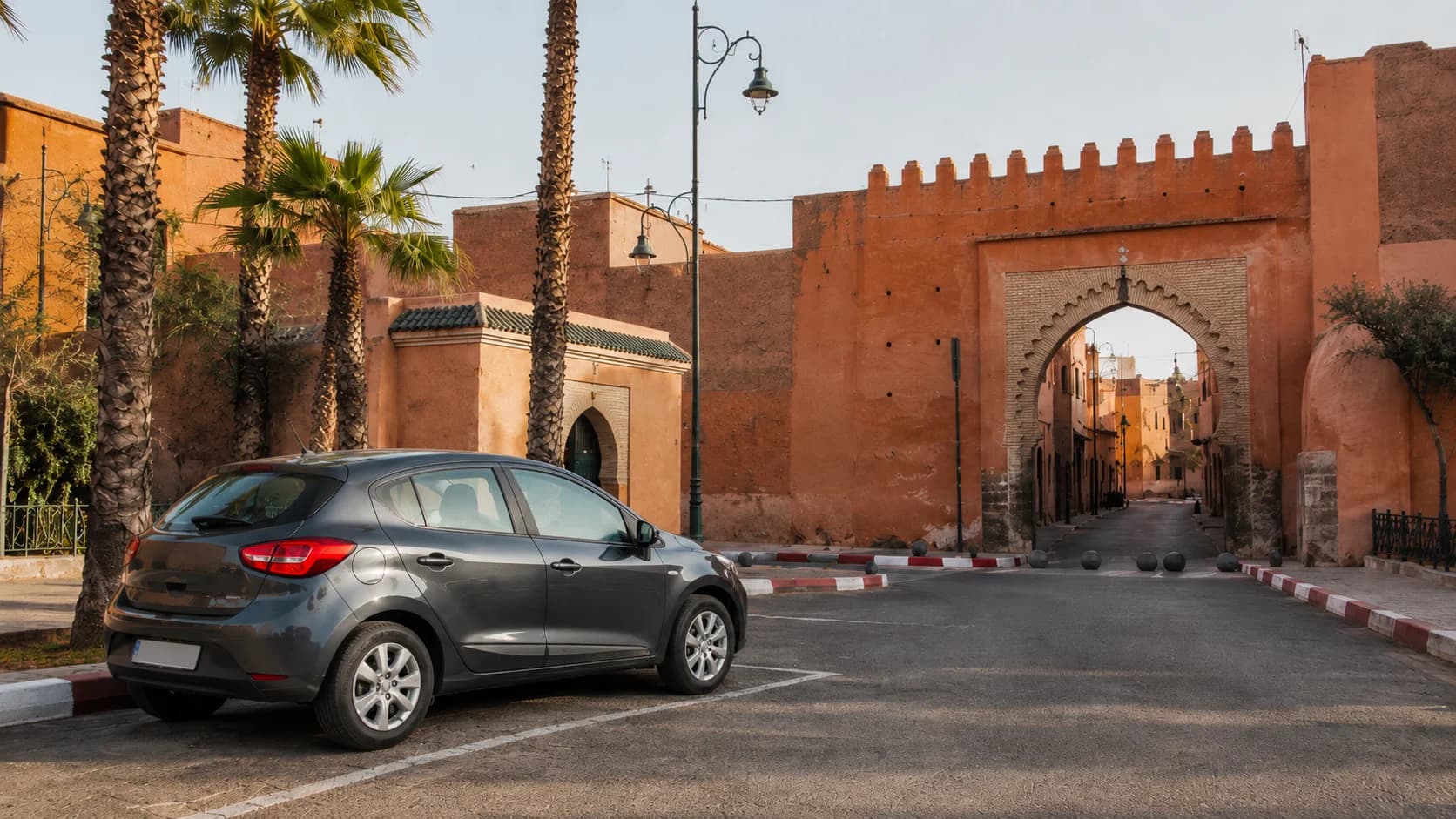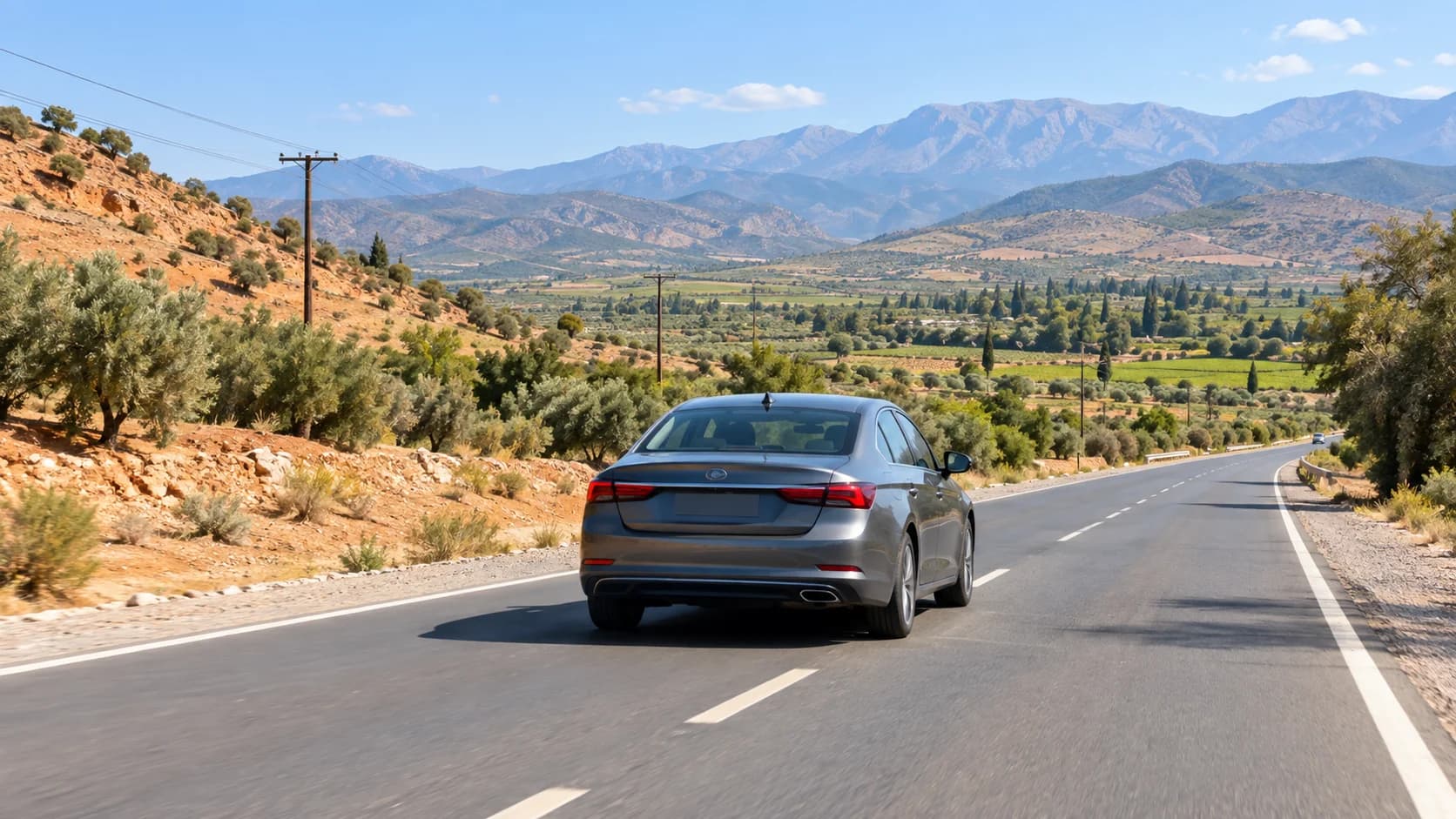








Driving around Marrakech is one of the best ways to explore Morocco independently. Whether you're heading into the Atlas Mountains, visiting Agafay Desert, exploring the Ourika Valley, or beginning a longer road trip across the country, you'll likely encounter police or Gendarmerie checkpoints along the way.
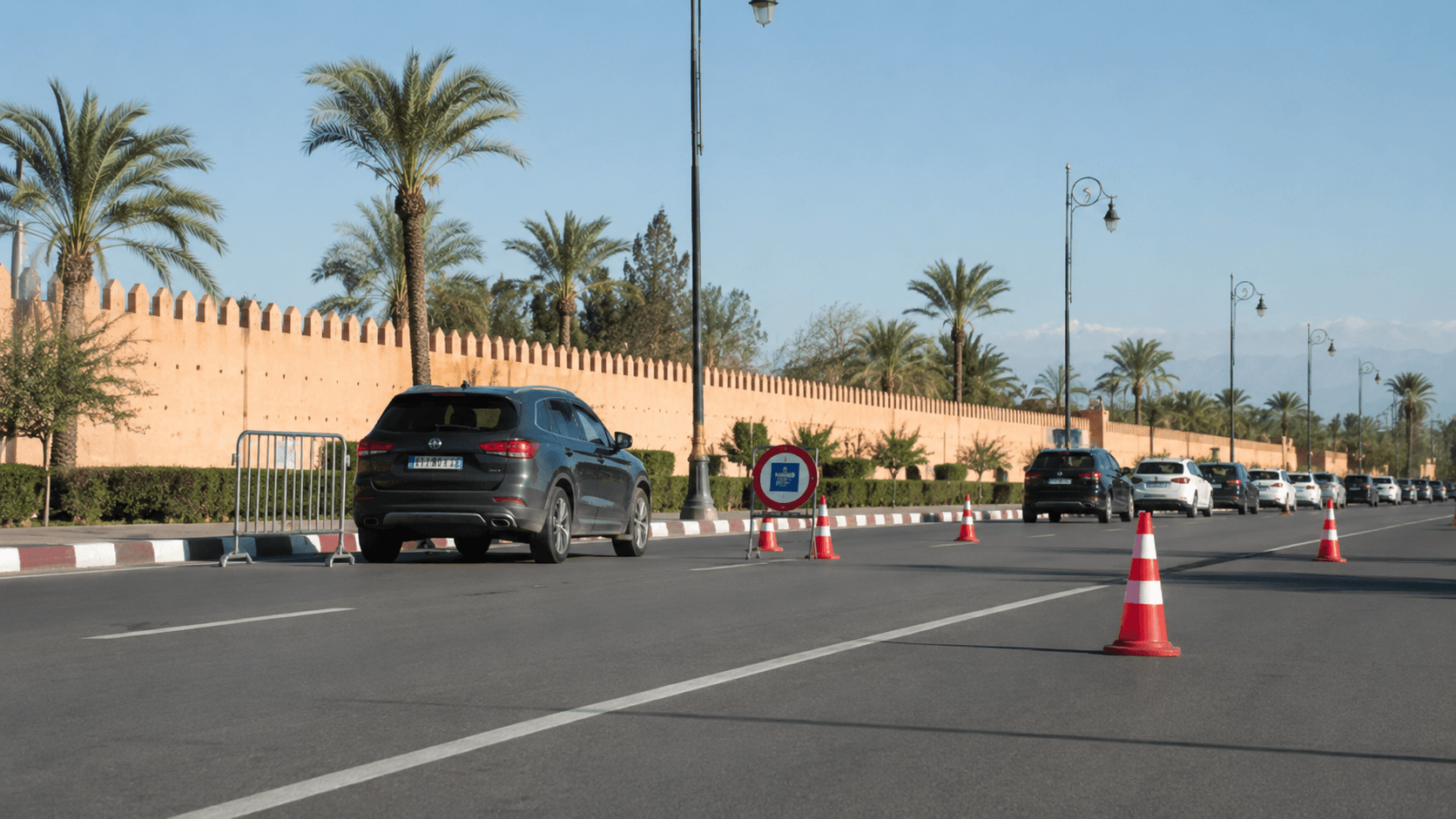
For many first-time visitors, seeing uniformed officers stopping vehicles can feel intimidating. In reality, police checkpoints Marrakech travelers encounter are a normal part of Morocco's road-safety system and are usually quick, professional, and straightforward.
The good news is that if you carry the correct documents and follow basic driving regulations, most checkpoint stops last only a few minutes. This guide explains exactly what tourists should expect, what paperwork to keep in the vehicle, and how to stay confident during any roadside check.
Why Checkpoints Around Marrakech Are Common (and Completely Normal)
Morocco has invested heavily in road safety over recent years, and checkpoints are one of the most visible parts of that effort.
Police and Gendarmerie officers routinely monitor roads to:
- Verify driving licences
- Check vehicle documentation
- Monitor traffic safety
- Enforce speed limits
- Assist travelers when necessary
- Improve security on major transport routes
Tourists often encounter checkpoints on roads leading to:
- Agafay Desert
- Ourika Valley
- Atlas Mountains
- Ouarzazate
- Casablanca
- Essaouira
- Agadir
If you're driving a rental car, being stopped does not mean you've done anything wrong. Officers frequently perform routine checks on local and tourist vehicles alike.
Most visitors are surprised by how quick and professional these interactions typically are.
Police vs. Gendarmerie Royale: Understanding the Difference
When driving in Morocco, you'll mainly encounter two types of authorities.
Police
Police generally operate within urban areas and city limits.
In Marrakech, police officers are commonly seen:
- Around major intersections
- Near tourist areas
- Along city boulevards
- At traffic-control points
They mainly focus on:
- Traffic regulation
- Urban road safety
- Driver compliance
Gendarmerie Royale
Outside the city, travelers commonly encounter the Gendarmerie Royale.
They are responsible for:
- Regional highways
- Rural roads
- Intercity routes
- National road monitoring
Many tourists first encounter Gendarmerie checkpoints while driving toward the Atlas Mountains or southern Morocco.
Both authorities are legitimate law-enforcement agencies. Stops are routine, and travelers should follow instructions calmly and respectfully.
Documents You Should Always Keep Within Reach
One of the easiest ways to make a checkpoint stress-free is to keep all required documents organized and accessible.
When driving in Morocco, you should carry:
Passport or Identification
A passport is the most common identification document requested from international visitors.
Valid Driving Licence
Your original driving licence should always be available.
International Driving Permit (When Applicable)
Many visitors drive legally using their domestic licence, but some nationalities benefit from carrying an International Driving Permit alongside their licence.
Vehicle Registration Documents
The vehicle registration proves that the car is legally registered.
Insurance Certificate
Officers may occasionally request proof of insurance coverage.
Rental Agreement
The rental contract confirms that you are authorized to operate the vehicle.
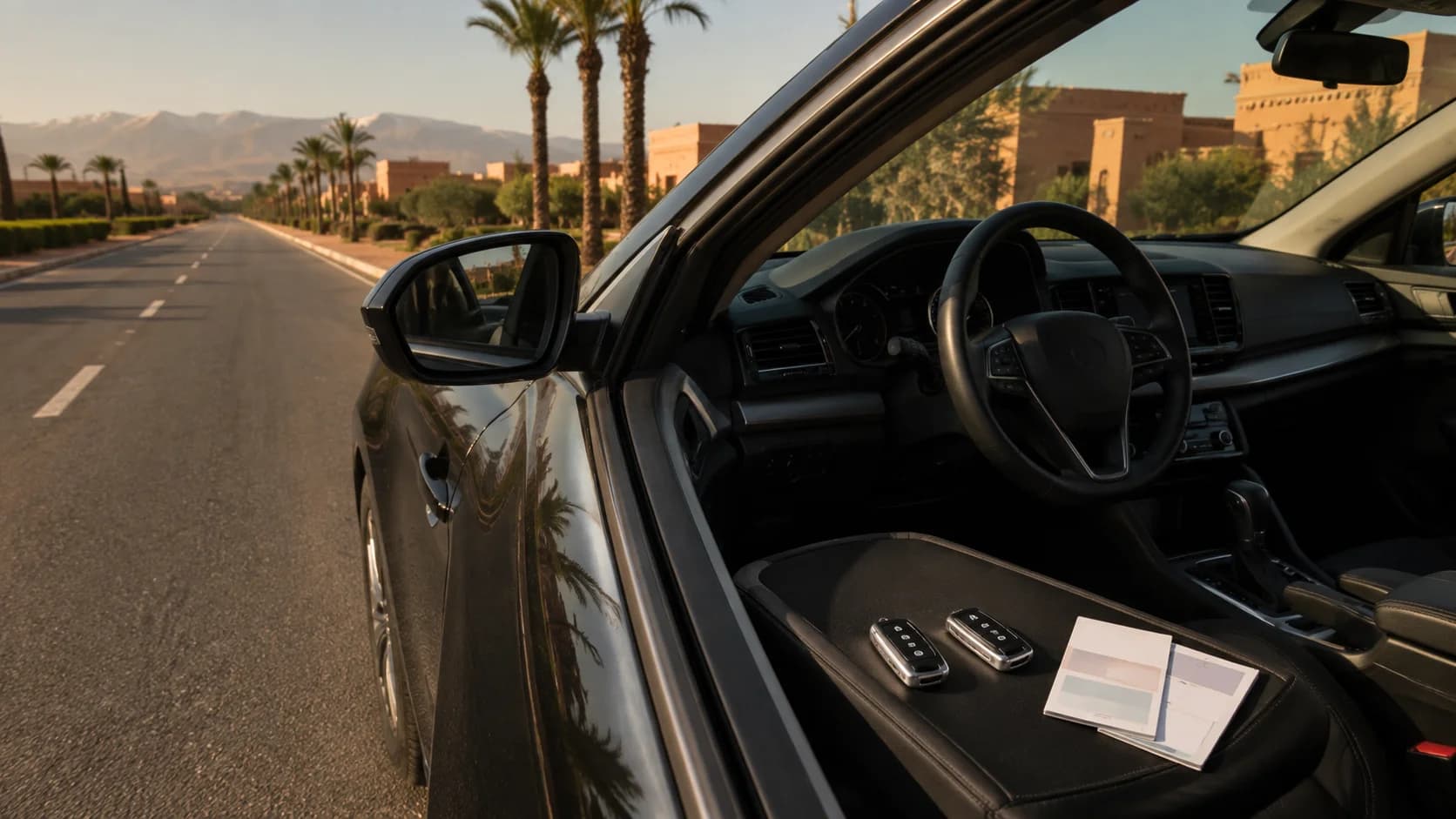
At MarHire Car Marrakech, all required rental documents are provided clearly at vehicle delivery, helping international visitors feel prepared before starting their journey.
What Officers Usually Ask During a Stop
Most driving in Marrakech police stops follow a simple and predictable process.
An officer may request:
- Driver identification
- Driving licence
- Vehicle registration
- Insurance documents
- Rental agreement
Occasionally, officers may ask:
- Where are you traveling?
- Where are you coming from?
- How long are you staying in Morocco?
These questions are routine and generally conversational.
If your paperwork is organized, many checkpoint interactions last less than five minutes.
The best approach is to:
- Lower your window
- Greet the officer politely
- Follow instructions
- Present requested documents calmly
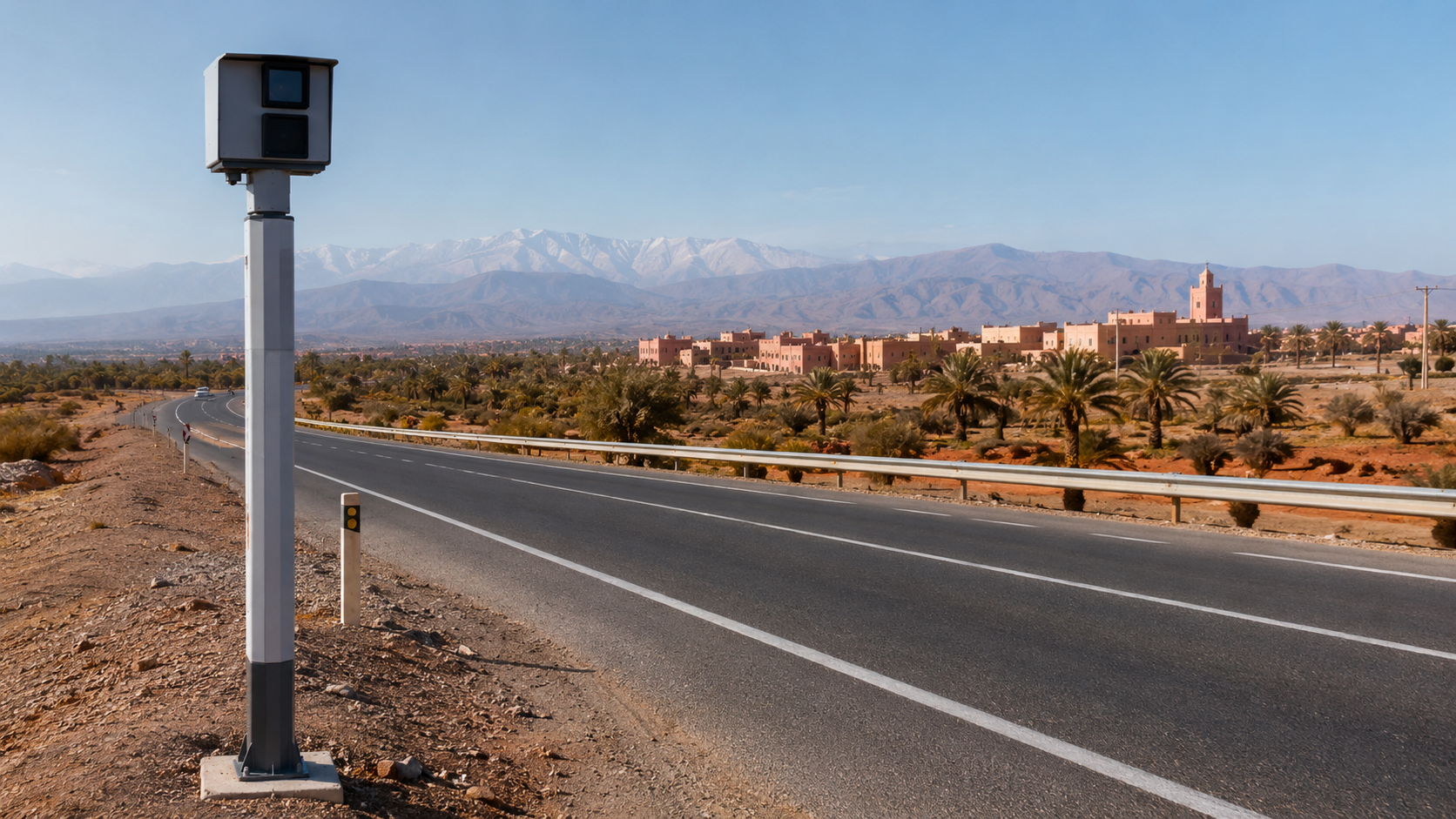
Speed Radar Zones Around Marrakech and How Fines Work
Many visitors searching for information about speed radar Marrakech are surprised to learn how common speed enforcement is throughout Morocco.
Speed controls help improve road safety and are particularly common on roads leaving major cities.
Frequently Monitored Routes
Drivers may encounter radar controls on roads toward:
- Agafay Desert
- Ourika Valley
- Ouarzazate
- Casablanca
- Agadir
- Essaouira
Fixed Radar Systems
Some roads use permanent speed-control devices.
Mobile Radar Controls
Police and Gendarmerie units may also conduct mobile speed checks.
These can appear on:
- National roads
- Highway exits
- Rural routes
- Intercity corridors
Respect Posted Speed Limits
Speed limits may change frequently as roads pass through villages and urban areas.
Many speeding fines occur when drivers fail to notice reduced limits entering populated zones.
Paying attention to road signs is one of the simplest ways to avoid unnecessary fines.
Paying a Fine Correctly (and What Not to Do)
If you receive a traffic fine, remain calm.
The officer will explain the violation and outline the official process.
Good Practice
- Listen carefully
- Ask questions politely if needed
- Request official documentation
- Keep any receipts provided
Avoid Misunderstandings
If something is unclear:
- Ask for clarification
- Review the paperwork carefully
- Confirm payment instructions
Never Attempt Unofficial Payments
A common myth among tourists is that roadside payments or "special arrangements" are expected.
They are not.
Visitors should always follow official procedures and never offer unofficial payments.
Maintaining professionalism protects both the traveler and the authorities involved.
Useful Language Tips for a Smooth Checkpoint Experience
You do not need to speak French or Arabic fluently to drive in Morocco.
However, a few basic phrases can make interactions easier.
Helpful French Phrases
- Bonjour (Hello)
- Merci (Thank you)
- Voici mes documents (Here are my documents)
- Je suis touriste (I am a tourist)
Helpful Arabic Greetings
- Salam Alaikum (Peace be upon you)
- Shukran (Thank you)
If You Don't Speak French or Arabic
Simply explain politely:
"English please?"
Many officers in tourist regions encounter international visitors every day and are accustomed to basic communication with non-French speakers.
Courtesy and patience are usually far more important than language skills.
Rental-Car Paperwork: What Visitors Need to Carry
Rental vehicles require additional documentation beyond your personal identification.
Always keep:
- Rental agreement
- Insurance certificate
- Vehicle registration documents
- Emergency contact information
Why Documentation Matters
Having complete paperwork demonstrates that:
- The vehicle is legally rented
- Insurance is active
- You are an authorized driver
What MarHire Car Marrakech Provides
Every rental includes:
- Rental contract
- Vehicle registration documents
- Insurance paperwork
- Emergency assistance information
Digital or Printed Copies?
Printed copies remain the safest option.
Digital backups on your phone can be useful, but travelers should carry physical documentation whenever possible.
If Documents Are Misplaced
Contact your rental provider immediately.
MarHire Car Marrakech's support team can assist customers with documentation questions and provide guidance if paperwork is lost during a trip.
Common Myths vs. Reality
Myth: Tourists Are Specifically Targeted
Reality: Checkpoints stop both locals and visitors. Most checks are routine.
Myth: Every Checkpoint Means Something Is Wrong
Reality: The majority of stops are preventive safety checks.
Myth: You Must Speak French
Reality: Basic communication is usually sufficient, especially in tourist regions.
Myth: Police Expect Bribes
Reality: Morocco's traffic enforcement system operates through official procedures and documentation.
Myth: Rental Cars Receive Extra Scrutiny
Reality: Rental vehicles are common throughout Morocco and officers regularly deal with tourists.
Understanding these realities helps reduce unnecessary anxiety before a road trip.
Staying Relaxed: Practical Do's and Don'ts
Do
- Slow down safely when approaching checkpoints
- Follow instructions carefully
- Keep documents organized
- Remain polite and respectful
- Ask questions if uncertain
Don't
- Reach suddenly for documents
- Argue unnecessarily
- Ignore instructions
- Attempt unofficial payments
- Drive away until authorized
Most interactions are routine and completed within minutes.
For travelers who keep their paperwork organized and respect local traffic laws, checkpoints are simply another normal part of driving in Morocco.
Final Thoughts
Seeing a checkpoint for the first time can be surprising, but experienced travelers quickly learn that Marrakech police checks tourists encounter are usually straightforward and professional.
Whether you're driving to Agafay, crossing the Atlas Mountains, heading toward Ouarzazate, or exploring Morocco's Atlantic coast, carrying the correct documents and respecting speed limits will help ensure a smooth experience.
The key is preparation.
With proper paperwork, a valid licence, insurance documentation, and a well-maintained rental vehicle, most checkpoint stops become quick formalities rather than stressful situations.
Frequently Asked Questions
Are police checkpoints in Marrakech a problem for tourists?
No. Checkpoints are a normal part of road safety and security in Morocco. Most stops are routine and completed within a few minutes.
What documents must I show at a checkpoint in Marrakech?
You should carry your passport, driving licence, International Driving Permit (if applicable), rental contract, vehicle registration, and insurance documents.
How are speeding fines handled in Marrakech?
If an officer determines that a violation occurred, they will explain the situation and provide information about the official fine process.
Should I worry about bribes during a police stop?
No. Travelers should always follow official procedures and never attempt unofficial payments.
Do I need to carry my rental contract while driving?
Yes. The rental agreement is one of the documents that may be requested during a roadside inspection.
What's the difference between Police and Gendarmerie Royale?
Police primarily operate within Marrakech city, while the Gendarmerie Royale commonly patrols regional roads and highways outside urban areas.
What if I don't speak French or Arabic?
Most checkpoint interactions are simple. Basic English, patience, and polite communication are usually sufficient.
Drive Marrakech with Complete Peace of Mind
Exploring Morocco should be exciting, not stressful.
MarHire Car Marrakech provides every customer with complete rental documentation, insurance paperwork, and dedicated support to help make driving around Marrakech and beyond as smooth as possible.
Whether you're exploring the Medina, driving through the Atlas Mountains, or heading toward the Sahara, you'll have the paperwork you need and local assistance whenever questions arise.
Looking for affordable options? Explore our:
Start your Morocco road trip with confidence and enjoy the freedom to discover the country at your own pace.