







Marrakech is one of the world's most popular city-break destinations, attracting visitors year-round with its colourful souks, historic palaces, desert landscapes and access to the Atlas Mountains. However, the experience can vary dramatically depending on when you visit. Temperatures can range from pleasant spring afternoons to intense summer heat exceeding 40°C (104°F).
Understanding Marrakech's seasons helps travellers choose the right time to visit and prepare properly for driving conditions. Whether you're planning a city break, a road trip through southern Morocco, or a family holiday, this guide explains the best time to visit Marrakech and how to stay comfortable and safe when driving during Morocco's hottest months.
Marrakech Seasons at a Glance
One reason people search for the best time to visit Marrakech is that the city offers completely different experiences throughout the year.
| Season | Months | Average Day Temperature | Travel Conditions |
|---|---|---|---|
| Spring | March-May | 22°C-31°C | Excellent |
| Summer | June-August | 35°C-45°C+ | Very Hot |
| Autumn | September-November | 24°C-34°C | Excellent |
| Winter | December-February | 18°C-23°C | Mild |
Unlike coastal Moroccan cities such as Essaouira or Tangier, Marrakech sits inland and experiences a much drier climate. Summer temperatures are significantly higher than many visitors expect, especially in July and August.
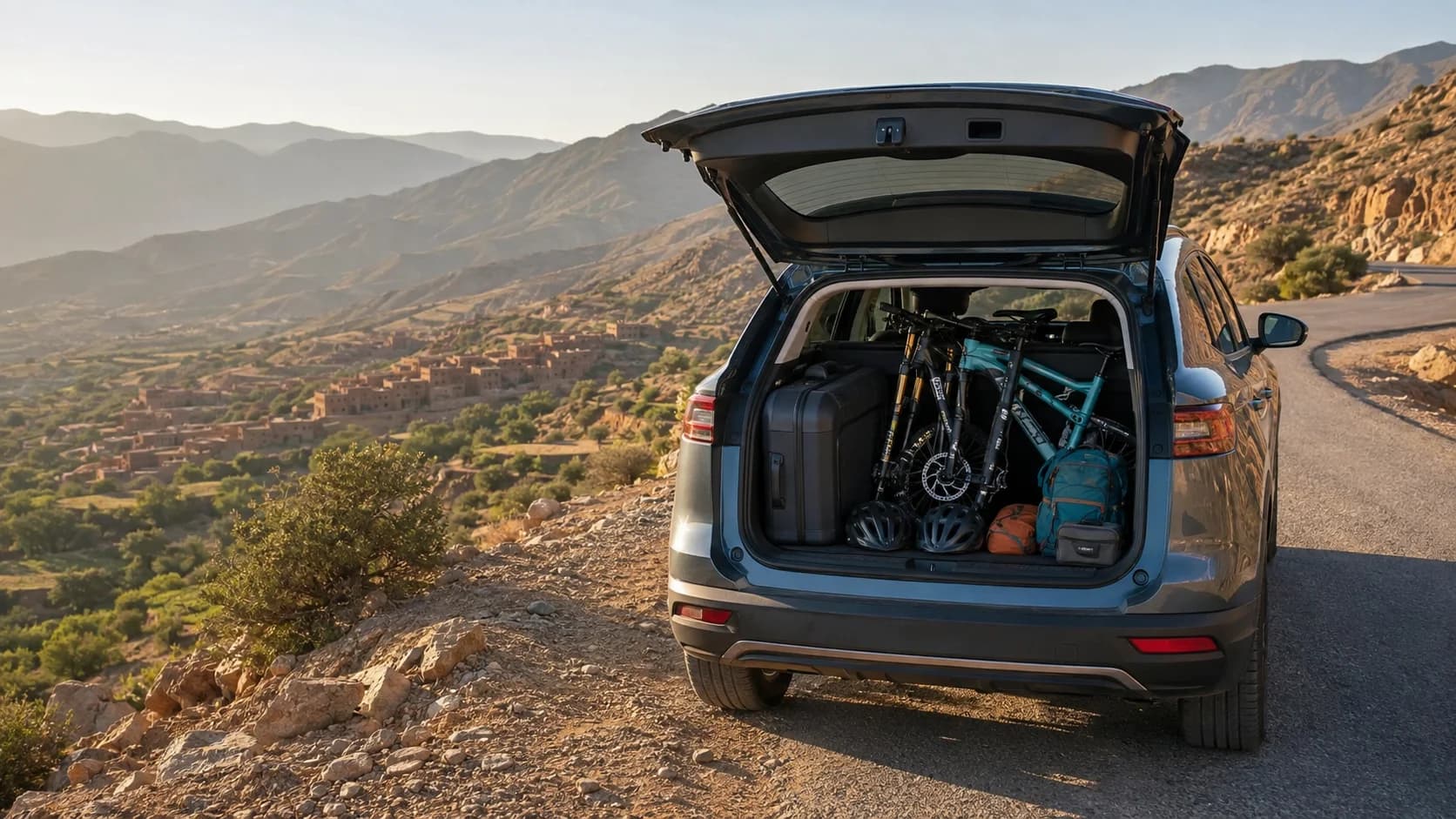
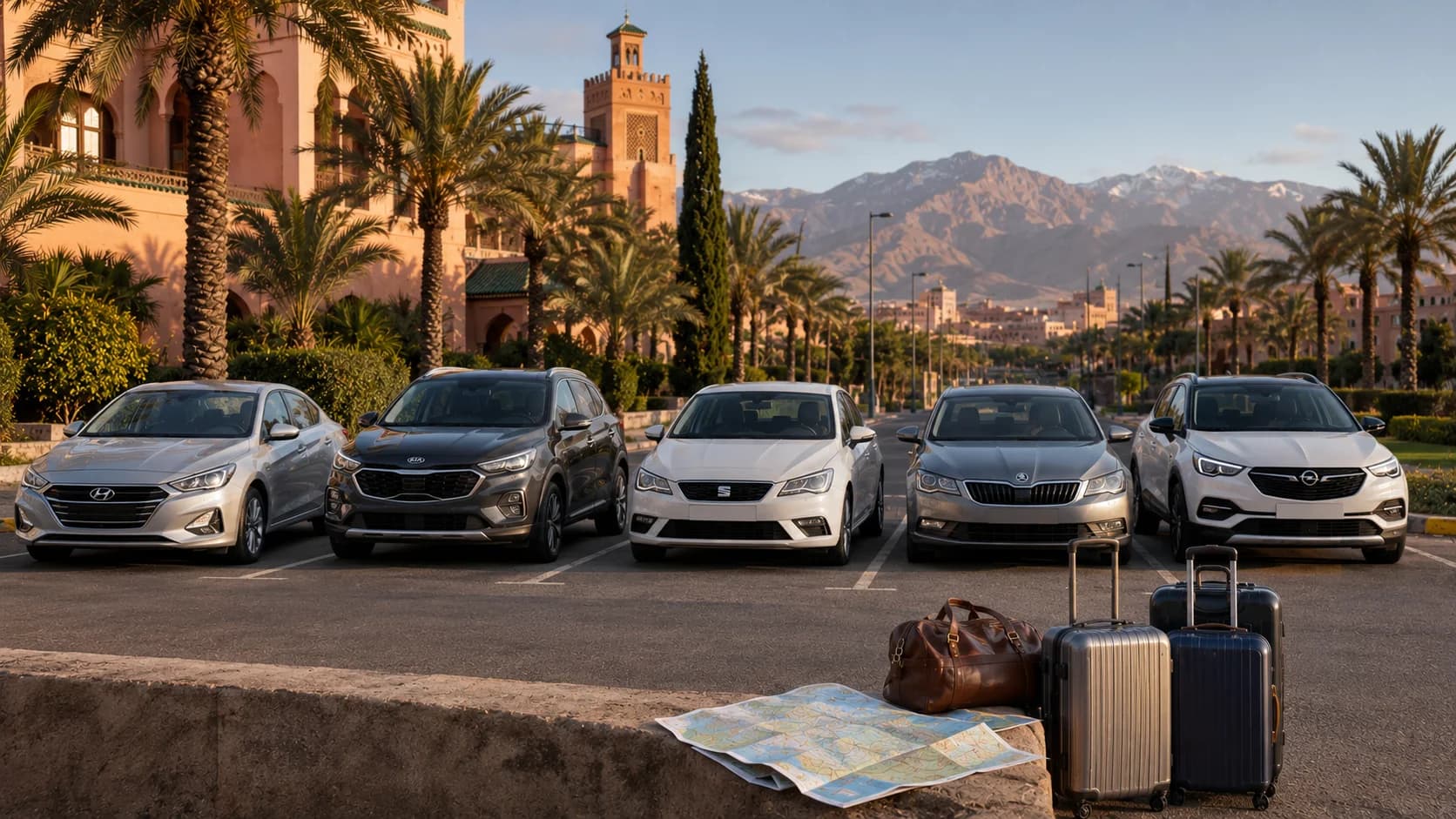
For travellers who plan to explore beyond the city, renting a vehicle gives access to the Atlas Mountains, Agafay Desert and coastal destinations while avoiding the limitations of organised tours.
Spring and Autumn: The Sweet Spots
If someone asks locals about the best time to visit Marrakech, the answer is usually spring or autumn.
Spring (March to May)
Spring is arguably Marrakech at its best.
Visitors enjoy:
- Warm sunny days
- Comfortable evenings
- Green Atlas Mountain landscapes
- Ideal sightseeing conditions
- Excellent road-trip weather
Temperatures typically range between 22°C and 31°C, making it comfortable for exploring the medina, gardens and nearby attractions.
Popular day trips during spring include:
- Ourika Valley
- Ouzoud Waterfalls
- Atlas Mountains
- Agafay Desert
Driving conditions are also excellent, with minimal weather-related challenges.
Autumn (September to November)
Autumn offers similar benefits.
Summer heat gradually fades while:
- Tourist numbers decrease
- Roads become less crowded
- Hotel prices often improve
- Outdoor activities become more enjoyable
October is often considered one of the best months for a Morocco road trip.
Summer: Heat, Crowds and What to Expect
Summer in Marrakech is very different from summer in Europe.
How Hot Does Marrakech Get?
The Marrakech temperature in July regularly reaches:
- 40°C (104°F)
- 42°C (108°F)
- Sometimes 45°C+ (113°F)
August is similarly hot.
Unlike humid climates, Marrakech heat is generally dry. While this makes it slightly more tolerable, prolonged exposure remains challenging.
Summer Advantages
Despite the heat, summer still offers:
- Long daylight hours
- School holiday availability
- Excellent swimming weather
- Fewer tourists in the city centre during midday
Summer Challenges
Visitors should expect:
- Intense afternoon temperatures
- Very hot parked vehicles
- Increased AC usage
- Greater dehydration risk
- Hot steering wheels and seats
Planning activities around the weather becomes essential.
Winter in Marrakech
Winter is often overlooked but can be an excellent time to visit.
Daytime temperatures usually stay between 18°C and 23°C.
Advantages include:
- Lower accommodation prices
- Comfortable sightseeing
- Fewer crowds
- Easier restaurant reservations
Evenings can become surprisingly cool, especially in December and January.
While swimming weather is less reliable, winter is ideal for exploring the city and taking road trips throughout Morocco.
Driving in Extreme Summer Heat Safely
Many visitors search for summer driving Morocco heat advice before arriving.
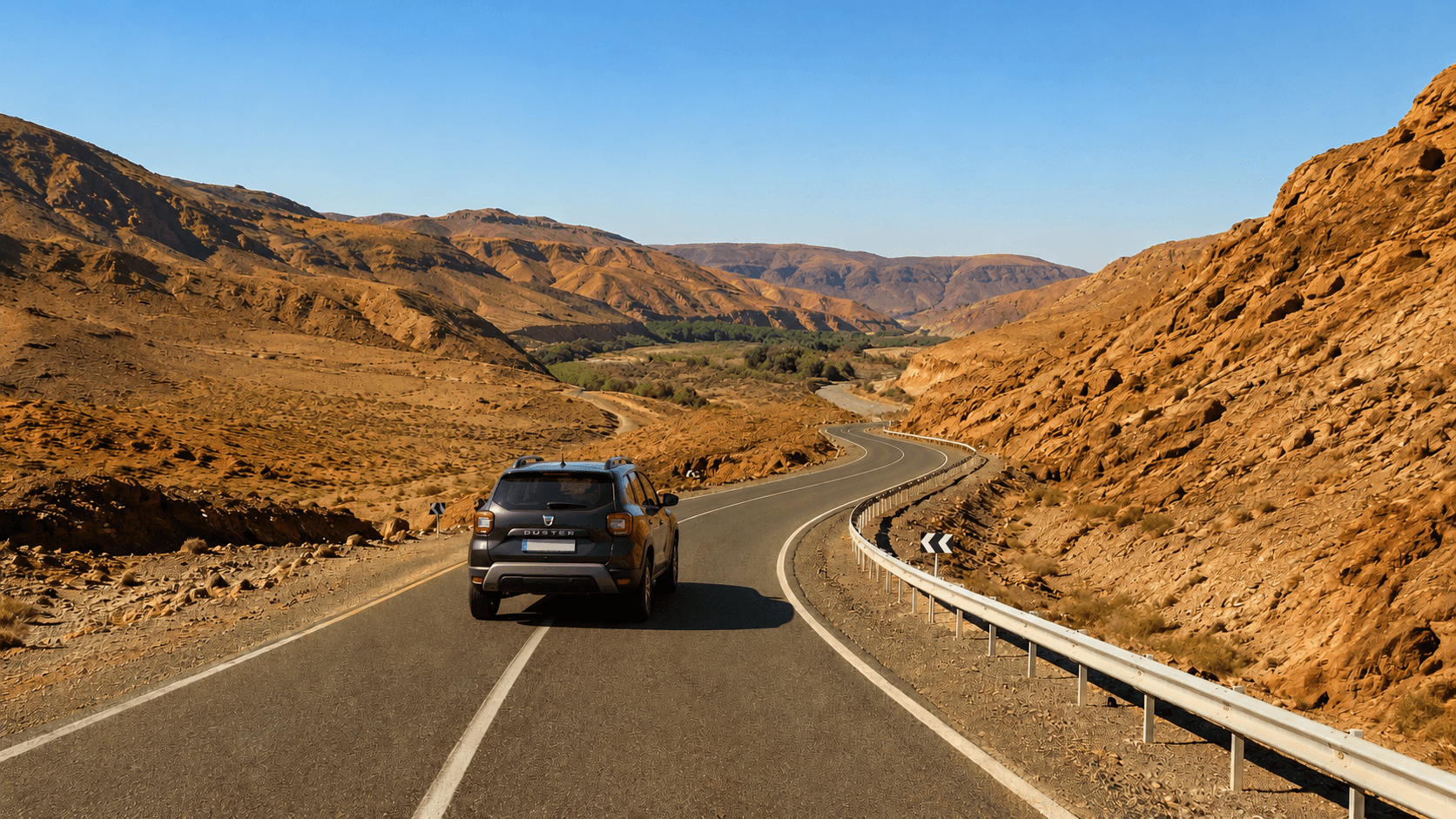
The good news is that Morocco's road network is generally modern and well maintained. The key challenge is managing the heat rather than the roads themselves.
Plan Ahead
Before departing:
- Check route distances
- Confirm fuel stations
- Carry water
- Charge your phone
- Review weather forecasts
Allow Extra Time
Summer driving often requires:
- More rest stops
- Cooling breaks
- Slower travel during peak temperatures
Avoid rushing long journeys.
Monitor Vehicle Performance
Pay attention to:
- Temperature gauges
- Warning lights
- AC performance
- Tyre pressure alerts
Any unusual behaviour should be investigated immediately.
Air-Con, Coolant and Tyre Checks
Heat affects both drivers and vehicles.
Air Conditioning
Reliable air conditioning becomes more than a comfort feature in summer, it becomes a safety feature.
Modern rental vehicles should provide:
- Strong cooling
- Consistent airflow
- Comfortable cabin temperatures
Travellers seeking newer vehicles often prefer options available through dedicated categories such as SUV Rental Marrakech or premium sedans.
Coolant
Engine coolant prevents overheating.
Drivers should:
- Watch temperature indicators
- Stop if warning lights appear
- Never ignore overheating symptoms
Tyres
High road temperatures increase tyre stress.
Before long journeys:
- Check tyre condition
- Confirm correct pressure
- Avoid overloaded vehicles
Hot asphalt can become significantly warmer than the surrounding air temperature.
Best Times of Day to Drive in Summer
One of the most useful driving Morocco in summer tips is choosing the right time of day.
Early Morning
The best option.
Benefits include:
- Cooler temperatures
- Less traffic
- Better visibility
- More comfortable sightseeing stops
Late Afternoon
A second good choice.
Temperatures begin to decrease and sunlight becomes less harsh.
Midday
Whenever possible, avoid long drives between:
- 12:00 PM
- 4:00 PM
This is usually the hottest period of the day.
Many experienced travellers use these hours for:
- Lunch
- Museum visits
- Hotel breaks
- Pool time
Then resume driving later.
Hydration and Sun Protection on the Road
Heat affects concentration.
Even mild dehydration can lead to:
- Fatigue
- Slower reactions
- Reduced focus
Always Carry Water
A simple rule:
Bring more water than you think you'll need.
For longer journeys:
- Multiple bottles per passenger
- Electrolyte drinks
- Light snacks
Protect Yourself from the Sun
Useful items include:
- Sunglasses
- Sunscreen
- Hat or cap
- UV-protective clothing
Even inside a vehicle, prolonged sun exposure can be significant during summer road trips.
Desert and Mountain Summer Cautions
Many tourists leave Marrakech for Morocco's famous landscapes.
Summer conditions vary considerably depending on location.
Desert Regions
Areas such as:
- Zagora
- Merzouga
- Erfoud
can become extremely hot during July and August.
Expect:
- Intense sun
- Long distances between services
- Higher water requirements
Always ensure your fuel tank remains adequately filled.
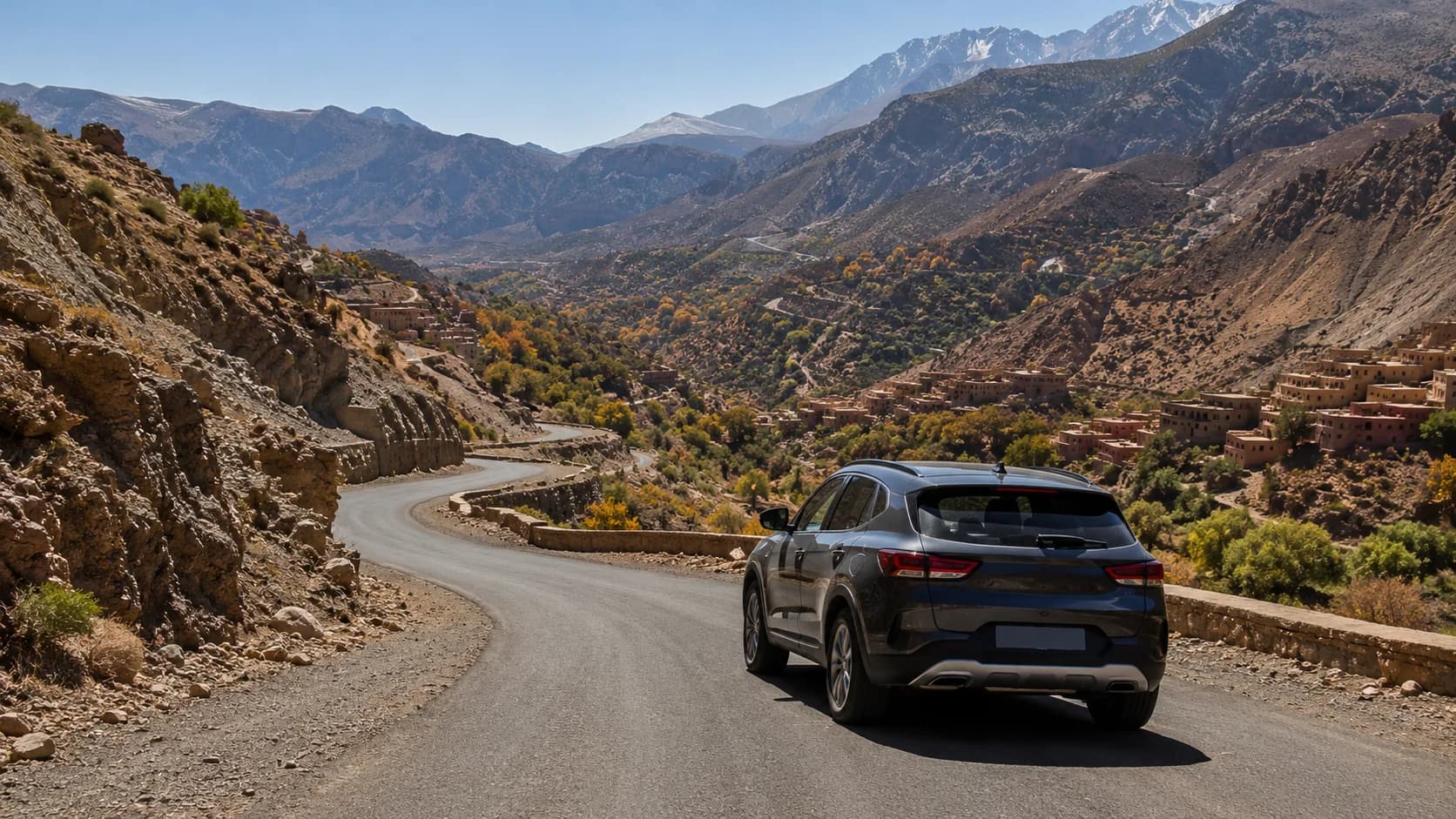
Atlas Mountains
The mountains provide relief from city heat.
Temperatures are often noticeably cooler at higher elevations.
However:
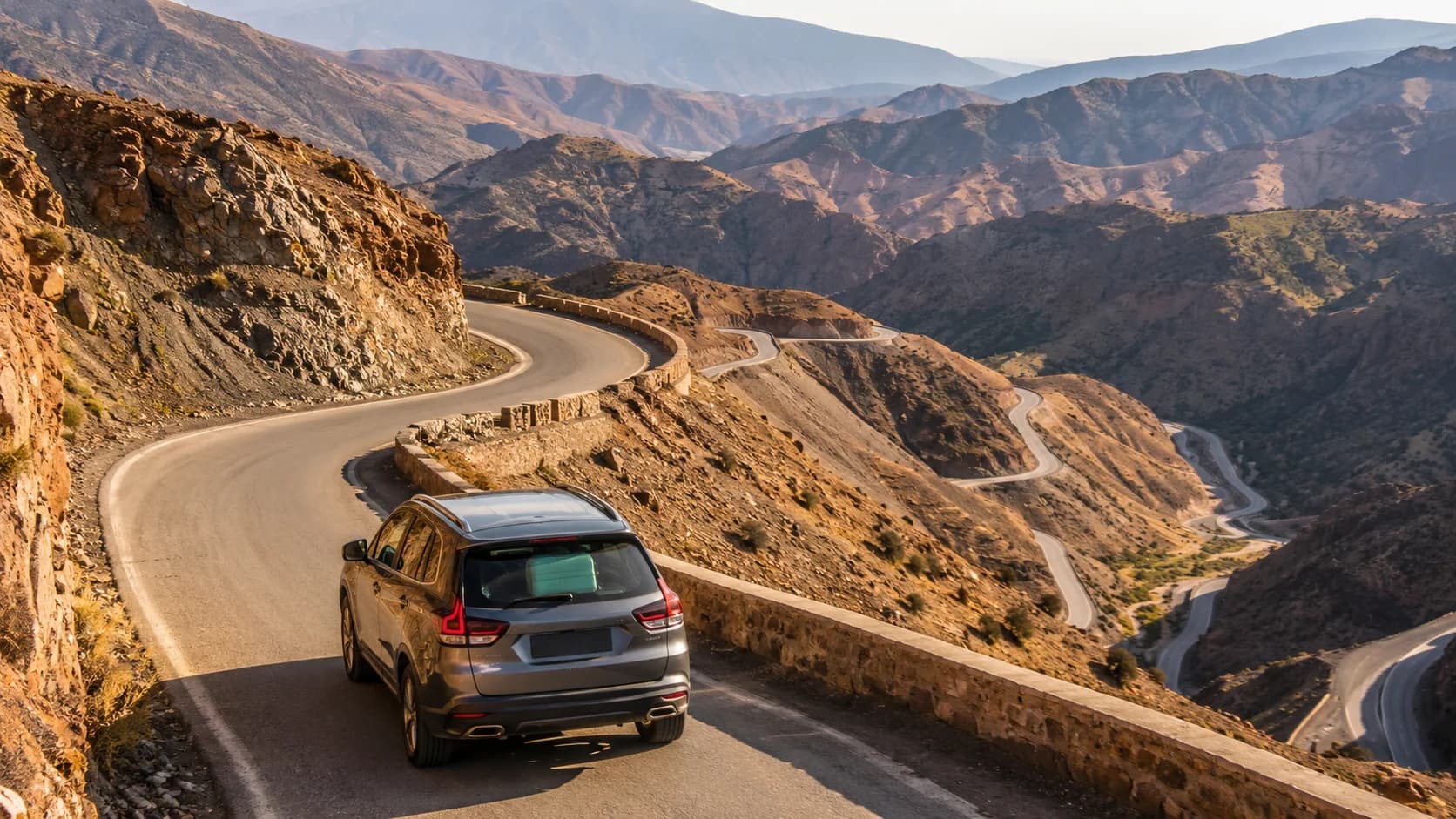
- Roads can be winding
- Driving times may be longer than expected
- Afternoon storms occasionally develop
Mountain drives remain among Morocco's most rewarding summer experiences.
Best Car Features for Hot-Weather Comfort
The right vehicle can dramatically improve a summer trip.
Strong Air Conditioning
The single most important feature.
Comfortable Seating
Long drives become easier with:
- Supportive seats
- Adjustable driving positions
- Good cabin insulation
Larger Cabin Space
Families often appreciate:
- Better airflow
- More legroom
- Additional luggage capacity
Modern Safety Systems
Features such as:
- Cruise control
- Stability control
- Parking sensors
can make longer summer journeys less stressful.
Travellers looking for value-focused options can compare vehicles through Cheap Car Rental Marrakech while those prioritising comfort may prefer larger vehicles.
Season-by-Season Car Recommendations
Spring
Best choice:
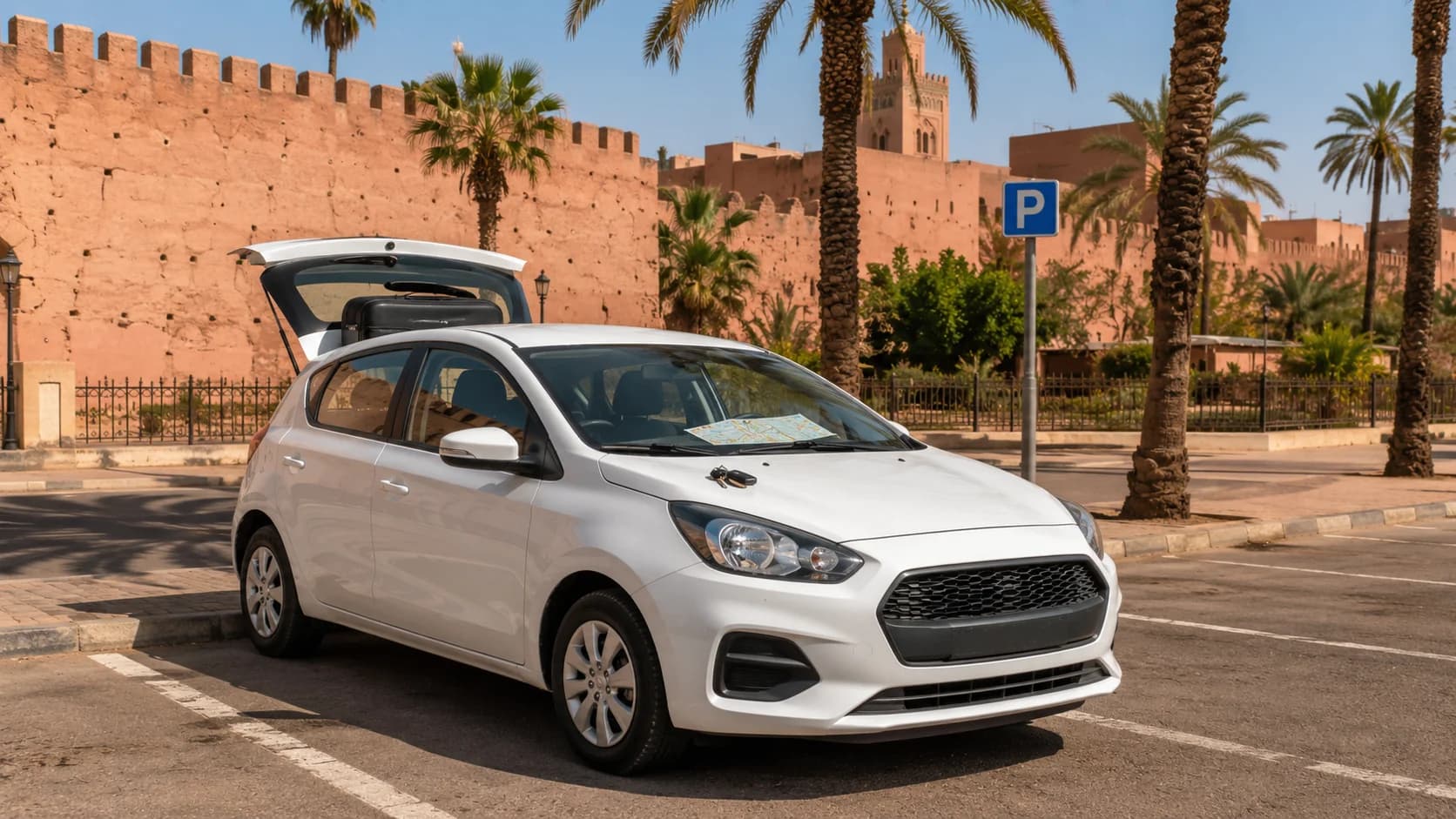
- Compact hatchback
- Small SUV
- Economy car
Ideal for:
- City exploration
- Atlas day trips
- Coastal drives
Summer
Best choice:
- Modern sedan
- Mid-size SUV
- Automatic vehicle with strong AC
Comfort becomes more important during extended heat exposure.
Travellers planning longer road trips often choose vehicles from the Sedan Rental Marrakech category because of their balance between comfort and fuel efficiency.
Autumn
Best choice:
- Almost any vehicle category
Road conditions are generally ideal throughout Morocco.
Winter
Best choice:
- Compact city car for Marrakech stays
- SUV for mountain regions
Travellers heading toward higher elevations may appreciate additional ground clearance and stability.
Final Thoughts
For most visitors, the best time to visit Marrakech is spring (March to May) or autumn (September to November). These seasons combine comfortable temperatures, excellent sightseeing conditions and ideal weather for exploring Morocco by road.
Summer remains a popular period, particularly for families and school holidays, but visitors should prepare for extreme heat and adapt their driving habits accordingly. Choosing the right vehicle, staying hydrated, using air conditioning wisely and avoiding the hottest hours of the day can make a significant difference.
Whether you're visiting during a mild spring week or the height of summer, proper planning helps ensure a safer, more comfortable and more enjoyable Moroccan adventure.
FAQ
When is the best time to visit Marrakech?
Most travellers consider March to May and September to November the best times thanks to warm temperatures and comfortable sightseeing conditions.
How hot does Marrakech get in summer?
July and August regularly reach 40°C to 45°C, with occasional higher temperatures during heatwaves.
Is it safe to drive in Morocco in the heat?
Yes. Modern roads and rental vehicles make summer driving safe when travellers stay hydrated, monitor vehicle conditions and avoid excessive midday driving.
Does my rental have working air-con?
Most modern rental vehicles include air conditioning. Always confirm this before booking, especially during summer.
What car is best for hot weather?
A modern sedan or SUV with reliable air conditioning, comfortable seating and good cabin insulation is typically the best choice.
Should I avoid driving at midday in summer?
If possible, yes. The period between noon and late afternoon is usually the hottest part of the day and can be less comfortable for long journeys.
Travelling During Marrakech's Hottest Months?
MarHire Car Marrakech provides new-model vehicles with reliable air conditioning, full insurance options, airport delivery, and 24/7 WhatsApp support. Whether you need an economical city car or a comfortable SUV for a Morocco road trip, you'll stay comfortable whatever the season.