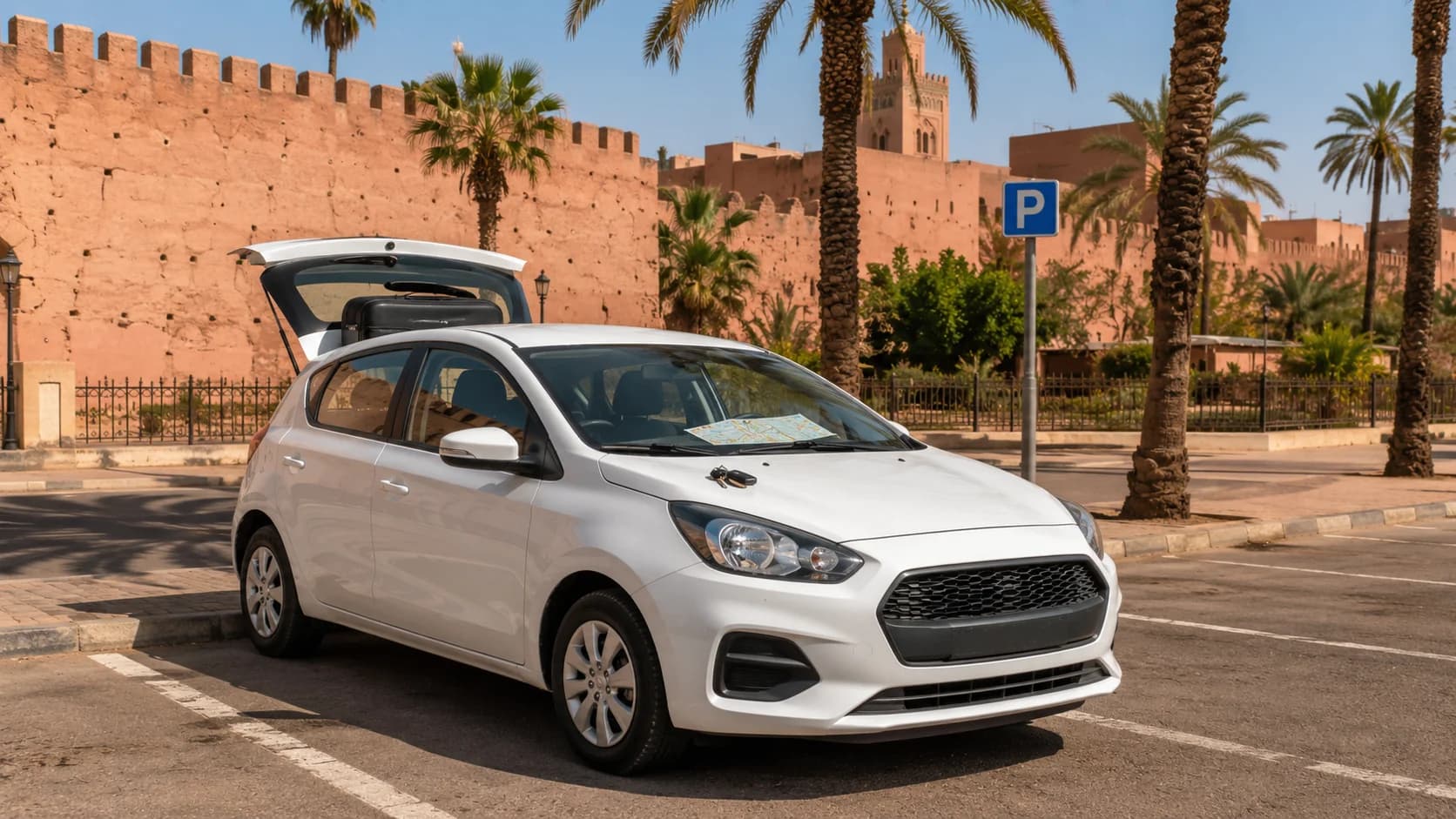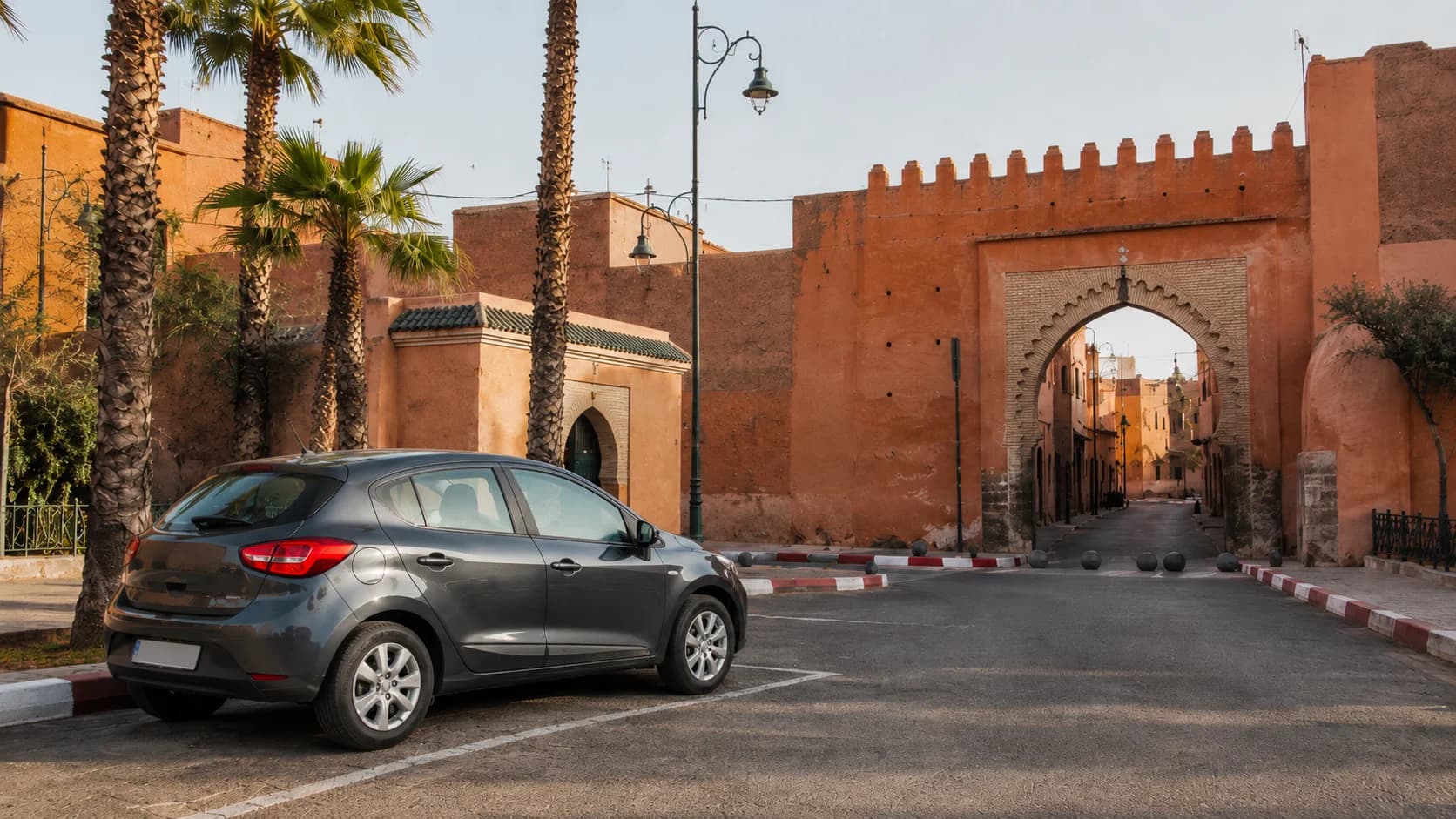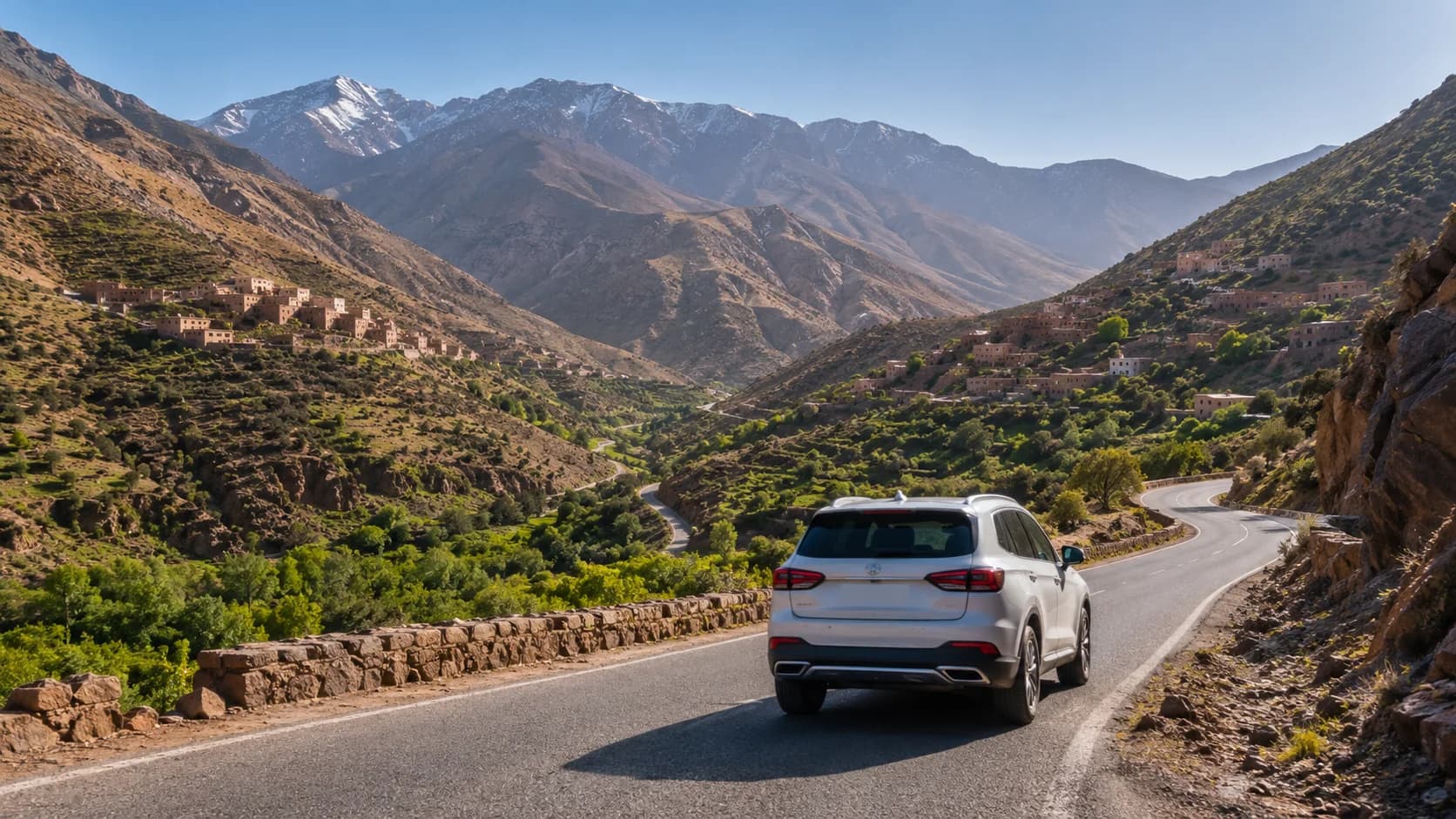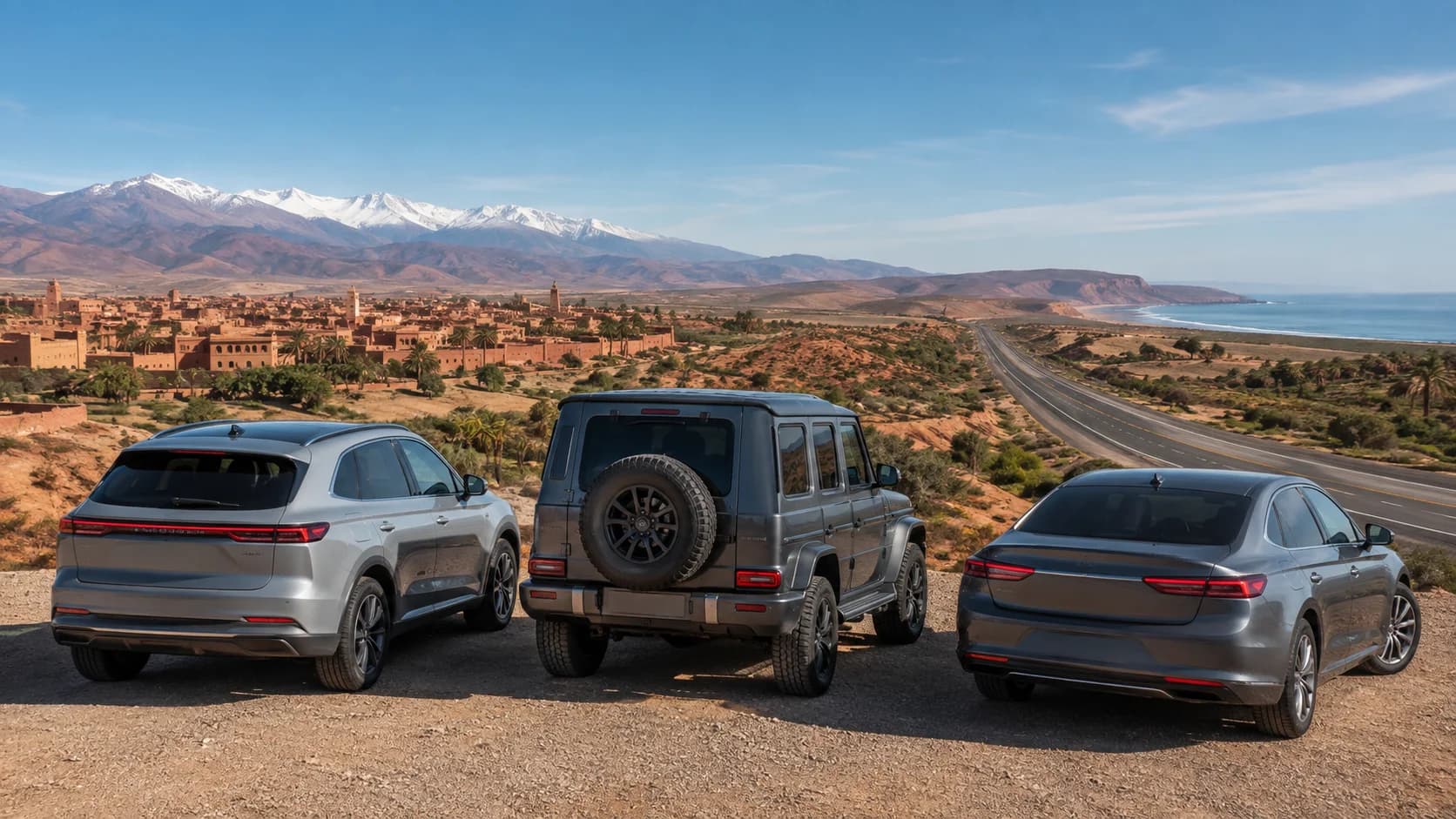





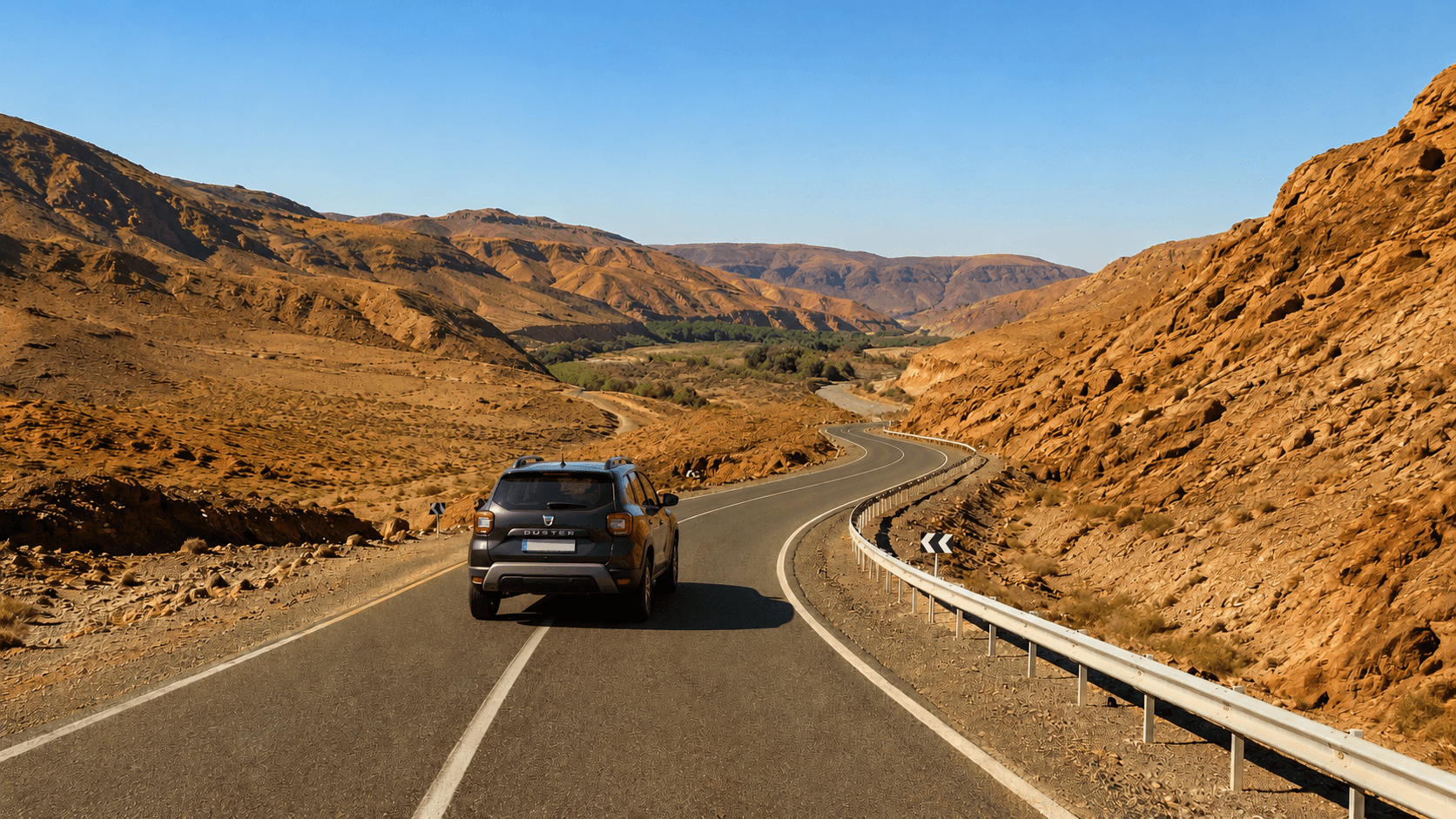
Driving in Morocco is one of the best ways to experience the country beyond the usual tourist routes. From Atlantic coast roads and mountain passes to desert highways and hidden villages, having your own car gives you freedom that trains and tours simply cannot match.
But before renting a vehicle, many travelers ask the same questions:
- Is it safe to drive in Morocco?
- Are Moroccan roads difficult?
- Do tourists need an international driving permit?
- Is Marrakech traffic stressful?
- Should I rent a 4x4?
This complete guide explains everything tourists need to know about driving in Morocco in 2026, including road rules, police checks, mountain driving, navigation, insurance, and practical local advice from real road-trip experience.
Whether you are planning a short city escape or a full Morocco itinerary from Marrakech to the Sahara, this guide will help you drive more confidently and avoid common mistakes.
Is It Safe to Drive in Morocco?
The short answer is yes, for most tourists, driving in Morocco is generally safe and manageable.
However, Morocco drives differently from Europe, North America, or many parts of Asia. The biggest challenge is not usually road quality itself, but adapting to local driving behavior.
What Tourists Usually Notice First
When visitors first begin driving in Morocco, they often notice:
- More scooters and motorcycles
- Faster lane changes
- Heavy roundabout traffic
- Informal driving habits
- Frequent overtaking
- Horn use as communication
In cities like Marrakech or Casablanca, traffic can initially feel chaotic. But outside major urban areas, driving becomes much calmer and more relaxed.
The Good News
Road infrastructure in Morocco has improved dramatically over the last decade.
Today, Morocco has:
- Modern toll highways
- Good intercity roads
- Well-maintained tourist routes
- Expanding fuel station networks
- Increasingly clear signage
The highways between cities like:
- Marrakech
- Casablanca
- Rabat
- Tangier
- Agadir
are generally smooth and easy to drive.
The Main Risks
The biggest driving risks for tourists are usually:
- Aggressive overtaking from local drivers
- Night driving in rural areas
- Mountain roads without barriers
- Unexpected pedestrians or animals
- Scooters in busy cities
Driving calmly and defensively solves most problems.
For travelers wanting easier long-distance comfort, larger vehicles from dedicated SUV Rental Marrakech collections can make mountain and rural driving much more relaxed.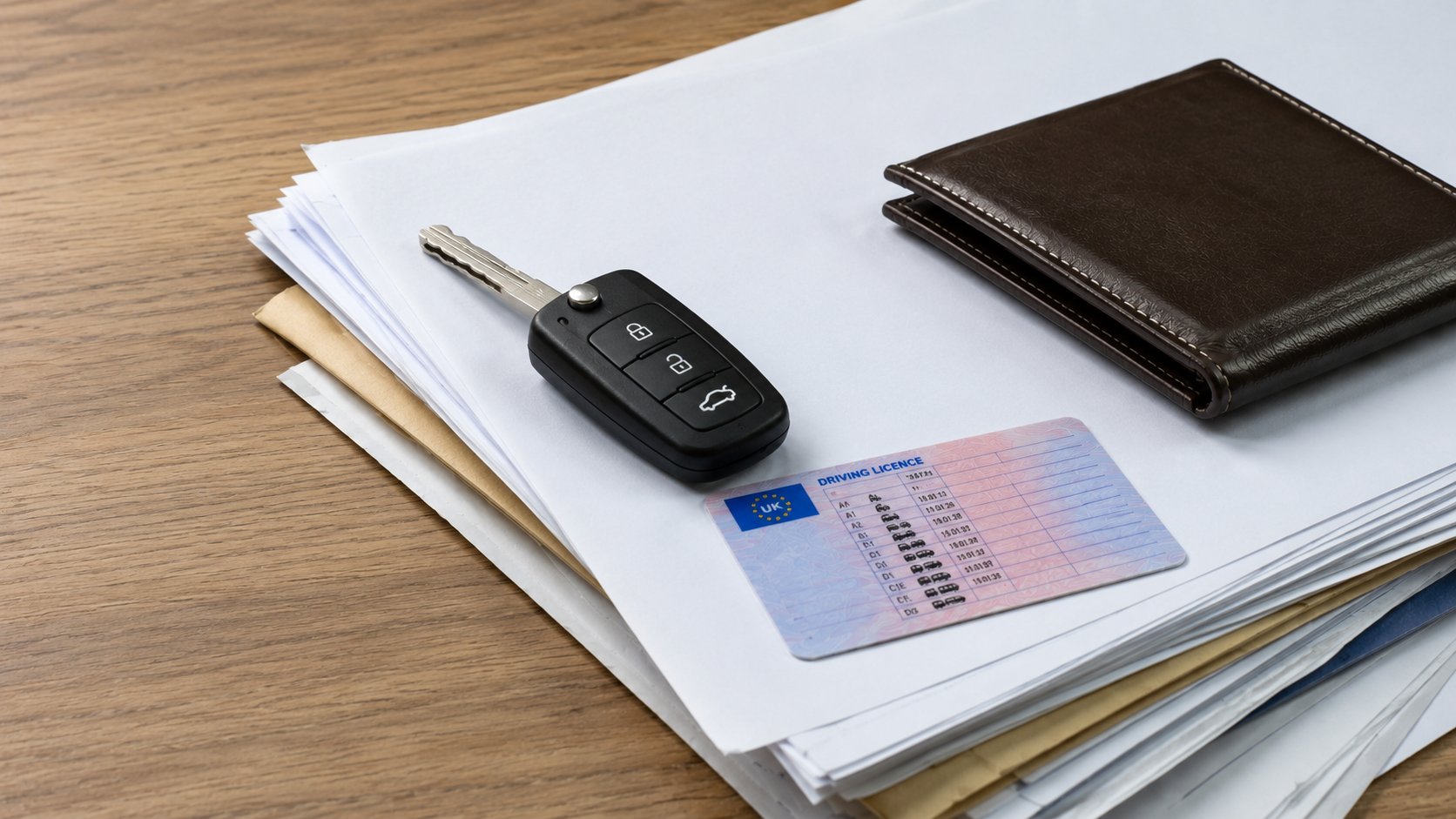
Driving Licence & Paperwork Requirements
One of the most searched topics around driving licence Morocco tourists is whether visitors can legally drive using their home license.
Can Tourists Drive in Morocco?
Yes. Most tourists can legally drive in Morocco using:
- A valid driving licence from their home country
- Their passport
- Entry documentation
For many nationalities, this is enough for short tourist stays.
International Driving Permit (IDP)
An International Driving Permit is not always mandatory, but it is highly recommended.
You should especially carry one if:
- Your licence is not written in Latin characters
- Your licence uses another alphabet
- You plan a longer road trip
- You want smoother police checks
Even when not legally required, an IDP can simplify communication.
Minimum Driving Age
Most car rental agencies require:
- Minimum age: 21
- Sometimes 23–25 for SUVs or luxury cars
Young driver fees may apply under age 25.
Documents You Should Always Carry
While driving, keep:
- Passport copy or original
- Driving licence
- Rental agreement
- Insurance papers
Police checkpoints are common in Morocco, especially between cities.
Which Side of the Road Does Morocco Drive On?
Morocco drives on the right-hand side of the road.
That means:
- Steering wheel usually on the left
- Overtaking on the left
- Roundabouts flow counterclockwise
For travelers from:
- Europe
- North America
- Most of mainland Europe
this usually feels familiar quickly.
Travelers from left-driving countries like the UK, Australia, or South Africa may need extra attention during the first day.
Key Moroccan Road Rules Tourists Should Know
Understanding a few local rules makes Morocco driving rules for tourists much easier.
Seat Belts Are Mandatory
Both front and rear passengers should wear seat belts.
Mobile Phone Use
Using a phone while driving is prohibited unless hands-free.
Drink Driving
Morocco has strict alcohol laws for drivers.
The safest approach:
- Never drink and drive at all
Priority Rules
Roundabouts can feel confusing initially because local driving habits vary slightly between regions.
Drive cautiously and do not assume every driver follows textbook priority rules perfectly.
Fuel Stations
Fuel stations are common on main routes and usually staffed.
You generally do not pump fuel yourself.
Understanding Moroccan Road Signs
Most Moroccan road signs use:
- French
- Arabic
- International road symbols
Tourists are often surprised by how understandable signs actually are.
Common French Terms
| French | Meaning |
|---|---|
| Sortie | Exit |
| Péage | Toll |
| Ralentir | Slow down |
| Danger | Warning |
| Déviation | Detour |
| Centre Ville | City center |
Even travelers who do not speak French usually adapt quickly.
Navigation Apps Work Well
Google Maps and Waze work reliably in most tourist areas.
However:
- Mountain routes can occasionally lose signal
- Medina streets can confuse GPS
- Rural shortcuts may be inaccurate
Offline maps are strongly recommended.
Morocco Road Conditions: What to Expect
One of the biggest misconceptions about Morocco road conditions is that roads are poor everywhere. That is no longer true.
Highways (Autoroutes)
Morocco's toll highways are generally excellent.
The roads between:
- Casablanca
- Rabat
- Tangier
- Marrakech
- Agadir
are modern and comfortable.
Advantages:
- Smooth pavement
- Clear signage
- Reliable fuel stations
- Easier driving experience
Tolls are paid at booths and usually inexpensive compared to Europe.
Mountain Roads
Atlas Mountain roads are stunning but require attention.
Expect:
- Sharp curves
- Steep drops
- Narrow sections
- Slow trucks
- Occasional fog or snow in winter
These roads are safe when driven slowly.
Travelers heading into deeper mountain regions often prefer vehicles from specialized 4x4 Rental Marrakech fleets for extra comfort and road confidence.
Rural Roads
Rural roads vary significantly.
Some are excellent. Others may include:
- Potholes
- Livestock crossings
- Uneven shoulders
- Limited lighting
Drive more cautiously outside major routes.
City Driving vs Open-Road Driving
The driving experience changes completely depending on location.
Driving in Marrakech
Marrakech is usually the most stressful part for first-time visitors.
Challenges include:
- Scooters everywhere
- Heavy traffic circles
- Sudden stopping
- Tight parking
- Medina edge congestion
The key is patience.
Do not try to “win” traffic situations. Drive calmly and predictably.
Casablanca Driving
Casablanca is faster and busier than Marrakech.
Expect:
- Denser traffic
- Faster lane changes
- More aggressive urban driving
Open-Road Morocco
Outside the cities, Morocco becomes dramatically easier.
Many tourists are surprised by how relaxing:
- Coastal roads
- Desert highways
- Atlas valley drives
can actually feel.
This is where renting a car truly becomes worthwhile.
For budget-conscious travelers planning longer itineraries, browsing affordable options on the Cheap Car Rental Marrakech page can help reduce overall trip costs.
Speed Limits, Radar & Police Checks
Morocco takes road enforcement seriously.
Standard Speed Limits
Typical limits are:
| Road Type | Speed Limit |
|---|---|
| City areas | 40–60 km/h |
| Open roads | 80–100 km/h |
| Highways | 120 km/h |
Always watch local signs because limits change frequently.
Speed Cameras
Radar enforcement is common throughout Morocco.
You may encounter:
- Fixed cameras
- Mobile radar
- Police speed checks
Tourists are frequently stopped for speeding.
Police Checkpoints
Police checkpoints are extremely common and usually routine.
Officers may ask for:
- Passport
- Licence
- Rental documents
Remain polite and calm.
Most interactions are straightforward and professional.
According to official international travel guidance from UK Government Travel Advice – Morocco, tourists should carry identification and comply fully with local traffic regulations while driving in Morocco.
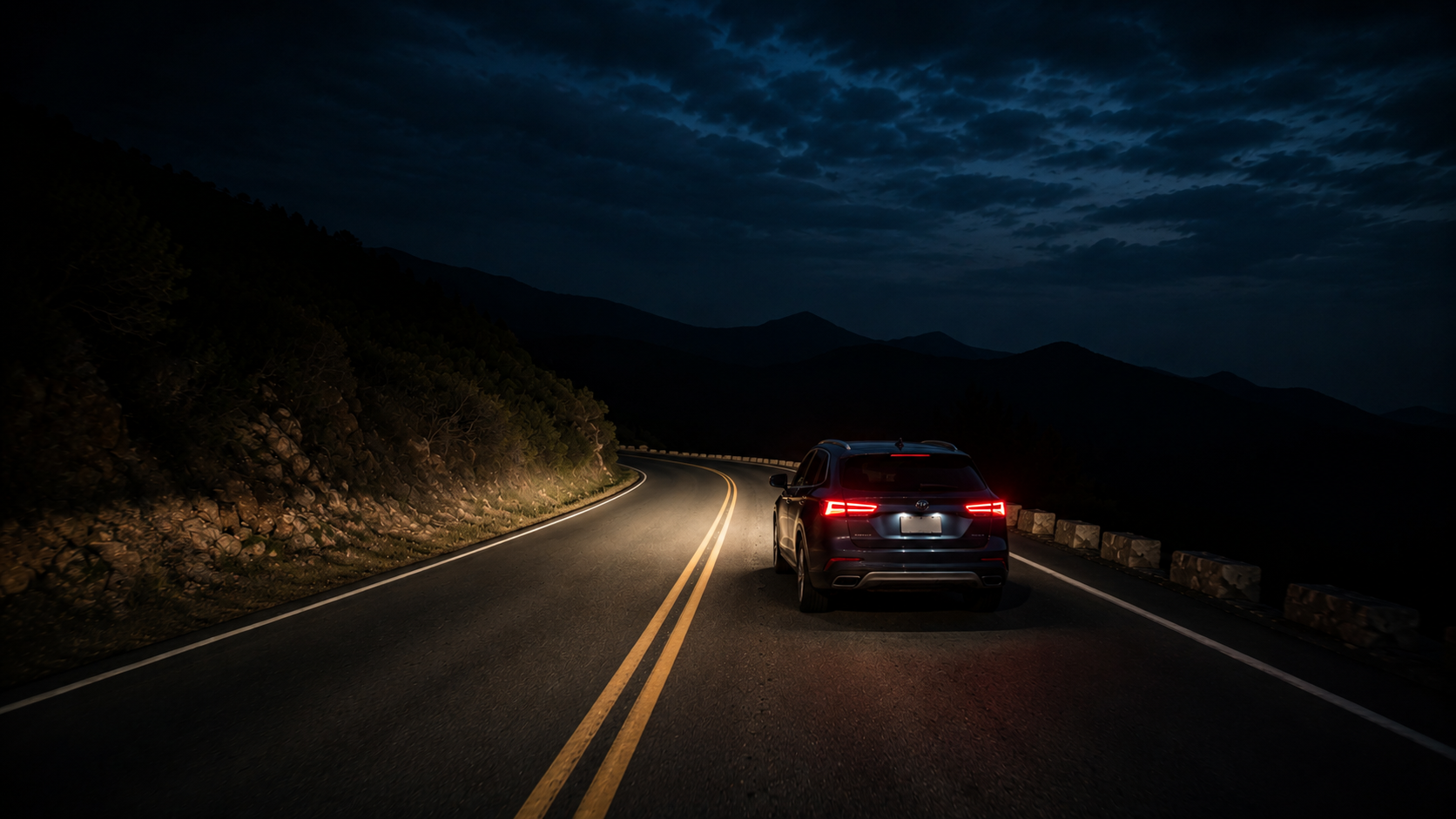
Night Driving: What Tourists Should Avoid
If possible, avoid long-distance rural driving after dark.
Why Night Driving Is Harder
At night you may encounter:
- Poor lighting
- Unmarked vehicles
- Animals on roads
- Pedestrians without reflective clothing
- Unexpected road conditions
Mountain roads become significantly more difficult after sunset.
Best Strategy
Plan routes so you arrive before dark whenever possible.
This is especially important for:
- Atlas Mountains
- Rural villages
- Desert roads
City driving at night is generally manageable, but parking can become harder.
Renting a Car vs Hiring a Driver
Not every traveler should necessarily drive themselves.
Renting a Car Is Best For:
- Independent travelers
- Couples
- Families
- Flexible itineraries
- Road-trip lovers
- Travelers visiting multiple cities
You gain:
- Full schedule freedom
- Lower long-term costs
- Easier luggage handling
- Access to remote places
Hiring a Driver Is Better For:
- Luxury travelers
- Short trips
- Nervous drivers
- Large groups
- Travelers wanting zero stress
Drivers are particularly useful for:
- Multi-day desert tours
- Corporate travel
- VIP itineraries
Honest Reality
Most tourists who feel nervous before arriving usually adapt to Moroccan driving surprisingly quickly after the first day.
Practical Driving Kit for Morocco
Small preparation makes a huge difference.
Essentials to Carry
Navigation
- Google Maps
- Waze
- Offline maps backup
Water
Always carry bottled water, especially on:
- Desert routes
- Summer trips
- Long mountain drives
Cash
Useful for:
- Tolls
- Parking
- Fuel tips
- Rural cafés
Phone Charger
A car charger is essential for navigation-heavy trips.
Emergency Contacts
Save:
- Rental agency WhatsApp
- Accommodation contacts
- Local emergency numbers
Sunglasses
Moroccan sunlight can be intense, especially in southern regions.
Should You Rent a Small Car, SUV or 4x4?
Vehicle choice depends entirely on your route.
Small Economy Cars
Best for:
- Cities
- Budget travel
- Couples
- Highway driving
Advantages:
- Easier parking
- Lower fuel costs
- Cheaper rental rates
SUVs
Best for:
- Families
- Longer trips
- Atlas Mountains
- Comfort-focused travel
Advantages:
- Better visibility
- More luggage space
- More comfort on rougher roads
4x4 Vehicles
Useful mainly for:
- Remote desert regions
- Rural mountain tracks
- Adventure itineraries
For most tourists staying on paved roads, a standard SUV is usually enough.
Final Thoughts: Is Driving in Morocco Worth It?
For travelers wanting to experience the real Morocco beyond hotels and organized tours, driving is absolutely worth it.
The freedom to:
- Stop in mountain villages
- Explore coastal roads
- Visit hidden cafés
- Change plans spontaneously
creates a much richer travel experience.
Yes, Moroccan traffic can initially feel intense (especially in Marrakech) but most tourists adjust quickly.
The key is simple:
- Drive defensively
- Avoid rushing
- Stay patient
- Avoid unnecessary night driving
Once outside the cities, Morocco becomes one of the most rewarding road-trip destinations in North Africa.
Frequently Asked Questions
Is driving in Morocco safe for tourists?
Yes. Most tourists drive safely in Morocco every year. The biggest challenges are busy city traffic and adapting to local driving habits.
Can I use my home driving licence in Morocco?
Usually yes. Most tourists can drive using their domestic licence, though carrying an International Driving Permit is recommended.
Which side of the road do they drive on?
Morocco drives on the right-hand side of the road.
Are Moroccan roads in good condition?
Major highways and tourist routes are generally very good. Rural and mountain roads vary more but are usually manageable.
Is it hard to drive in Marrakech?
Marrakech can feel stressful initially because of scooters, traffic circles, and congestion. Most tourists adapt after some practice.
Should I rent a car or hire a driver?
Renting works best for independent travelers wanting flexibility. Hiring a driver is better for travelers seeking maximum comfort and less stress.
Are there many police checks?
Yes. Police checkpoints are common across Morocco, especially between cities. They are usually routine and straightforward.
Do I need a 4x4 to explore Morocco?
Not for most tourist routes. A regular car or SUV is enough for the majority of paved roads and popular destinations.
Explore Morocco at Your Own Pace
Ready to experience Morocco beyond the usual tourist route?
MarHire Car Marrakech offers:
- New models
- Full insurance included
- Unlimited kilometers
- Flexible pickup options
- Comfortable SUVs and 4x4s for road trips
Start planning your Morocco road trip today with affordable vehicles built for real travel conditions.