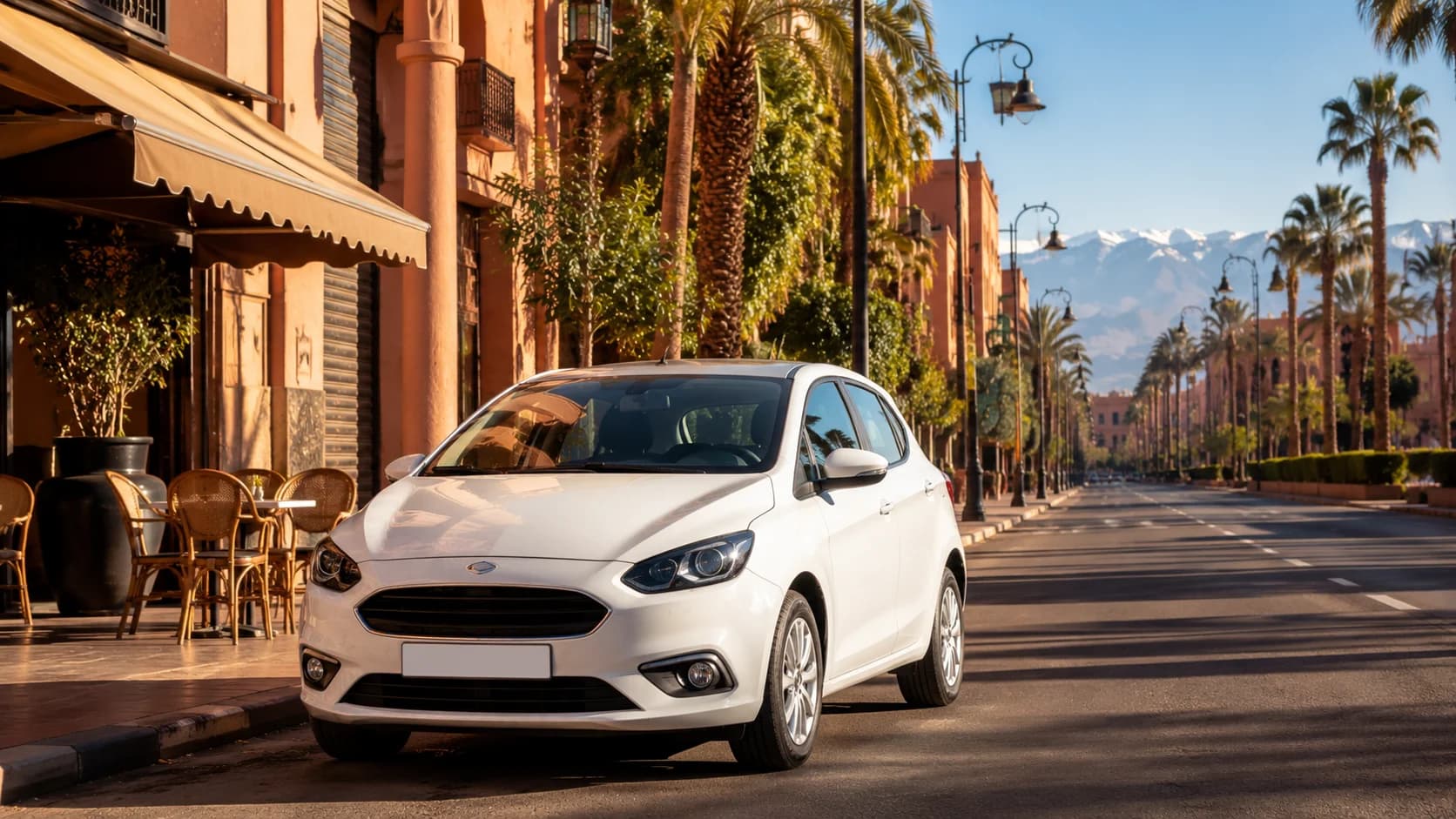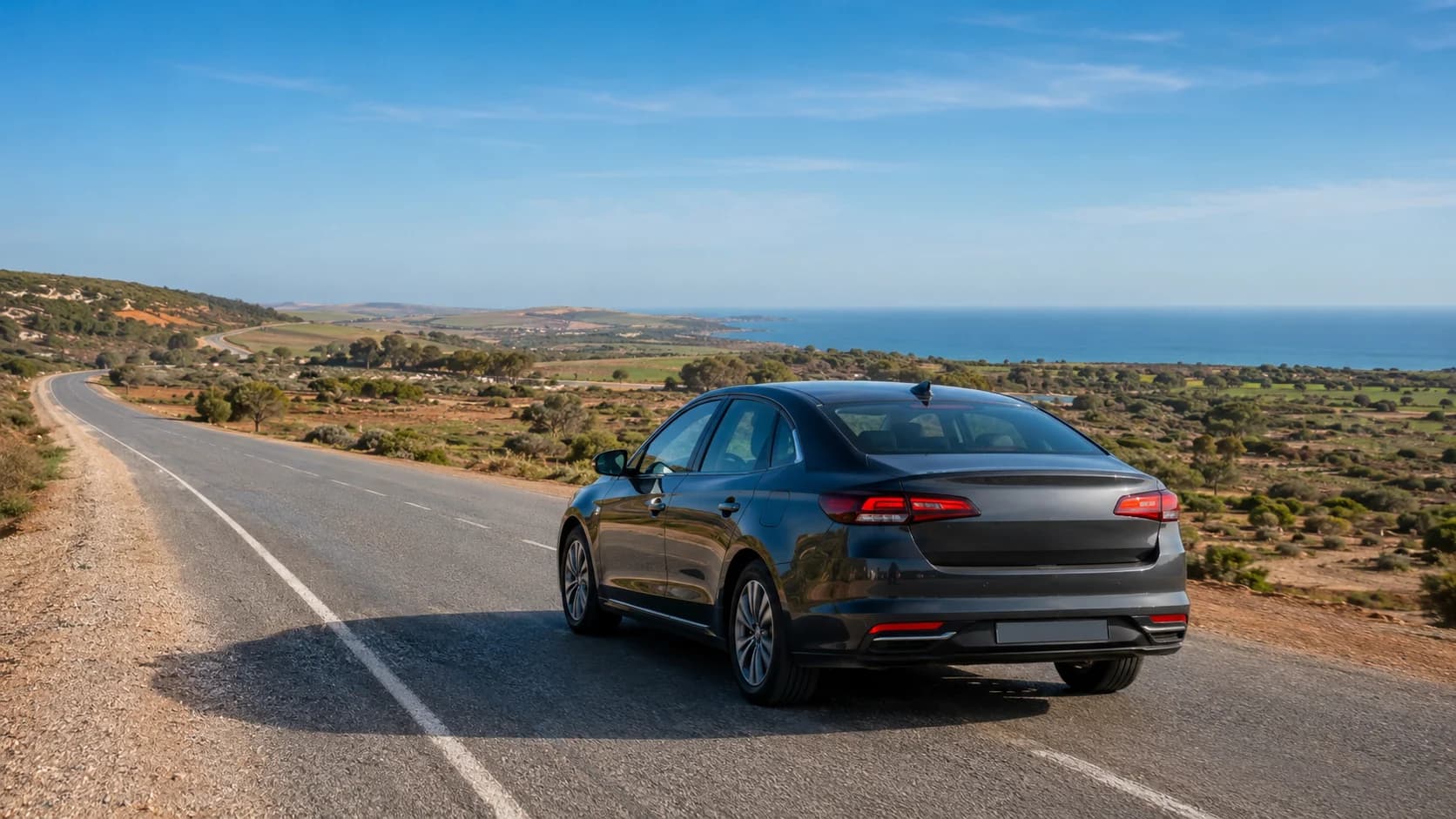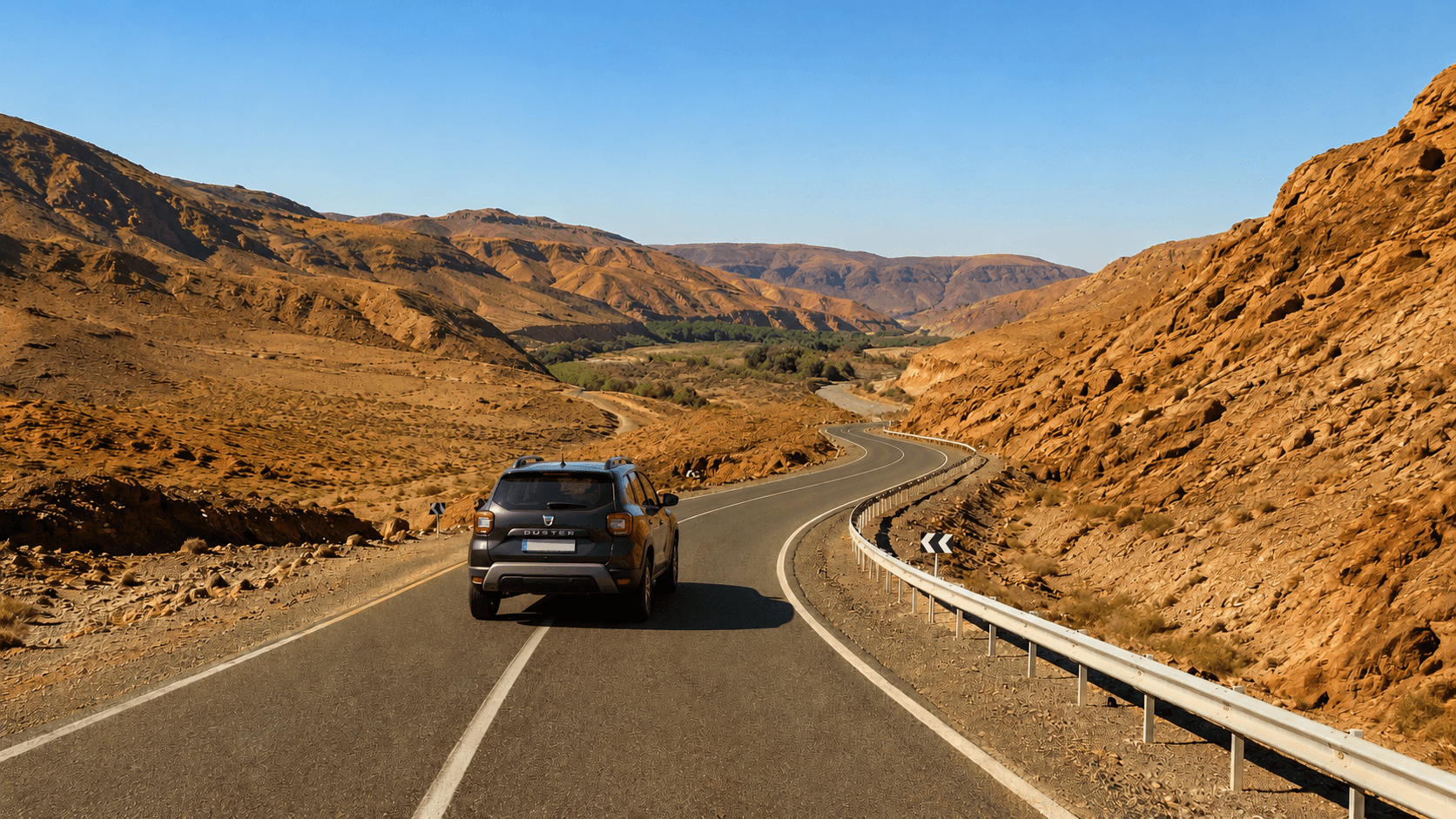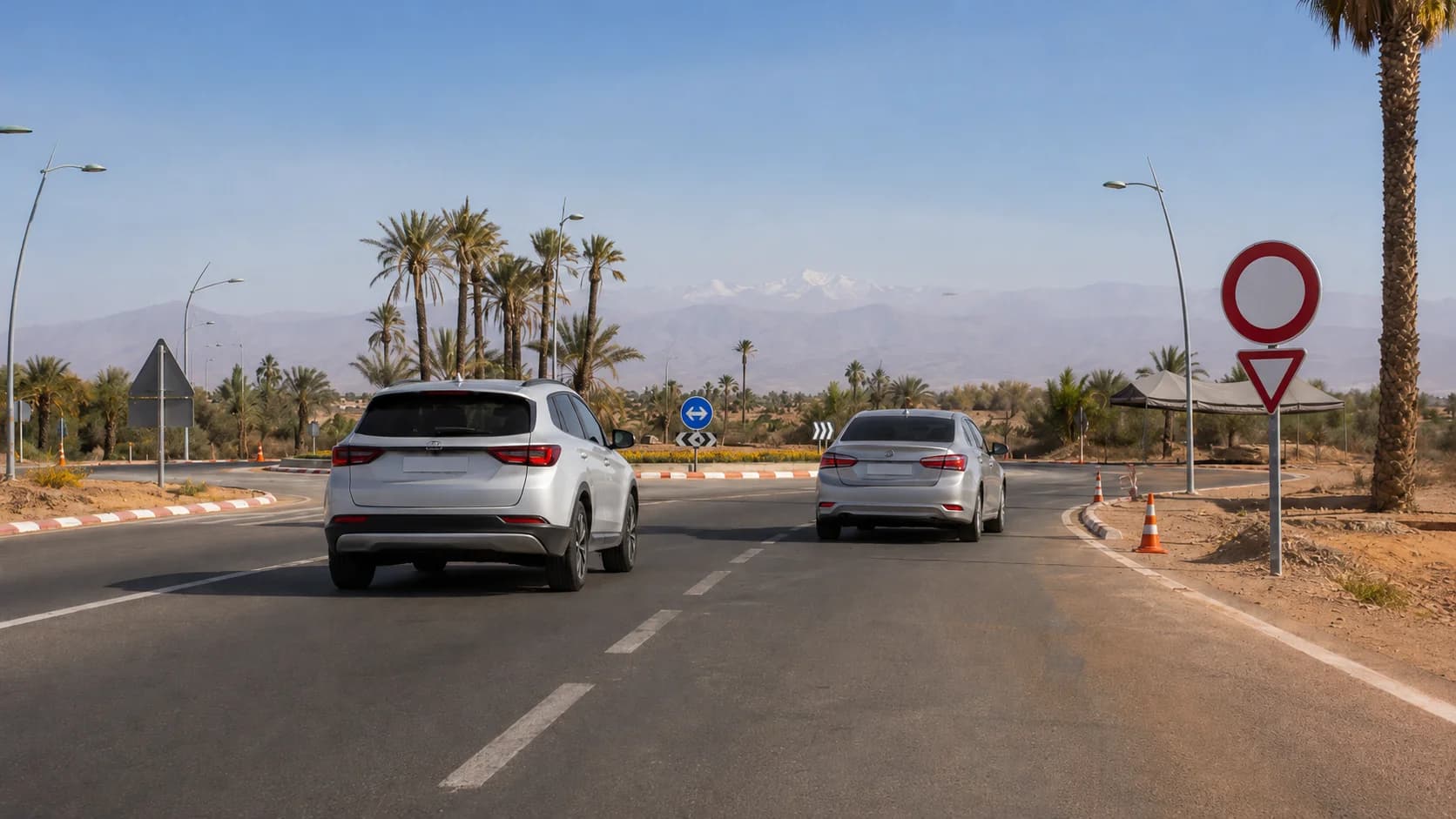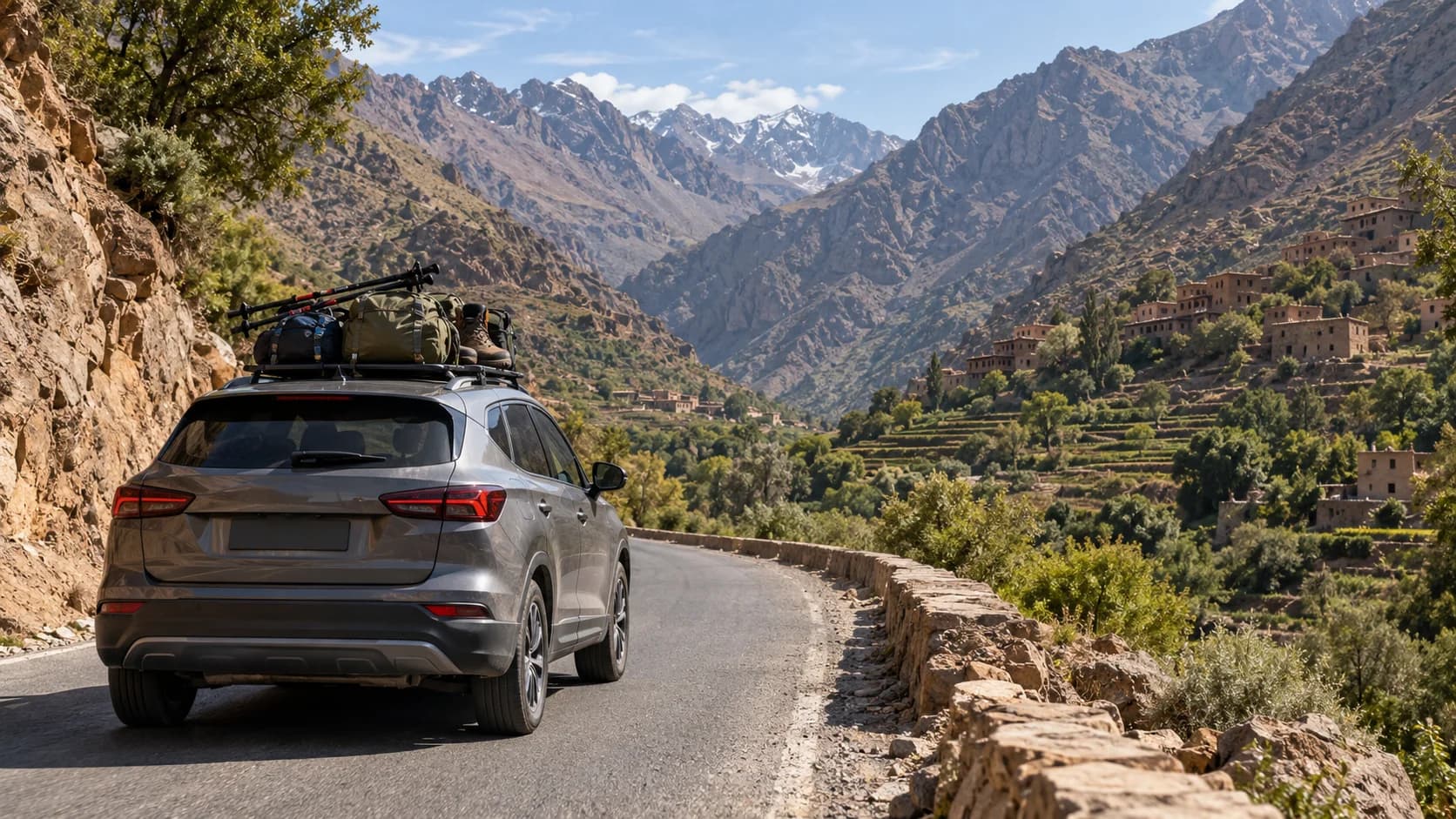


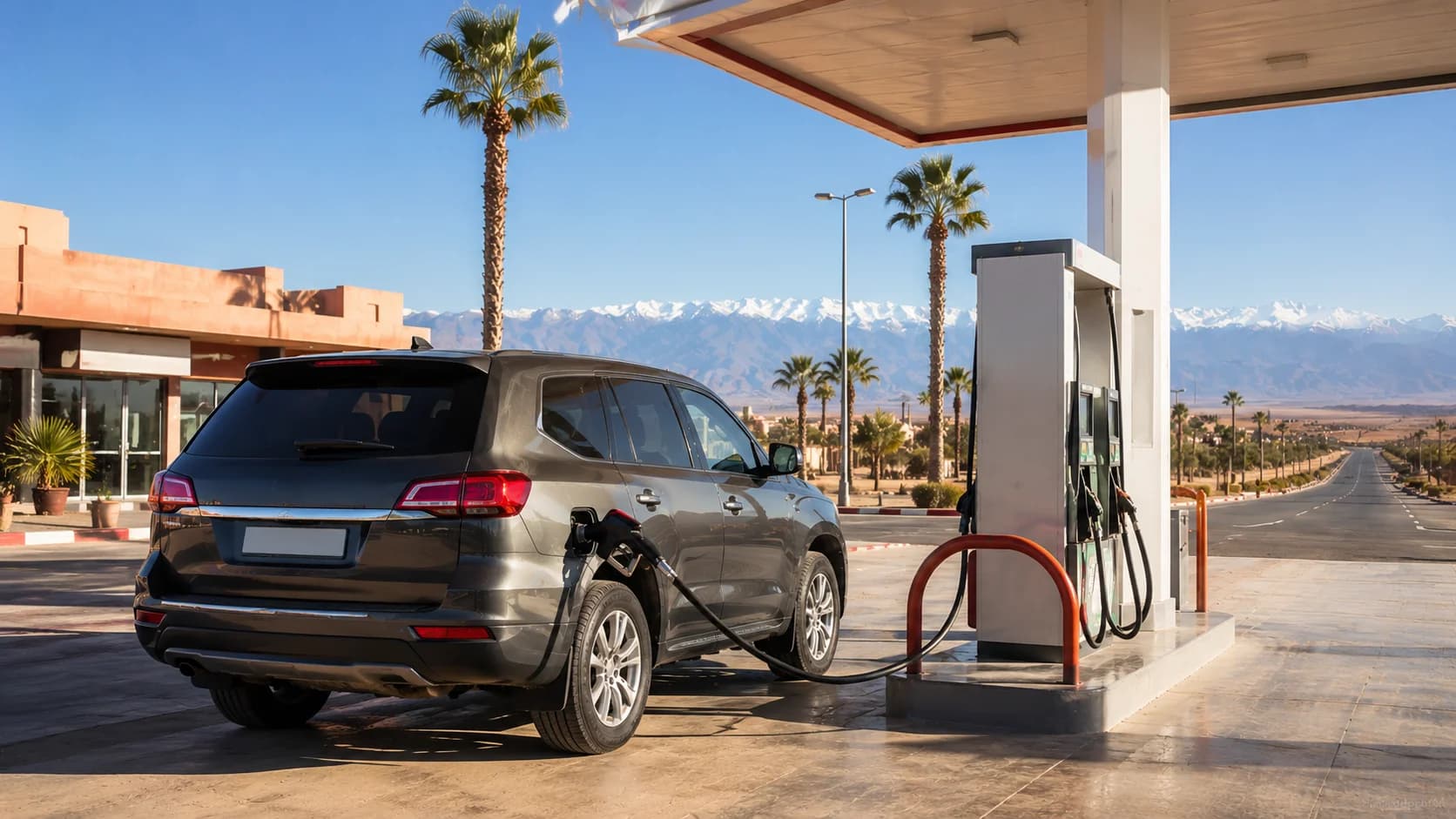
If you're planning to rent a car in Marrakech and explore beyond the city, understanding fuel costs and where to find petrol stations can make your trip much easier. Whether you're heading to Agafay, crossing the Atlas Mountains, driving to Essaouira, or starting a Sahara adventure toward Merzouga, fuel planning is part of a successful Morocco road trip.
Fortunately, fuel stations are common around Marrakech and on most major highways. However, once you leave the city and head into mountain or desert regions, distances between stations become longer and planning becomes more important.
This guide explains fuel prices, diesel versus petrol, payment methods, station facilities, and practical fuel-saving tips for travelers driving in Morocco.
Petrol vs. Diesel in Marrakech: Which Rental Car Should You Choose?
One of the first decisions when choosing a rental vehicle is whether to select a petrol or diesel model.
Petrol Cars
Petrol vehicles are common among compact city cars and economy rentals.
Advantages include:
- Lower rental rates in some categories.
- Quieter engines.
- Good for short city-based trips.
- Suitable for travelers staying mostly around Marrakech.
Petrol cars are often ideal for visitors who plan to remain within Marrakech or make only short day trips.
Diesel Cars
Diesel remains extremely popular in Morocco.
Advantages include:
- Better fuel economy.
- Longer driving range.
- Lower fuel consumption on highways.
- Excellent choice for mountain and desert routes.
If you're planning longer drives toward Ouarzazate, Dades Valley, Todra Gorge, Merzouga, or the Sahara, diesel vehicles usually offer significant fuel savings.
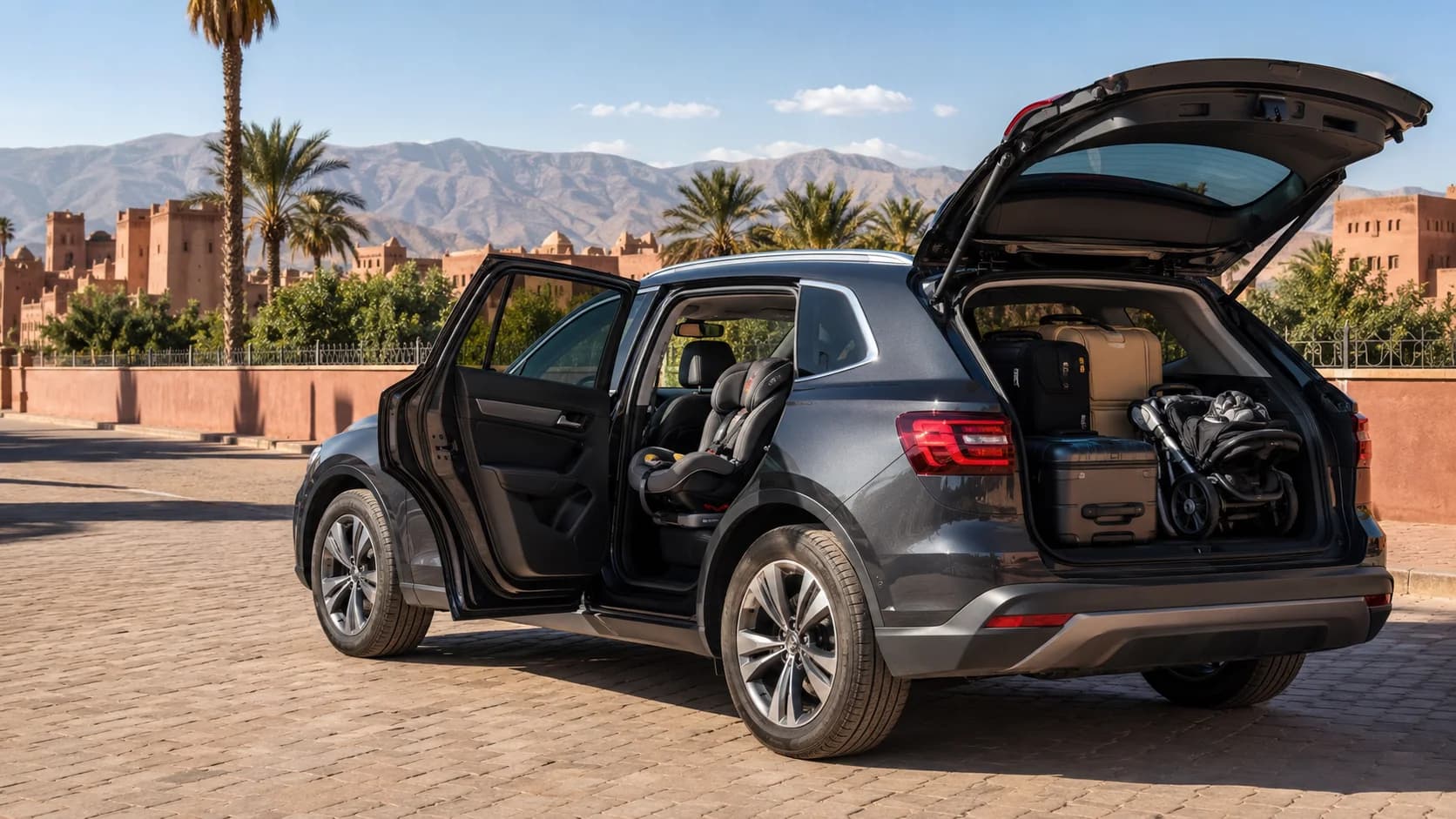
Travelers heading into mountain or desert regions often prefer larger vehicles from the SUV category.
For longer road trips, consider browsing:
SUV Rental Marrakech
Drivers planning rougher terrain or remote routes may also prefer:
4x4 Rental Marrakech
Typical Fuel Prices in Marrakech and Why They Change
Fuel prices in Morocco fluctuate throughout the year based on international oil markets, transportation costs, and local economic conditions.
As a general rule:
- Diesel is usually slightly cheaper than petrol.
- Prices can change several times during the year.
- Major city stations often have similar pricing.
- Highway stations may be marginally more expensive.
The difference between stations is usually small enough that convenience matters more than hunting for the absolute cheapest pump.
For tourists, the biggest cost difference usually comes from vehicle choice rather than finding a slightly cheaper station.
Choosing a fuel-efficient diesel SUV can save far more money than driving a larger petrol vehicle over the same distance.
Major Fuel Brands You Will See Around Marrakech
Several national and international fuel brands operate throughout Morocco.
The most common brands include:
Afriquia
The largest fuel network in Morocco.
You'll find Afriquia stations:
- Throughout Marrakech.
- On highways.
- Near major tourist routes.
- Along many desert-bound roads.
TotalEnergies
A familiar international brand with stations across Morocco.
Popular among tourists because stations often include:
- Clean facilities.
- Convenience stores.
- Cafés.
- Card payment options.
Shell
Present in many areas around Marrakech and major travel corridors.
Petrom
A growing Moroccan network frequently found along regional roads.
Winxo
Another widely available local brand serving urban and rural areas.
Most travelers simply stop at whichever reputable station is most convenient.
Finding Petrol Stations in Marrakech City vs. Outside Routes
Inside Marrakech
Finding fuel inside the city is easy.
Stations are common near:
- Major boulevards.
- Airport access roads.
- Gueliz.
- Hivernage.
- Route de Casablanca.
- Route de l'Ourika.
You rarely need to worry about fuel shortages while remaining in Marrakech.
Outside Marrakech
Once you begin driving toward:
- Agafay Desert.
- Ourika Valley.
- Imlil.
- Ouarzazate.
- Merzouga.
stations become less frequent.
Main roads generally have reliable fuel access, but remote mountain and desert areas may have significant gaps between stations.
This is why experienced Morocco drivers follow a simple rule.
The “Fill Up Before Leaving Marrakech” Rule
Ask almost any local driver and you'll hear the same advice:
Fill up before leaving Marrakech.
Even if your fuel tank is half full, topping up before departure offers peace of mind.
This becomes especially important for:
- Agafay excursions.
- Atlas Mountain drives.
- Ouarzazate routes.
- Sahara road trips.
Reasons include:
- Better station availability.
- Competitive city pricing.
- Cleaner and larger service stations.
- Reduced stress in remote areas.
The further south and east you travel, the more useful this habit becomes.
For many travelers, the best strategy is:
- Refuel the evening before departure.
- Check tire pressure.
- Start the journey with a full tank.
Paying for Fuel: Cash, Card and Tipping Attendants
Cash Payments
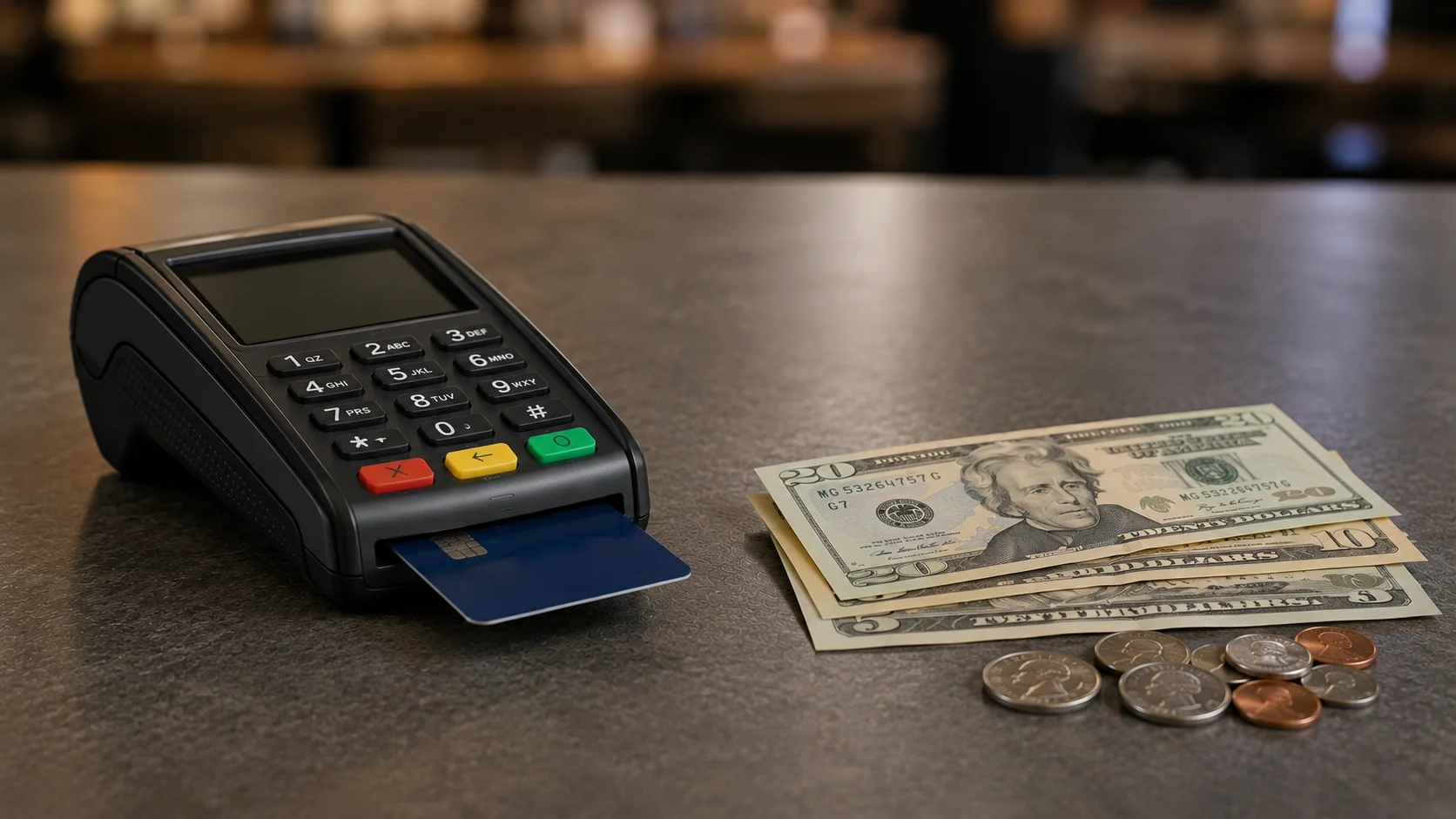
Cash remains widely accepted everywhere.
Most stations accept:
- Moroccan Dirhams.
- Small and large notes.
Keeping some cash available is always a good idea, especially outside major cities.
Card Payments
Many modern stations accept:
- Visa.
- Mastercard.
- Contactless payments.
However, card terminals occasionally experience connectivity issues in remote regions.
For that reason, carrying backup cash is recommended.
Fuel Attendants
Unlike some countries, Moroccan fuel stations usually have attendants who pump the fuel for you.
The process is simple:
- Pull up to the pump.
- Tell the attendant the amount or ask for a full tank.
- Stay in the vehicle or step out.
- Pay after fueling.
Should You Tip?
Tipping is not mandatory.
However, many travelers leave a small tip if:
- The attendant cleans the windshield.
- Provides directions.
- Offers extra assistance.
A small amount is generally appreciated but never required.
Fuel Range Planning for Agafay, Atlas and Sahara Routes
Understanding approximate fuel needs helps avoid unnecessary stops.
Marrakech to Agafay
Distance is relatively short.
Most vehicles can complete the round trip using only a small portion of a tank.
Fuel planning is rarely a concern.
Marrakech to Atlas Mountains
Routes toward:
- Ourika Valley.
- Asni.
- Imlil.
- Oukaimeden.
include elevation changes and mountain roads.
Fuel consumption rises slightly during climbs, especially in larger SUVs.
A full tank from Marrakech is usually more than sufficient.
Marrakech to Ouarzazate
One of Morocco's most popular drives.
Fuel stations exist along the route, but filling up in Marrakech remains the smartest option.
Marrakech to Merzouga and the Sahara
This is where fuel planning becomes important.
The journey covers several hundred kilometers and often spans multiple days.
Good practice includes:
- Starting with a full tank.
- Refueling whenever convenient.
- Avoiding unnecessary risks below one-quarter tank.
Remote sections can have longer gaps between reliable stations.
Stations with Toilets, Snacks, Cafés and Prayer Rooms
Modern Moroccan fuel stations often function as travel service centers.
Many larger stations include:
Toilets
Usually available at major stations.
Facilities are often cleaner at larger brands.
Convenience Stores
Perfect for:
- Water.
- Snacks.
- Soft drinks.
- Travel essentials.
Cafés
Many stations feature cafés serving:
- Coffee.
- Tea.
- Sandwiches.
- Pastries.
Prayer Rooms
Several larger stations offer dedicated prayer facilities for travelers.
This is especially common on major intercity routes.
For long drives across Morocco, these stations become useful rest stops rather than simply places to buy fuel.
What to Do If You're Running Low Outside Marrakech
Running low on fuel can happen unexpectedly.
If your fuel warning light appears:
Stay Calm
Major roads usually have stations within reach.
Use Navigation Apps
Google Maps often displays nearby stations.
Search terms include:
- Petrol station.
- Fuel station.
- Gas station.
Ask Locals
Moroccans are generally helpful and often know exactly where the nearest station is located.
Refuel Early
Avoid waiting until the tank is nearly empty.
A good rule is to refuel when reaching one-quarter tank during remote journeys.
This simple habit eliminates most fuel-related problems.
Fuel-Efficiency Tips for Driving from Marrakech
Fuel savings become more noticeable on longer routes.
Drive Smoothly
Avoid:
- Hard acceleration.
- Sudden braking.
- High-speed bursts.
Smooth driving improves consumption significantly.
Check Tire Pressure
Underinflated tires increase fuel use.
Many stations provide air pumps for quick adjustments.
Travel Light
Excess luggage adds weight and increases consumption.
Use Cruise-Like Highway Speeds
Moderate speeds often provide the best fuel economy.
Choose the Right Vehicle
One of the biggest factors affecting fuel cost is selecting a vehicle suited to your trip.
Economy travelers can reduce costs by choosing:
Cheap Car Rental Marrakech
Meanwhile, travelers covering long distances often benefit from fuel-efficient diesel SUVs or 4x4 vehicles.
Conclusion
Fuel planning in Marrakech is generally straightforward. The city has excellent station coverage, multiple fuel brands, and modern facilities that make driving around Morocco easy for tourists.
The key takeaway is simple: fill up before leaving Marrakech, especially if you're heading toward Agafay, the Atlas Mountains, Ouarzazate, or the Sahara. A full tank, a suitable vehicle, and a little route planning can make your Morocco road trip far more comfortable and stress-free.
Whether you're renting a compact city car, a diesel SUV, or a capable 4x4, understanding fuel costs and station availability helps you spend less time worrying about the gauge and more time enjoying the journey.
Frequently Asked Questions
How much does fuel cost in Marrakech?
Fuel prices vary throughout the year. Diesel is typically slightly cheaper than petrol, and prices generally remain similar across major stations in Marrakech.
Should I rent a diesel or petrol car in Marrakech?
Diesel is usually the better option for long-distance travel and desert routes. Petrol vehicles work well for city-based stays and shorter trips.
Are petrol stations easy to find in Marrakech?
Yes. Marrakech has extensive fuel station coverage, particularly around major roads, airport routes, and city entrances.
Where should I fill up before driving from Marrakech to the Sahara?
The best approach is to fill your tank completely before leaving Marrakech. City stations are plentiful and reliable.
Can I pay for fuel by card in Marrakech?
Many stations accept card payments, but carrying cash is recommended as a backup, particularly on remote routes.
Do I tip the fuel attendant in Marrakech?
Tipping is optional. A small tip may be appreciated for additional assistance but is not expected.
Heading Toward the Atlas Mountains or the Sahara?
MarHire Car Marrakech offers economical diesel SUVs and capable 4x4 rentals with unlimited kilometers, making it easier to explore Agafay, the Atlas Mountains, Ouarzazate, and Morocco's desert regions without constantly worrying about fuel consumption. Choose the right vehicle for your route and enjoy the freedom of the open road.